
The Economics Behind Pay-Per-View Pricing

Understanding the Cost Structure of PPV Events
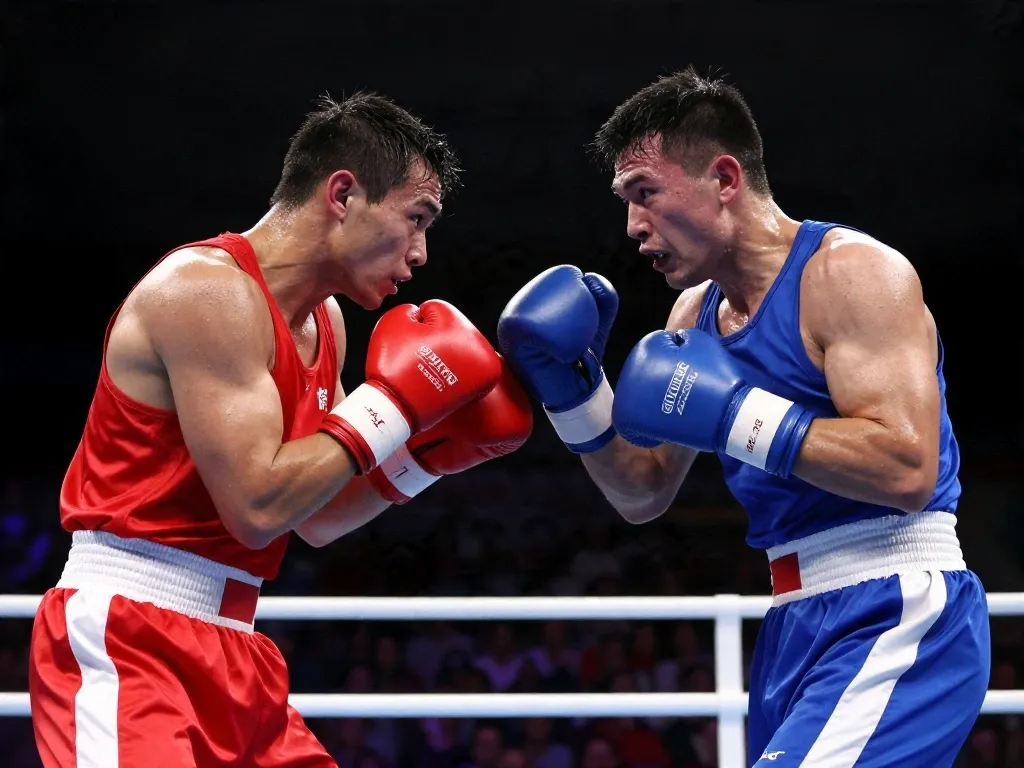
Pay-Per-View (PPV) boxing events have become a significant revenue stream for promoters and networks alike. The cost structure is multifaceted, encompassing various expenses that contribute to the final price of the event. Key components include fighter purses, venue costs, production expenses, and promotional costs, which can add up to millions of dollars.
For instance, the highly publicized bout between Floyd Mayweather Jr. and Manny Pacquiao in 2015 reportedly cost around $400 million to promote, including fighter payouts. This staggering amount illustrates how deep-pocketed investments are necessary to ensure a high-quality viewing experience, as well as the expectation of high pay-per-view sales to recoup these costs.
Factors Influencing Pricing Decisions
Several factors influence the pricing decisions for PPV events. One of the most significant is the market demand for the fight, which can fluctuate based on the fighters involved, the stakes of the match, and even the timing of the event. For example, a championship fight featuring a well-known boxer is likely to command a higher PPV price compared to a less publicized undercard bout.
Moreover, the competitive landscape of PPV pricing plays a crucial role. As streaming services and alternative viewing options proliferate, promoters must balance their pricing to remain appealing while covering costs. The introduction of tiered pricing models and promotional discounts has become common to attract a broader audience.
The Role of Promoters in Setting Prices
Promoters are pivotal in setting PPV prices, leveraging their understanding of the market and the fighters' appeal. They analyze various data points, including historical sales data, to determine the optimal price point that maximizes revenue while minimizing the risk of losing viewers. For example, during the buildup to Canelo Alvarez vs. Gennady Golovkin II, the promoters adjusted the PPV price based on previous fight outcomes and audience engagement metrics.
As a result, fans are often surprised by the final PPV price, which may not always align with their expectations based on previous events. This disconnect can lead to confusion regarding the perceived value of the fight versus its actual cost.
Demand Fluctuations and Viewer Expectations
How Anticipation Affects Purchase Decisions
Anticipation significantly influences viewer purchase decisions regarding PPV events. When a fight is highly anticipated, fans are more willing to pay a premium price. For instance, the buildup to the Mayweather vs. Pacquiao fight generated immense buzz, leading to a record-breaking 4.6 million buys at a price of $99.95, resulting in over $400 million in revenue.
Conversely, when a fight lacks the same level of hype, the demand can drop sharply, leading to lower-than-expected sales. For example, the PPV for the bout between Deontay Wilder and Tyson Fury II, despite being a highly competitive match, did not generate the same excitement as their previous encounter, affecting the sales figures despite a similar pricing strategy.
Unexpected Match Outcomes and Viewer Reactions
Unexpected outcomes can also dramatically impact PPV margins. If a highly anticipated fight ends in a quick knockout or an unexpected decision, viewer satisfaction may decline, leading to negative perceptions about the value of the PPV. Take, for example, the fight between Anthony Joshua and Andy Ruiz Jr., where Ruiz scored a shocking upset victory. While the initial sales may have been strong, the unexpected outcome led to mixed reactions, which can affect future sales for both fighters.
Analyzing Historical Trends in Pay-Per-View Sales
Analyzing historical trends in PPV sales reveals patterns that can surprise fans and analysts alike. For instance, the sales figures for rematches often differ significantly from their predecessors. The rematch between Canelo Alvarez and Gennady Golovkin saw a stark decline in buys compared to their first encounter, despite similar promotional efforts and pricing strategies.
Additionally, fluctuations in the boxing landscape, such as the rise of social media influencers entering the boxing realm, have disrupted traditional PPV sales dynamics. The PPV event featuring YouTube star Logan Paul against KSI garnered significant attention and sales, highlighting how unexpected market entrants can reshape viewer expectations and influence pricing strategies.
The Impact of Fighter Popularity on Margins
Star Power and Its Influence on Revenue
Fighter popularity is one of the most critical factors affecting PPV margins. Stars like Canelo Alvarez and Floyd Mayweather Jr. have consistently drawn large audiences, allowing promoters to set higher prices. For instance, Mayweather's fights often command prices exceeding $100, yet his bouts frequently generate millions of buys due to his established fan base.
In contrast, lesser-known fighters may struggle to attract similar interest, even with competitive pricing. For example, the PPV fight between Terence Crawford and Errol Spence Jr. struggled to reach anticipated sales figures, despite being a highly skilled matchup, largely due to the lower profile of the fighters involved.
Emerging Fighters vs. Established Champions
Emerging fighters face significant hurdles in achieving the same PPV margins as established champions. While up-and-coming boxers may offer thrilling matches, they often lack the star power necessary to drive sales. For instance, the PPV for a fight featuring Ryan Garcia, while showing promise, still fell short of the astronomical figures generated by seasoned champions like Mayweather or Pacquiao.
This disparity emphasizes the challenge for promoters in cultivating new talent while simultaneously maximizing revenue from established stars, often leading to surprising margins that do not align with the hype surrounding the event.
Regional Popularity and Its Effects on Sales
Regional popularity can also play a significant role in determining the success of a PPV event. Fighters with strong local followings can drive higher sales in their home regions. For example, Canelo Alvarez’s fights in Mexico consistently outperform those in other markets, where his appeal is less pronounced. A PPV fight featuring Alvarez in Las Vegas might generate millions in sales, but a similar event in a less favorable location could draw significantly fewer buys.
This regional disparity highlights the complexities of marketing and pricing strategies in boxing, as promoters must consider local fan bases and market conditions when establishing PPV prices.
Marketing Strategies and Their Outcomes
The Role of Promotions and Advertising
Effective promotions and advertising campaigns are vital in driving PPV sales. The use of traditional media, such as TV commercials and print ads, combined with modern digital marketing strategies, can significantly impact viewer interest. High-profile promotions, such as those utilized in the lead-up to Mayweather vs. McGregor, showcased how well-executed marketing strategies can create buzz and anticipation, resulting in record-breaking sales.
Conversely, insufficient marketing efforts can lead to disappointing sales figures, even for marquee matchups. For example, the PPV event featuring Deontay Wilder and Luis Ortiz II received less marketing focus compared to other major bouts, leading to lower sales margins due to diminished public awareness.
Social Media Influence on Pay-Per-View Sales
Social media has transformed the landscape of boxing promotions, allowing fighters and promoters to reach wider audiences with targeted campaigns. Fighters like Jake Paul have leveraged platforms like Instagram and Twitter to build hype and engage with fans directly, leading to significant PPV sales. The bout between Jake Paul and Ben Askren drew over 1.5 million buys, showcasing how effective social media marketing can create a substantial impact.
However, reliance on social media can also backfire, as not all promotional efforts resonate with fans, leading to mismatched expectations. For example, a heavily promoted fight may fail to deliver anticipated sales if the online engagement does not translate into actual purchases.
Collaborations and Cross-Promotions in Boxing
Collaborations and cross-promotions serve as powerful tools in enhancing PPV sales. Promoters often join forces to combine star power and market reach, as seen in the partnership between Top Rank and ESPN for major fights. These collaborations can lead to increased visibility and better pricing strategies, as they capitalize on both promoters' strengths to maximize revenue.
However, the effectiveness of these collaborations can vary. While the crossover between MMA and boxing has seen success in some instances, such as Conor McGregor’s boxing debut, not all joint promotions yield the expected results. The failed collaboration between various promoters for a potential mega-fight between stars often leads to mixed reactions from fans, highlighting the unpredictability of PPV margins.
Post-Event Analysis and Fan Reactions
Evaluating the Actual vs. Expected Profit Margins
Post-event analysis reveals discrepancies between expected and actual profit margins. Early projections often rely on pre-fight hype, social media engagement, and ticket sales, which can lead to inflated expectations. The fight between Canelo Alvarez and Billy Joe Saunders in 2021, for example, saw initial sales estimates that failed to materialize, ultimately resulting in lower profit margins than anticipated.
This gap can surprise fans and analysts alike, leading to questions about the effectiveness of promotional strategies and market demand. As a result, promoters must continuously reassess their approaches to pricing and marketing to better align their expectations with actual outcomes.
The Role of Fan Feedback in Future Events
Fan feedback plays a crucial role in shaping future PPV events. Viewer reactions, particularly regarding pricing and perceived value, can influence promoters’ decisions in subsequent events. For instance, the backlash against high PPV prices for certain fights can lead to changes in pricing strategies for future events, as seen after the backlash against the $79.99 price tag for the Floyd Mayweather vs. Logan Paul fight.
Promoters who actively engage with fans and consider their feedback can adapt more effectively to market demands, resulting in PPV margins that better reflect audience expectations.
Lessons Learned for Future Pay-Per-View Events
The boxing industry is constantly evolving, and lessons learned from past PPV events can inform future strategies. Understanding the dynamics of fighter popularity, regional appeal, and effective marketing tactics are crucial for maximizing PPV sales. Additionally, analyzing viewer feedback and sales data can help promoters make informed decisions regarding pricing and promotional efforts.
For example, the shift towards more accessible pricing models, such as the introduction of subscription-based services or tiered pricing, reflects the industry's response to changing viewer expectations. By adapting to market trends and audience preferences, promoters can create PPV events that not only meet but exceed fans' expectations, ultimately leading to more predictable margins.

Comments
No comments yet.
Leave a comment