
Understanding the Grand Tour Format
Stages and Their Importance
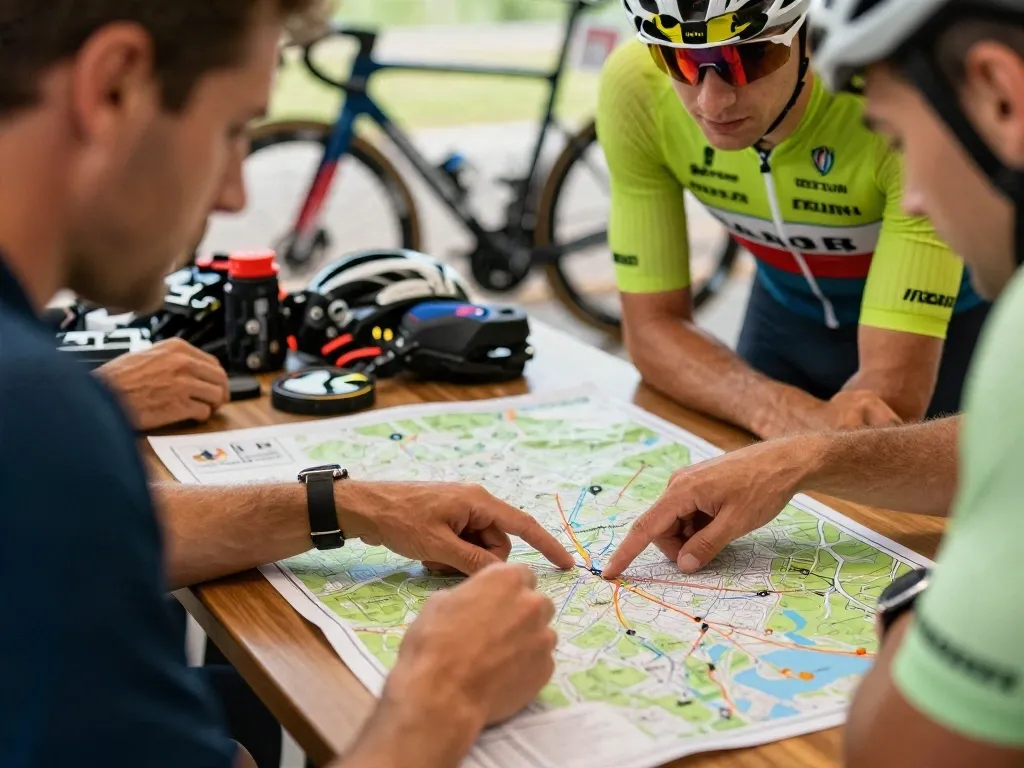
The Grand Tour format consists of multi-stage races that typically span three weeks. Events like the Tour de France, Giro d’Italia, and Vuelta a España feature a variety of stages, usually numbering between 18 to 22, each with specific characteristics that influence team strategy. These stages can be categorized into flat, hilly, and mountain stages, with each type presenting unique challenges and opportunities for teams.
Flat stages often favor sprinters and are crucial for accumulating points in the sprint classifications. Teams will plan to protect their sprinters, ensuring they are well-positioned in the final kilometers to contest sprint finishes. For instance, during the 2022 Tour de France, Team Quick-Step Alpha Vinyl devised elaborate lead-out trains to maximize the chances of their sprinter, Mark Cavendish, winning stages.
Mountain stages, on the other hand, are pivotal for climbers and overall contenders. Teams will often deploy their best climbers supported by domestiques, whose primary role is to shield their leaders from the wind and provide assistance during critical moments. The 2021 Vuelta saw Jumbo-Visma employing similar tactics to protect their leader, Primož Roglič, during the brutal high-altitude climbs.
Types of Terrain and Challenges
Understanding the types of terrain is essential in formulating a Grand Tour strategy. Each Grand Tour presents a mix of flat roads, rolling hills, steep climbs, and time trial courses, all of which require tailored approaches. For example, the treacherous cobbled sections seen in the Tour de France can create significant challenges and require teams to prepare their riders through specific training and race simulations.
Moreover, weather conditions play a significant role. Rain, wind, and extreme temperatures can drastically affect race dynamics, making adaptability a key component of team strategy. In the 2020 Giro d’Italia, for instance, teams had to adjust their strategies due to unexpected snowfall, leading to different approaches in rider selection and race pacing.
Role of Time Trials
Time trials (TT) are critical components of Grand Tours, offering an opportunity for riders to gain significant time over their competitors. Typically, these are individual efforts where riders race against the clock, and strong performances can result in major shifts in the overall standings. Teams will often focus on specific riders who excel in TTs, training them meticulously in aerodynamics and pacing strategies.
The 2021 Tour de France featured a challenging time trial that proved decisive, with Tadej Pogačar extending his lead through a calculated and powerful performance, showcasing the importance of specialized training for these events.
Team Composition and Roles
Key Team Roles Explained
A well-structured cycling team is integral to executing a successful Grand Tour strategy. Each member plays a distinct role that contributes to the overall success of the team. The key roles typically include:
- Team Leader: The primary rider focused on winning the general classification (GC). They are the focal point of the team's strategy.
- Domestiques: Support riders who assist the team leader by shielding them from the wind, fetching water, and providing pace during climbs.
- Sprinters: Riders specializing in flat stages, aiming for stage wins and points in the sprint classifications.
- Climbers: Riders who excel in mountainous terrains, often tasked with helping the team leader during climbs.
For example, Team Ineos Grenadiers has effectively utilized this structure, balancing the strengths of riders like Geraint Thomas (team leader) and strong domestiques like Michal Kwiatkowski, who can support during critical phases of the race.
Importance of a Strong Support Crew
A Grand Tour team extends beyond riders; a robust support crew is essential for success. This crew includes team managers, sports directors, mechanics, and medical staff, all of whom contribute to the riders' performance and well-being. The sports directors are responsible for making tactical decisions during the race, while mechanics ensure that bicycles are in optimal condition.
During the 2022 Giro, the role of the support crew was highlighted when Team UAE Emirates faced mechanical issues. Quick thinking from the mechanics allowed them to resolve problems swiftly, minimizing time lost on the course.
Selection Process for Riders
The selection of riders for a Grand Tour is a meticulous process involving performance metrics, historical data, and careful consideration of each rider's strengths and weaknesses. Teams often assess riders based on their past performances, fitness levels, and specific competencies, such as climbing ability or sprinting prowess.
For instance, teams may evaluate a rider's performance in previous races, using data analytics tools like TrainingPeaks or Strava to analyze their output and recovery metrics. This data-driven approach ensures that the selected riders can meet the demands of the Grand Tour's varied stages.
Moreover, team dynamics also play a crucial role in selection, as teams strive to create a cohesive unit capable of working together effectively throughout the three-week event.
Data Analysis and Performance Metrics
Utilizing GPS and Power Meters
Modern cycling teams increasingly rely on technology to inform their strategies. GPS devices and power meters are essential tools that provide real-time data on a rider's performance, including speed, power output, and heart rate. Teams analyze this data to optimize training regimens and race strategies.
For example, using power meters, teams can determine optimal pacing strategies for climbs and flat stages alike, allowing them to make informed decisions during races. The use of tools such as Wahoo's KICKR or Garmin Edge devices enables teams to gather detailed performance insights that are critical for planning both individual training and team tactics.
Analyzing Competitor Strategies
Understanding competitors’ strategies is another vital aspect of planning for Grand Tours. Teams often engage in comprehensive analysis of rival teams, studying their strengths, weaknesses, and race behaviors. This could involve monitoring competitors' past performances, analyzing race footage, and using data analytics to identify patterns.
During the 2021 Tour de France, Team Jumbo-Visma closely monitored the tactics of Team UAE Emirates, leading to strategic adjustments that ultimately helped them to counter their competitors effectively during key stages.
Incorporating Historical Data
Historical data plays an important role in shaping strategy for upcoming Grand Tours. Teams analyze past races to understand how various terrains, weather conditions, and stage profiles have impacted race outcomes. This long-term analysis helps in formulating strategies that align with predicted race dynamics.
For instance, examining historical performance in similar stages allows teams to predict which riders are likely to excel in certain conditions, thus informing their selection and race day tactics. This data-driven approach was notably employed by Movistar Team during the 2022 Vuelta, where they capitalized on insights from previous editions to refine their strategies.
Race Day Tactics and Communication
Pre-Race Briefings and Strategy Adjustments
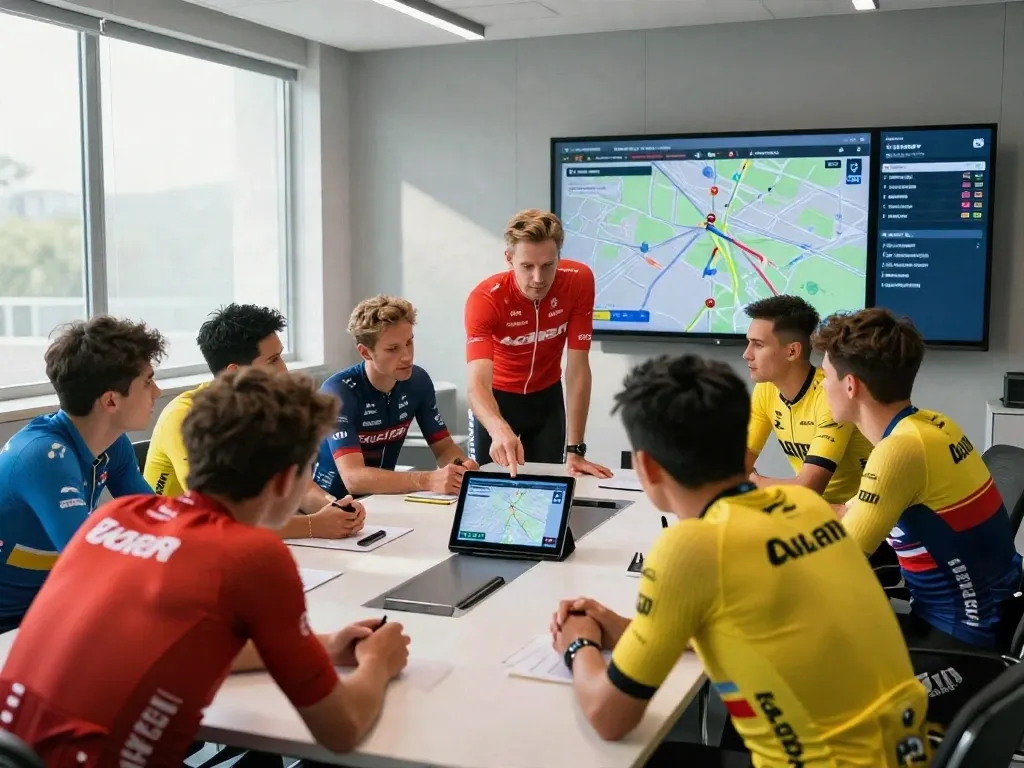
Successful race day tactics hinge on thorough pre-race briefings where team strategies are discussed and refined. These briefings enable team managers and sports directors to communicate the race plan, focusing on key objectives for each stage based on the terrain and conditions.
During the 2023 Giro d’Italia, pre-race meetings allowed Team INEOS to adapt their plans based on the latest weather forecasts and competitor performance, leading to a more agile approach throughout the race.
Real-Time Communication During Races
Effective communication is paramount during the race. Teams utilize radio communications to relay information about pace, changes in terrain, and the status of competitors. This real-time communication allows teams to adjust tactics dynamically as the race unfolds.
For instance, during the final stages of the 2021 Tour de France, Team UAE Emirates used their communication system to coordinate their efforts, ensuring that Tadej Pogačar was well-supported during critical climbs while staying informed about competitors' movements.
Responding to Unexpected Situations
Unforeseen circumstances, such as crashes, mechanical failures, or sudden changes in weather, require quick thinking and adaptability. Teams must be prepared to pivot their strategies at a moment's notice to mitigate any potential losses.
During the 2022 Vuelta a España, a sudden crash in a critical stage forced several teams to adjust their tactics on the fly. Teams that had established clear communication protocols and flexible strategies were better equipped to respond, minimizing the impact of these disruptions.
Post-Race Evaluation and Future Planning
Assessing Team Performance
After the conclusion of a Grand Tour, teams conduct comprehensive evaluations of their performance. This includes analyzing race data, rider feedback, and overall team dynamics. Key performance indicators such as stage wins, overall placements, and rider fatigue levels are assessed to gauge success.
For example, Team Jumbo-Visma uses software like Velon to summarize performance data post-race, allowing them to analyze what strategies worked and what didn’t, thus providing invaluable insights for future races.
Feedback Loops for Continuous Improvement
Establishing feedback loops is critical for ongoing development. Teams often hold debrief sessions where riders and staff can openly discuss their experiences, offering insights that can lead to improvements in training and race strategy.
Continuous improvement was a hallmark of Team Sky’s approach during their dominance in the early 2010s, where they frequently adjusted their strategies based on feedback from riders, leading to multiple Grand Tour victories.
Planning for Future Grand Tours
Insights gained from one Grand Tour are leveraged for future planning. Teams will use the data collected, combined with historical performance analytics, to create tailored training programs and strategies for upcoming races. This proactive approach ensures that teams remain competitive and can adapt to evolving race dynamics.
For example, following the 2022 season, Team UAE Emirates analyzed their performance and began implementing changes to their training regimens, focusing on climber development and time trial performance, which paid dividends in the subsequent season.
Comments
No comments yet.
Leave a comment