
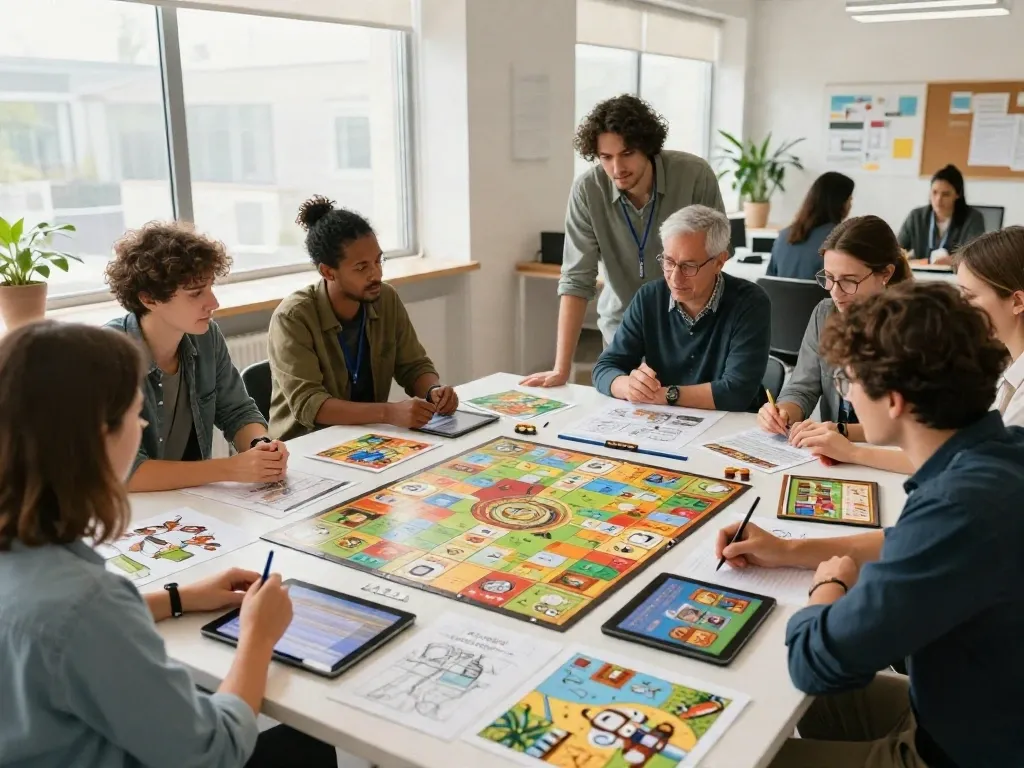
Understanding the Role of Illustrators in Board Game Publishing
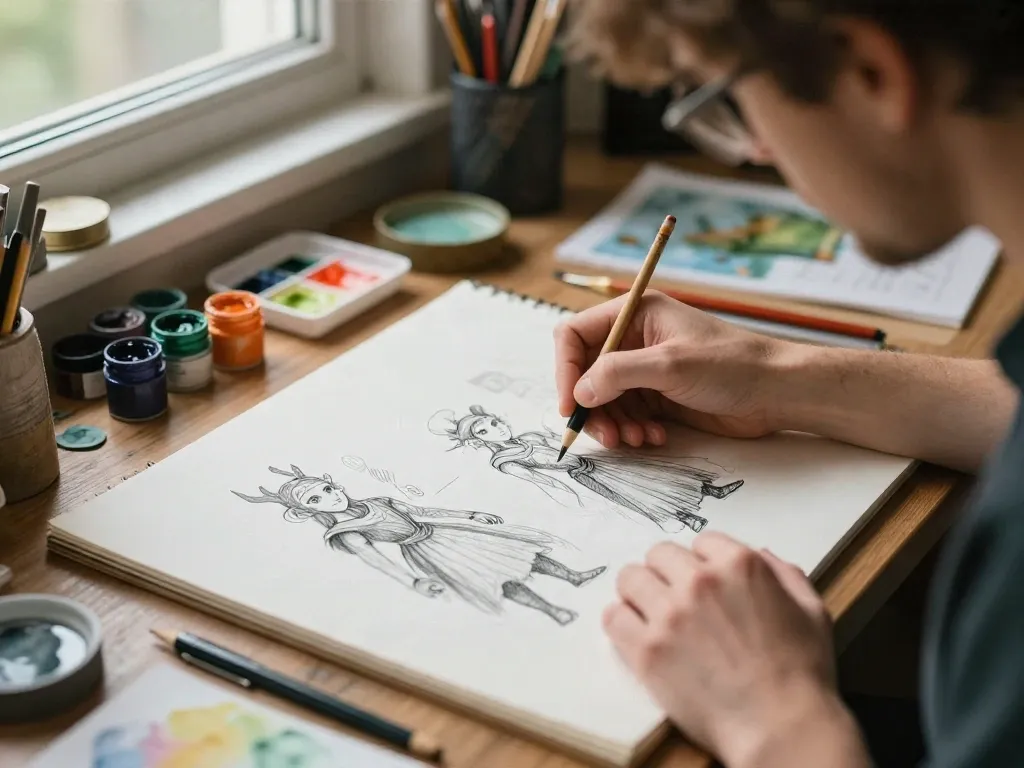
The Importance of Visuals in Gameplay
In the realm of board game publishing, illustrations play a pivotal role in shaping the player's experience. The visual aspect is not merely decorative; it serves to enhance the gameplay, facilitate understanding of rules, and create an immersive environment. A well-illustrated game can instantly communicate themes, settings, and moods, drawing players into its world.
For instance, games like Catan and Ticket to Ride showcase how compelling art can attract players. The vibrant landscapes and character designs invite engagement and often become a selling point. According to a study by the Board Game Designers Guild, approximately 72% of players stated that artwork significantly influences their decision to purchase a board game.
Types of Illustrators in the Board Game Industry
In the board game industry, there are various types of illustrators, each specializing in different aspects of game art:
- Concept Artists: They develop initial designs and ideas, often creating mood boards and character sketches that set the tone for the entire game.
- Character Designers: These illustrators focus on creating unique and engaging characters that resonate with the game's theme and mechanics, such as those found in Dungeons & Dragons.
- Environment Artists: Specializing in backgrounds and settings, these artists bring the game world to life, enhancing the immersive experience for players.
- UI/UX Designers: Responsible for designing the user interface of board games, their work ensures that gameplay is intuitive and visually appealing, which is crucial for modern board games.
How Illustrations Enhance Player Experience
The impact of illustrations goes beyond aesthetics; they substantially enrich player experience. For example, a game like Azul utilizes vibrant tiles and patterns that not only appeal visually but also aid in understanding gameplay mechanics. The visual cues provided by illustrations help players comprehend strategies and objectives more easily.
Additionally, illustrations can evoke emotions and create narratives. In games like Gloomhaven, the artwork contributes to a sense of adventure and exploration, immersing players in a story that unfolds with each play session. This emotional connection often leads to increased replayability, as players are drawn back into the world created by the illustrations.
Sources for Finding Talented Illustrators
Online Portfolios and Art Communities
One of the primary methods board game publishers use to find illustrators is through online portfolios and art communities. Websites like Behance, ArtStation, and even Instagram have become key platforms where artists showcase their work. Publishers often search these platforms for specific styles that align with their project needs.
For instance, ArtStation allows publishers to filter searches by art style, medium, and even specific game genres. This targeted approach can yield a list of potential illustrators who have demonstrated their capabilities through their portfolios. Moreover, many artists actively engage with their audience on these platforms, providing a glimpse into their creative processes and professional demeanor.
Industry Conventions and Networking Events
Industry conventions such as Gen Con, Essenspiel, and UK Games Expo serve as crucial networking hubs for publishers and illustrators alike. These events allow publishers to meet artists face-to-face, discuss potential collaborations, and observe their work in person. For example, at Gen Con, many illustrators showcase their portfolios in artist alleys, allowing publishers to browse and make connections.
Networking at these events often leads to fruitful partnerships. Publishers can witness firsthand how artists interact with the gaming community, which can be an indicator of their ability to resonate with the audience. Additionally, many illustrators attend these conventions specifically to connect with publishers, creating an ecosystem where talent and opportunity meet.
Referrals from Other Publishers and Designers
Referrals play a significant role in the hiring process for illustrators in the board game industry. Many publishers rely on their networks and relationships built over years to find reputable illustrators. This word-of-mouth approach often leads to finding artists who have a proven track record and a style that fits the publisher's needs.
For example, a small publisher might reach out to larger companies or experienced game designers for recommendations on illustrators they have previously worked with. This referral system not only streamlines the hiring process but also builds a sense of trust, as publishers are more likely to hire someone recommended by a reliable source.
The Hiring Process for Board Game Illustrators
Creating a Clear Brief and Vision
Once a publisher identifies potential illustrators, the next step involves creating a clear and comprehensive brief. This document outlines the project’s vision, including themes, color palettes, and specific artistic styles that align with the game’s mechanics and target audience.
A well-crafted brief can significantly impact the success of the collaboration. For instance, when Fantasy Flight Games collaborated with illustrator Vital Lacerda for the game Lisboa, they provided detailed descriptions of the historical context and visual elements they wanted, ensuring that the final artwork would meet their expectations.
Evaluating Portfolios and Style Fit
Evaluating an illustrator’s portfolio is a critical step in the hiring process. Publishers must assess whether the artist's style aligns with the vision outlined in the brief. This evaluation can be subjective; however, certain criteria can help guide the decision-making process:
- Consistency: Does the illustrator maintain a consistent style across their body of work?
- Versatility: Can the illustrator adapt their style to fit different themes or genres?
- Technical Skill: Is the artwork well-executed, with attention to detail and composition?
For example, publishers looking for whimsical and colorful illustrations might gravitate towards artists who have demonstrated success in similar styles, such as Marisa K. Duran, known for her vibrant and playful artwork in games like Exploding Kittens.
Conducting Interviews and Negotiating Contracts
After narrowing down potential candidates, publishers often conduct interviews to gauge the illustrator's understanding of the project and their creative process. This step is crucial in ensuring both parties are aligned in terms of expectations and workflow. During the interview, publishers might ask about the illustrator's previous experiences, their approach to feedback, and their availability for the project timeline.
Once both parties feel confident in their partnership, the next step is negotiating contracts. This process involves discussing compensation, deadlines, and ownership rights of the artwork. For instance, publishers might offer a flat fee for a specific number of illustrations or royalties based on game sales. Clarity in these negotiations helps prevent future misunderstandings and fosters a positive working relationship.
Building Long-Term Relationships with Illustrators
Establishing Clear Communication Channels
Once an illustrator is hired, establishing clear communication channels becomes essential for a successful collaboration. Publishers should utilize various tools such as Slack, Trello, or even traditional email to keep lines of communication open. Regular check-ins can help ensure that both parties remain aligned throughout the creative process.
Effective communication not only helps address any concerns promptly but also fosters a collaborative spirit. For example, Stonemaier Games is known for maintaining open lines of communication with their illustrators, often sharing updates and gathering input on artwork development.
Providing Feedback and Collaboration Opportunities
Feedback is a crucial component of the creative process. Publishers should provide constructive feedback during the illustration phase, highlighting what works well and what may need adjustments. This practice helps illustrators refine their work and align more closely with the publisher's vision.
Moreover, giving illustrators opportunities for collaboration can lead to innovative ideas. For instance, publishers might invite illustrators to participate in brainstorming sessions, allowing them to contribute their artistic insights and perspectives on gameplay.
Creating a Supportive Work Environment
Fostering a supportive work environment is vital for long-term relationships with illustrators. Publishers can achieve this by respecting deadlines, recognizing the illustrator's creative input, and providing timely payments. A positive working relationship encourages illustrators to invest their best efforts into the project.
For example, companies like Renegade Game Studios have earned a reputation for treating their artists well, often resulting in repeated collaborations and a strong roster of talent.
Trends in Board Game Illustration and Future Implications
Emerging Styles and Techniques in Game Art
As the board game industry evolves, so too do the trends in illustration. Current trends include a resurgence of hand-drawn art, mixed media, and the incorporation of 3D elements into illustrations. Games like Root exemplify the use of whimsical, hand-drawn artwork that appeals to both casual and hardcore gamers alike.
Publishers are also experimenting with innovative styles, such as the use of augmented reality (AR) in games like Chronicles of Crime, where illustrations are enhanced with digital overlays, creating a dynamic player experience.
The Impact of Technology on Illustration Workflows
Technology is reshaping the way illustrators create and publishers source artwork. Digital tools and software like Adobe Illustrator and Procreate have become industry standards, allowing illustrators to produce high-quality work more efficiently. Additionally, cloud-based collaboration tools enable real-time feedback and adjustments, streamlining the creative process.
Publishers can leverage these technologies to enhance their hiring processes, allowing them to work with global talent and conduct remote collaborations more seamlessly.
How Trends Influence Hiring Decisions for Publishers
Finally, staying abreast of industry trends influences hiring decisions for publishers. As the demand for unique and engaging art styles grows, publishers often seek illustrators who are not only skilled but also aware of current trends. For instance, a publisher focusing on a game with a retro theme might prioritize hiring artists who specialize in pixel art or vintage-inspired illustrations.
Moreover, as player demographics diversify, publishers need illustrators who can create art that is inclusive and representative of various cultures and backgrounds, further broadening their talent search.

Comments
No comments yet.
Leave a comment