
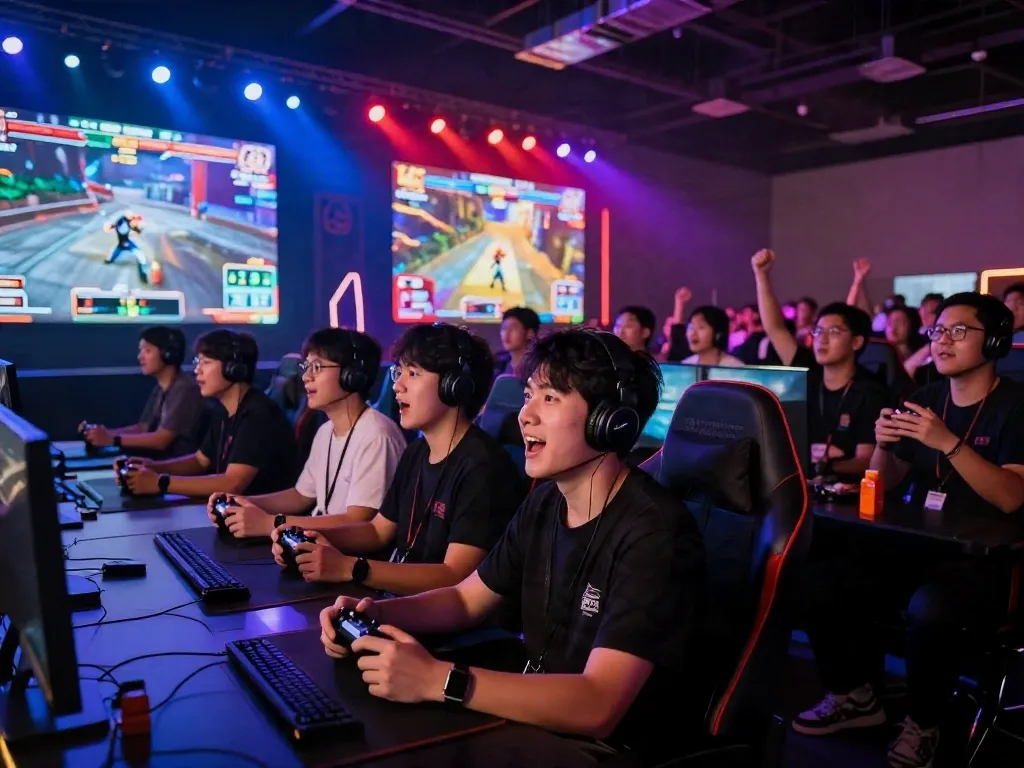
The Unique Social Experience of Offline Fighting Game Tournaments
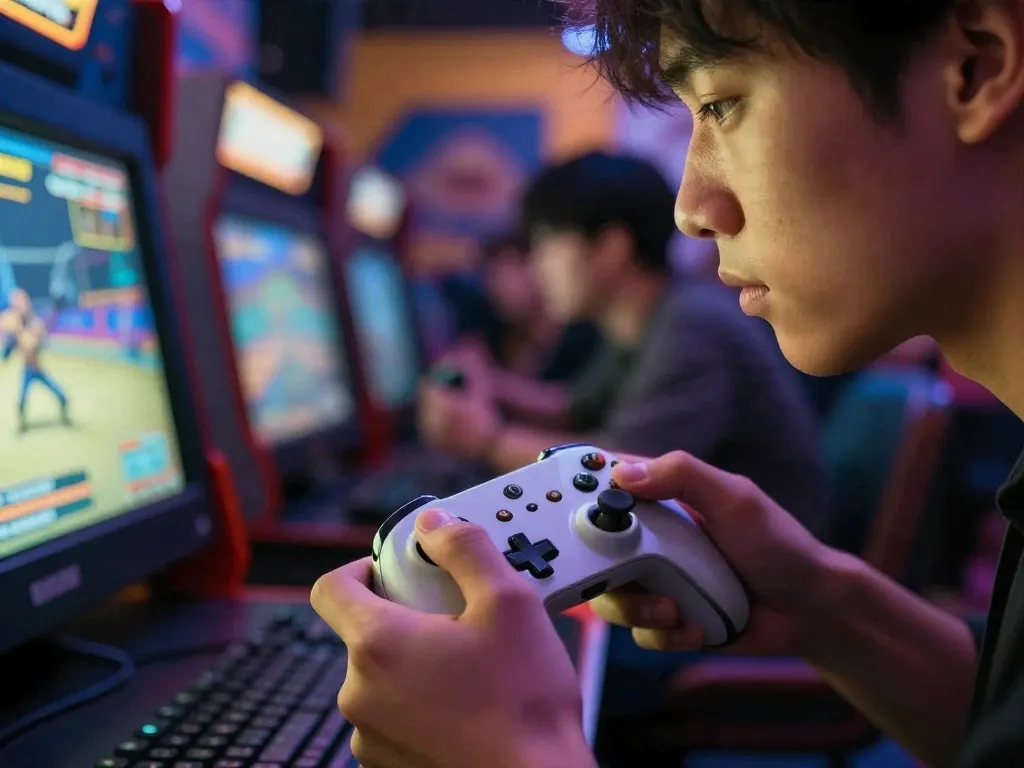
Fighting game tournaments are a unique blend of competition, community, and camaraderie. While online play has its benefits, the offline experience provides something that virtual platforms simply cannot replicate.
Building Community Connections
One of the most compelling reasons why fighting game tournaments demand offline events is the opportunity to build community connections. When players gather in a physical space, they have the chance to meet like-minded individuals who share their passion for fighting games. For instance, events like EVO (Evolution Championship Series) attract thousands of players and spectators from around the world, creating a melting pot of cultures and experiences. Players often form bonds over shared strategies, character choices, and even personal stories, which can lead to lasting friendships that extend beyond the tournament itself. Additionally, these events often feature local meetups and side tournaments, allowing players to connect with their local scene. This sense of belonging is crucial in fostering a supportive environment where players can grow together.
Face-to-Face Rivalries and Friendships
The thrill of competition is magnified in an offline setting, where players can experience the intensity of rivalries in person. Familiarity breeds competition; players may have faced each other online numerous times, but the stakes feel higher when they are standing just feet apart. For example, rivalries such as those between players Justin Wong and Daigo Umehara have become legendary, often culminating in electrifying matches at major events like EVO. The palpable tension, excitement, and emotional stakes are amplified in these face-to-face encounters, making victories and defeats more impactful. Moreover, friendships often blossom from these rivalries. Players learn to respect each other's skills and dedication, fostering a competitive yet friendly atmosphere that enriches the tournament experience.
Shared Live Reactions and Atmosphere
The atmosphere of an offline tournament is electric. Spectators and participants alike feed off each other's energy, creating an experience that is difficult to convey through a screen. The collective gasps, cheers, and groans create a shared sense of involvement that enhances the excitement of each match. Take the 2019 EVO finals, where the crowd erupted in cheers for both players as they showcased their skills in a nail-biting grand finale. The adrenaline rush from being surrounded by thousands of passionate fans is something that online events simply cannot replicate. This shared experience fosters a deeper emotional connection between players and their audience, making victories feel sweeter and defeats a little less painful when shared with others.
The Importance of Physical Presence in Competitive Play
While the community aspect is vital, the importance of physical presence in competitive play should not be underestimated. The nuances of fighting games often require players to engage with their opponents and the environment in ways that are best experienced offline.
Understanding Player Dynamics
In offline tournaments, players can observe their opponents’ body language and reactions, which can provide valuable insights into their strategies. For example, a player might notice that their opponent tends to tense up before executing a particular move, indicating a pattern that can be exploited. Moreover, offline play allows for the development of a “read” on an opponent. Players can gauge the psychological state of their rivals, adapting their strategies accordingly. This understanding cannot be fully realized in online environments, where physical cues are absent.
Instant Feedback and Adaptation
The ability to receive instant feedback during matches is crucial in fighting games. In an offline setting, players can have immediate discussions with their coaches or fellow competitors after each match, allowing for quick adjustments to strategies. Consider a player who loses a round due to a poorly timed move. In an offline environment, they can discuss their mistakes with a coach, who might suggest a different approach or character selection based on the opponent’s playstyle. This speed of adaptation is essential in high-stakes tournaments, where every moment counts.
Environmental Factors in Performance
The physical environment in which players compete can significantly impact their performance. Factors like lighting, seating arrangements, and even ambient noise can affect concentration and gameplay. For instance, at events like Combo Breaker, the setup is designed to minimize distractions and optimize player comfort. Players often report feeling more focused and energized in well-organized environments. In contrast, online tournaments can vary widely in terms of player setups, leading to inconsistent experiences and performance.
Technical Advantages of Offline Events
While community and competition are essential, the technical advantages of offline events cannot be ignored. These benefits often play a key role in determining the outcome of matches.
Reduced Latency and Input Lag
One of the most significant technical advantages of offline tournaments is the reduction in latency and input lag. In online play, even the smallest delay can affect a player's timing, leading to missed combos or poorly executed moves. For example, a study by the International Journal of Sports Science found that players experience an average input lag of 30-50 milliseconds when playing online. In contrast, offline play typically sees lag times of less than 5 milliseconds, allowing for precise inputs and optimal performance. This reduction in latency is crucial for high-level play, where split-second decisions can determine the outcome of a match. Players can execute complex combos and strategies with confidence, knowing that their inputs will register accurately.
Consistent Equipment and Setup Quality
Offline events often utilize standardized equipment, ensuring that all players compete under the same conditions. This consistency is vital for fair play, as it eliminates discrepancies caused by different controllers, monitors, or network conditions that may arise in online tournaments. At major events, players are provided with high-quality arcade sticks or controllers, as well as professional-grade monitors that are calibrated for optimal performance. For example, tournaments like CEO Gaming make it a point to use the same equipment for all players, allowing them to focus solely on their gameplay without worrying about technical issues.
Direct Access to Tournament Organizers and Support
During offline events, players have direct access to tournament organizers and support staff. This accessibility is particularly beneficial for resolving disputes or technical issues that may arise during matches. For example, if a player encounters a problem with their setup or a potential rule violation, they can quickly approach an organizer for assistance. This immediacy is often lacking in online tournaments, where players may need to navigate through multiple layers of communication to address their concerns.
The Role of Spectators in Fighting Game Culture
Spectators play a crucial role in enriching the fighting game tournament experience. Their presence not only enhances the atmosphere but also contributes to the overall culture surrounding these events.
Live Audience Engagement and Interaction
The engagement of a live audience is one of the defining features of offline tournaments. Spectators have the opportunity to interact with players, cheer for their favorites, and even participate in side events or exhibitions. At events like EVO, crowd interaction can significantly influence the momentum of a match. When a player executes a stunning combo or a game-changing move, the roar of the crowd can elevate the tension and excitement, motivating players to push their limits. This dynamic engagement creates a unique environment where players and fans feel connected, fostering a sense of unity within the fighting game community.
Creating Memorable Moments and Highlights
Offline tournaments are often the setting for unforgettable moments that become part of fighting game lore. Epic comebacks, unexpected upsets, and legendary rivalries are all amplified by the presence of a live audience. For instance, the iconic moment between Daigo Umehara and Justin Wong in the EVO 2004 finals, where Daigo executed a perfect parry sequence, is etched in the minds of fans and players alike. This moment was not just a testament to skill but also to the electric atmosphere that only an offline event can provide. These memorable moments contribute to the narrative of the fighting game community, inspiring new players and creating a rich history that is celebrated at each event.
Boosting Player Motivation and Performance
The presence of spectators can serve as a powerful motivator for players. The knowledge that they are performing in front of a live audience often pushes competitors to elevate their gameplay. Players frequently report feeling more energized and focused during offline matches, particularly when they hear the cheers and support from the crowd. This motivation can lead to improved performance, as players strive to meet the expectations of their fans. At events like Combo Breaker, players often remark on how the atmosphere fuels their competitive spirit, pushing them to perform at their best.
Challenges of Online Tournaments vs. Offline Experiences
While online tournaments have made competitive fighting games more accessible, they come with inherent challenges that can detract from the overall experience.
Connectivity Issues and Disruptions
One of the most significant challenges of online tournaments is the potential for connectivity issues and disruptions. Players may experience lag, disconnections, or inconsistent performance due to varying internet speeds and network conditions. For instance, during the 2020 online EVO event, many players reported significant lag issues that impacted their gameplay, leading to frustration and dissatisfaction. These issues can create an uneven playing field, where the outcome of a match may be influenced more by internet stability than player skill. In contrast, offline tournaments provide a reliable and controlled environment, allowing players to focus solely on their performance without the worry of technical disruptions.
Limitations in Tournament Formats and Rules
Online tournaments often face limitations in terms of formats and rules. The structure of online events may not fully capture the essence of competitive play, leading to a less engaging experience for both players and spectators. For example, many online tournaments resort to double elimination formats to accommodate larger participant pools, which can lead to lengthy wait times and a less dynamic experience. Offline events, on the other hand, can implement more complex formats, such as round-robin or pool play, providing a richer competitive experience.
Loss of the Competitive Spirit and Atmosphere
Finally, online tournaments often struggle to replicate the competitive spirit and atmosphere found in offline events. The lack of face-to-face interactions and the energy of a live crowd can make matches feel less impactful and engaging. As previously mentioned, the adrenaline rush of competing in front of an audience, coupled with the camaraderie of shared experiences, is a significant part of what makes fighting game tournaments special. Online platforms can provide convenience, but they fall short in delivering the emotional and social benefits that offline events offer. In conclusion, while online tournaments have opened doors to new players and broadened access to competitive fighting games, the unique social experience, technical advantages, and community engagement found in offline events are essential to the future and growth of fighting game tournaments. The bonds forged, the rivalries created, and the unforgettable moments experienced in person contribute to a rich culture that online formats cannot replicate. Therefore, investing in offline tournaments is crucial for maintaining the integrity and excitement of the fighting game community.


Comments
No comments yet.
Leave a comment