
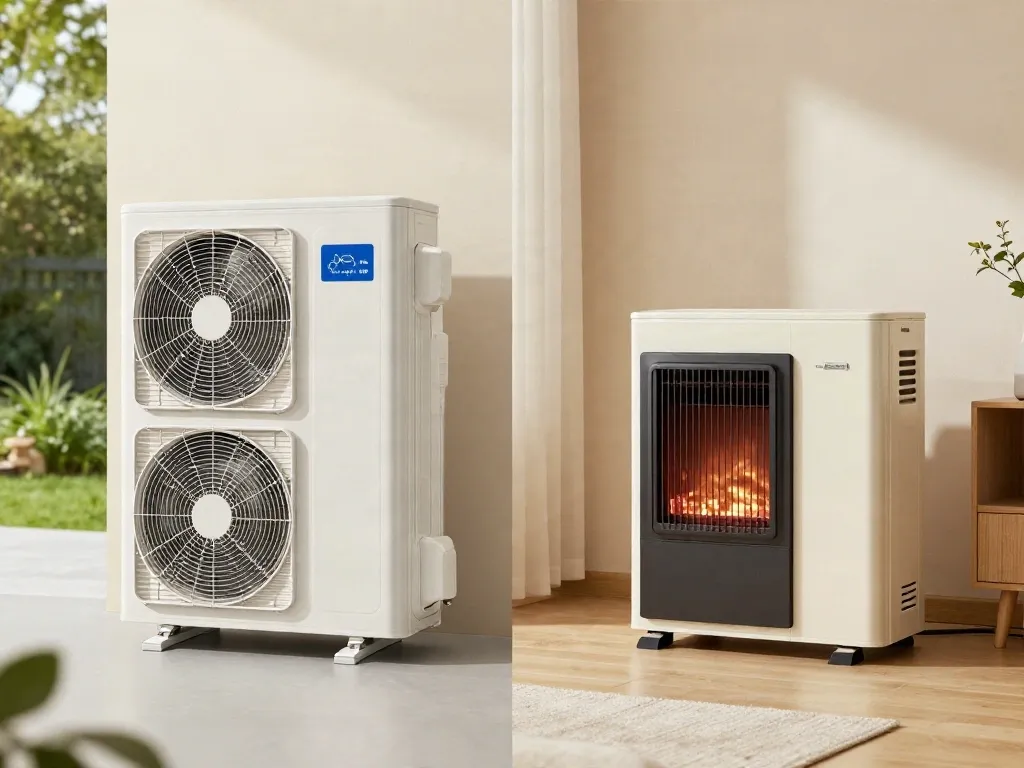
Heat Pump vs. Furnace: A Lifetime Cost Comparison Guide
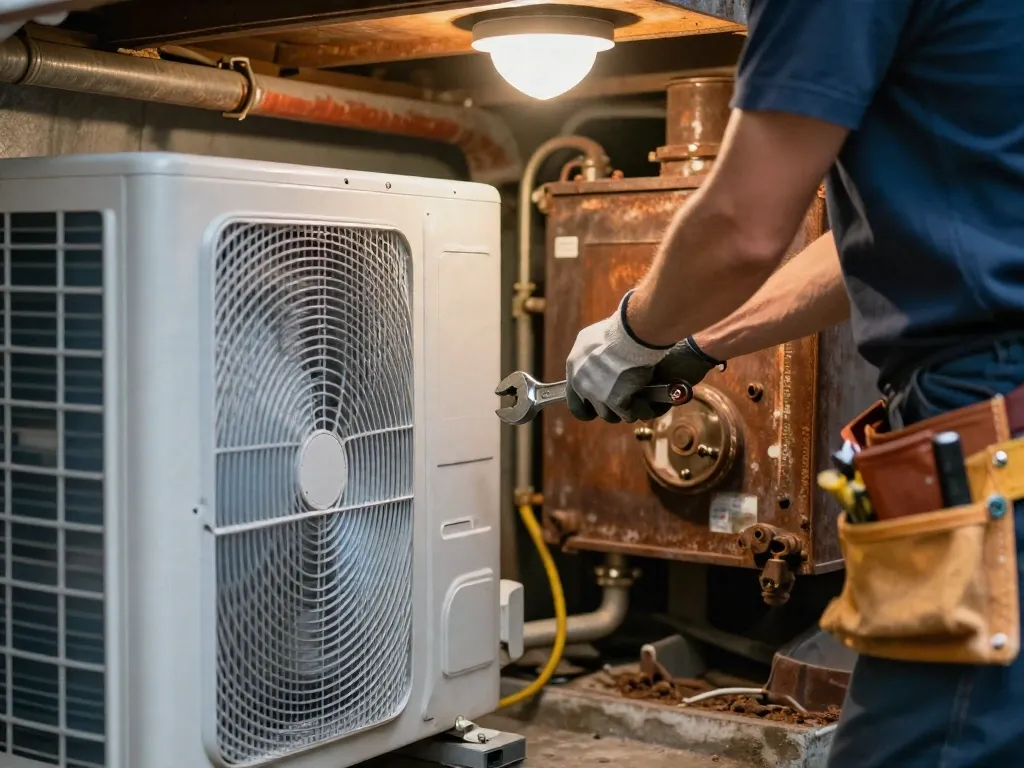
When it comes to heating your home, two of the most popular options are heat pumps and furnaces. Both systems have their advantages and disadvantages, and the choice between them can significantly impact your home’s comfort and your financial bottom line. This article provides a comprehensive lifetime cost comparison between heat pumps and furnaces, helping you make an informed decision based on initial purchase costs, operating expenses, longevity, environmental considerations, and resale value.
Initial Purchase and Installation Costs
Average Costs of Heat Pumps
The initial purchase price of a heat pump typically ranges from $3,000 to $8,000, depending on the size and type of the unit. For instance, a standard air-source heat pump can cost between $4,000 and $6,000, while a geothermal heat pump, known for its higher efficiency, can range from $10,000 to $25,000. Installation costs can add another $1,000 to $3,000, depending on the complexity of the installation and any necessary modifications to your home’s ductwork.
Average Costs of Furnaces
Furnaces also vary widely in price, with gas furnaces generally costing between $2,500 and $6,000, and electric furnaces ranging from $1,500 to $5,000. Installation costs for a furnace can be similar to that of a heat pump, often adding $1,000 to $2,000 to the total cost. Therefore, the total investment for a furnace can range from $3,500 to $8,000. High-efficiency models can have higher upfront costs but may offer savings in the long run.
Installation Factors and Hidden Fees
When considering installation, several factors can influence the final price:
- Complexity of Installation: Older homes may require more extensive modifications to accommodate new systems.
- Ductwork: If your home lacks ductwork, the cost of new installation can significantly increase overall expenses.
- Permits and Inspections: Depending on local regulations, you might incur additional costs for permits and inspections.
- Labor Costs: These can vary based on location and the reputation of the contractor.
Be sure to get multiple estimates and understand all potential fees involved before making your decision.
Operating Costs Over Time
Energy Efficiency Ratings and Their Impact
Energy efficiency is a crucial factor in determining the operating costs of heating systems. Heat pumps are typically rated by their Seasonal Energy Efficiency Ratio (SEER) and Heating Seasonal Performance Factor (HSPF). A higher rating indicates better efficiency. For example, a heat pump with an HSPF of 10 can use 30-40% less energy than one with an HSPF of 7.
Furnaces, on the other hand, are rated by their Annual Fuel Utilization Efficiency (AFUE). A furnace with an AFUE rating of 90% converts 90% of the fuel it consumes into heat, while a 70% rated furnace wastes a significant portion of that energy. High-efficiency furnaces can have an AFUE of up to 98%.
Monthly Utility Bills: Heat Pump vs. Furnace
Monthly utility bills will vary greatly based on the efficiency of the system, local energy prices, and climate conditions. For instance, in a moderate climate, a heat pump may cost around $100 per month to operate, while a gas furnace could cost between $150 to $200, depending on gas prices. In colder climates, however, a furnace may outperform a heat pump, leading to lower operating costs despite higher fuel prices.
Maintenance Requirements and Costs
Both systems require regular maintenance to ensure optimal performance and longevity. Heat pumps, being a combination of heating and cooling systems, typically require annual servicing, which can cost between $150 and $300 per visit. This includes checking refrigerant levels, cleaning coils, and inspecting electrical components.
Furnaces also require annual maintenance, with similar costs. However, they may have fewer parts that require servicing than heat pumps. Homeowners can expect to pay around $100 to $200 annually for furnace maintenance.
Longevity and Lifespan Comparisons
Expected Lifespan of Heat Pumps
Heat pumps generally have a lifespan of 15 to 20 years, depending on the type and how well they are maintained. Regular servicing and prompt repairs can help extend this lifespan, particularly for geothermal systems, which can last up to 25 years or more.
Expected Lifespan of Furnaces
Furnaces typically last between 15 to 30 years, again depending on the model and maintenance. Gas furnaces tend to last longer than electric models, but both can perform well with proper care. Homeowners should plan for replacement when their furnace approaches the 20-year mark.
Factors Affecting Equipment Longevity
Several factors can influence the longevity of both heat pumps and furnaces:
- Quality of Installation: A poorly installed system can lead to premature failure.
- Usage Patterns: Systems that are overworked or used excessively may wear out faster.
- Environmental Conditions: Units exposed to harsh weather conditions might have a shorter lifespan.
- Regular Maintenance: Consistent upkeep can significantly extend the lifespan of any heating system.
Environmental Impact and Incentives
Energy Source and Environmental Considerations
Heat pumps are often considered more environmentally friendly than furnaces, especially those powered by fossil fuels. Heat pumps use electricity to transfer heat, which can be sourced from renewable energy. In contrast, gas furnaces rely on natural gas, a fossil fuel that contributes to greenhouse gas emissions.
As energy efficiency standards improve and the grid becomes greener, heat pumps’ environmental impact continues to diminish, making them a more sustainable choice in the long run.
Government Incentives for Heat Pumps
Many governments offer incentives for installing energy-efficient systems, including heat pumps. Depending on your location, you may qualify for tax credits, rebates, or grants aimed at encouraging the adoption of eco-friendly technologies. For example, the Federal Investment Tax Credit (ITC) can provide a substantial rebate for geothermal heat pumps, making them more financially accessible.
Long-Term Savings from Eco-Friendly Choices
Choosing a heat pump not only benefits the environment but can also lead to long-term savings. With lower operating costs and potential government incentives, the total cost of ownership for a heat pump can be lower than that of a traditional furnace over its lifespan.
Resale Value and Market Considerations
Impact on Home Resale Value
When considering resale value, the type of heating system in your home can play a significant role. Homes equipped with modern heat pumps may appeal to eco-conscious buyers, potentially increasing resale value. According to the National Association of Realtors, homes with energy-efficient systems can sell for about 2-5% more than similar homes without such features.
Market Trends: Heat Pumps vs. Furnaces
Market trends are shifting toward more energy-efficient heating solutions. As awareness of climate change grows, homebuyers are increasingly looking for properties with sustainable features. Heat pumps, particularly those with high-efficiency ratings, are becoming more desirable compared to traditional gas furnaces, which could impact their marketability in the long run.
Buyer Preferences and Future Considerations
As technology advances and energy costs fluctuate, buyer preferences will continue to evolve. A growing number of consumers prioritize energy efficiency and lower environmental impact, making heat pumps a more attractive option in the housing market. Homeowners should consider these trends when deciding between a heat pump and a furnace, as future resale value can be significantly influenced by these preferences.
In conclusion, the choice between a heat pump and a furnace is multifaceted, involving initial costs, operating expenses, longevity, and environmental impact. While heat pumps may have higher upfront costs, their long-term savings, efficiency, and eco-friendliness provide compelling reasons to consider them as a viable heating solution. Homeowners should conduct thorough research and consider their specific circumstances and preferences when making this important decision.


Comments
No comments yet.
Leave a comment