
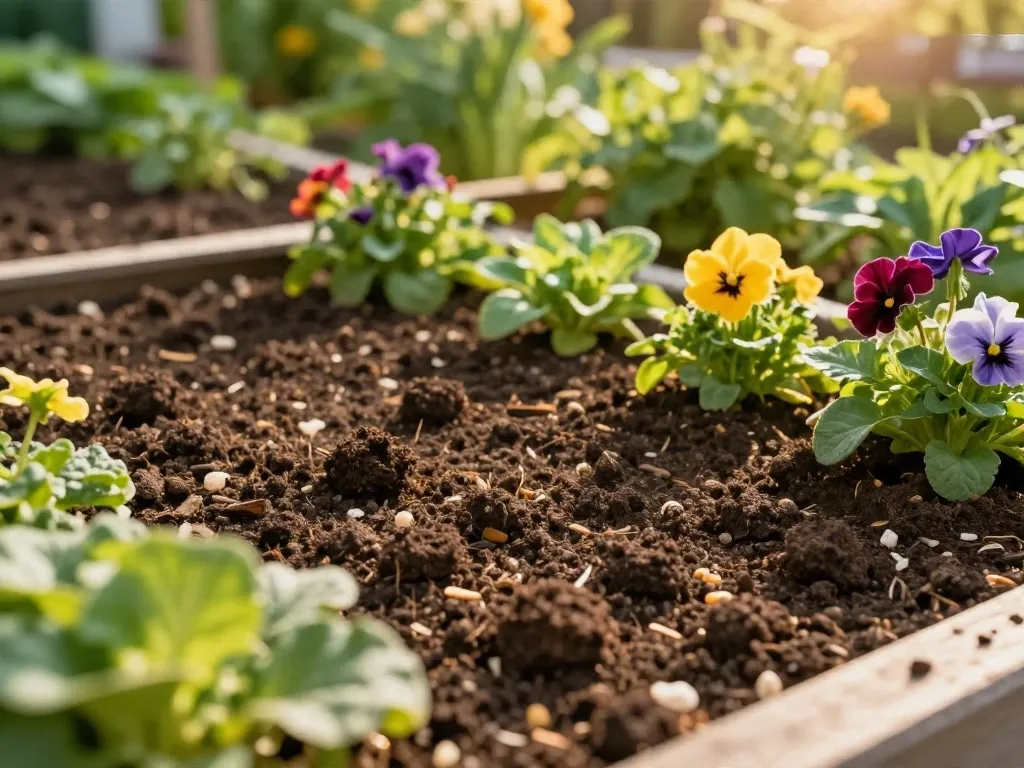
Understanding the Basics of Soil Composition for Raised Garden Beds
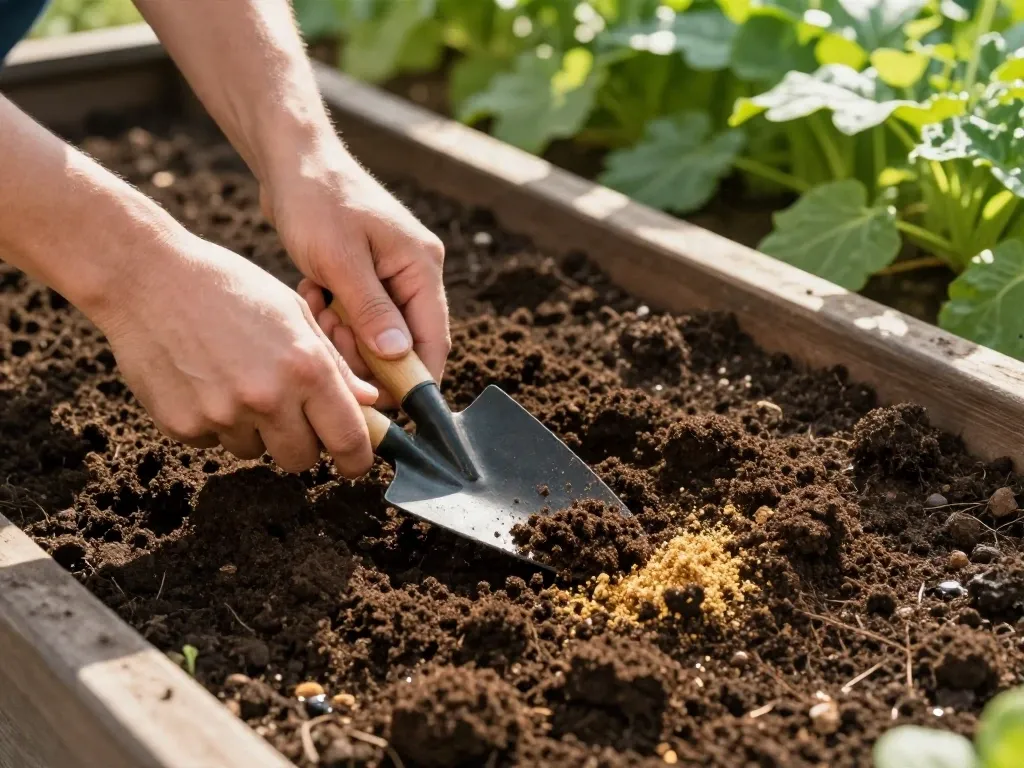
Creating a thriving raised garden bed starts with understanding the soil composition. The right mix will not only provide essential nutrients but also ensure good structure and drainage, which are critical for healthy plant growth. Here, we dive into the fundamentals of soil composition specifically tailored for raised garden beds.
The Importance of Soil Structure
The structure of soil refers to the arrangement of soil particles and the spaces between them. A well-structured soil allows for air circulation, water retention, and root penetration. For raised garden beds, the ideal soil structure incorporates a balance of sand, silt, and clay:
- Sand: Provides drainage and prevents soil compaction.
- Silt: Offers nutrient retention and moisture.
- Clay: Helps hold nutrients but can lead to poor drainage if overused.
A good raised bed soil mix typically contains a combination of these elements, aiming for a loose, crumbly texture that facilitates root growth and enhances overall plant health.
Essential Nutrients for Plant Growth
Plants require a variety of nutrients for optimal growth, including macronutrients such as nitrogen (N), phosphorus (P), and potassium (K), as well as micronutrients like magnesium, calcium, and sulfur. Here’s a breakdown of their roles:
- Nitrogen: Crucial for leaf and stem growth.
- Phosphorus: Essential for root development and flowering.
- Potassium: Aids in overall plant function and disease resistance.
In a raised garden bed, incorporating organic matter such as compost can help ensure these nutrients are readily available to plants throughout the growing season.
Balancing Texture and Drainage
A raised garden bed needs a soil mix that balances texture and drainage to prevent waterlogging while retaining enough moisture for plant roots. A good rule of thumb is to aim for:
- 40% topsoil: Provides the foundation for nutrient and moisture retention.
- 30% compost: Enriches the soil with organic matter and nutrients.
- 30% aeration material: Such as perlite, vermiculite, or coarse sand to enhance drainage.
Using this balance helps create a vibrant ecosystem for your plants, ensuring they thrive in a raised garden bed environment.
Classic Soil Mix Recipes for Raised Garden Beds
Now that we've established the fundamentals of soil composition, let's explore some classic soil mix recipes that are proven to work effectively in raised garden beds.
The 60/30/10 Formula
The 60/30/10 formula is a classic and straightforward soil mix recipe that has been used by gardeners for years. This formula consists of:
- 60% topsoil: The base of your mix, providing essential minerals and structure.
- 30% compost: Adding organic material that improves fertility and moisture retention.
- 10% coarse sand or perlite: Enhancing drainage and aeration.
This mix works well for a variety of plants, making it a versatile choice for many gardeners. For a 4x4 raised bed, you would need about 12 cubic feet of soil, which translates to 7.2 cubic feet of topsoil, 3.6 cubic feet of compost, and 1.2 cubic feet of coarse sand or perlite.
Lasagna Gardening Soil Mix
The lasagna gardening method, also known as sheet composting, involves layering organic materials to create a nutrient-rich soil mix. This method is particularly beneficial for raised garden beds. Here’s how to create a lasagna garden bed:
- Layer 1: Start with cardboard or newspaper to suppress weeds.
- Layer 2: Add a layer of green materials (e.g., kitchen scraps, grass clippings) for nitrogen.
- Layer 3: Follow with a layer of brown materials (e.g., dried leaves, straw) for carbon.
- Layer 4: Finally, top it off with a layer of compost or well-rotted manure.
This method creates a rich, nutrient-dense soil mix as the materials decompose, making it perfect for a variety of plants over time.
Compost-Heavy Blend
If you’re looking to create a nutrient-rich environment, a compost-heavy blend can work wonders. This mix consists of:
- 30% topsoil: Provides a foundational structure.
- 50% compost: Offers a bountiful supply of nutrients.
- 20% perlite or coconut coir: Enhances aeration and moisture retention.
This mix is ideal for heavy feeders like tomatoes, peppers, and squash, ensuring they have the nutrients they need to thrive.
Specialized Soil Mixes for Specific Plant Needs
Different plants have varying soil requirements. Below are specialized soil mixes tailored to meet the specific needs of vegetables, herbs, and flowers.
Vegetable Garden Soil Mix
Vegetables typically require a balanced soil mix that supports vigorous growth and high yields. For a vegetable garden soil mix, consider:
- 50% topsoil - Provides essential minerals.
- 30% compost - Increases fertility and moisture retention.
- 20% aged manure - Enriches soil with additional nitrogen and organic material.
This mix is excellent for growing a variety of vegetables, including leafy greens, root vegetables, and fruiting crops.
Herb Garden Soil Formula
Herbs often prefer well-draining soil that is rich in organic matter but not overly rich in nutrients. A good herb garden soil formula includes:
- 40% topsoil - Ensures a solid base.
- 40% compost - Provides organic matter without overwhelming plants.
- 20% coarse sand or perlite - Enhances drainage.
Using this mix can help herbs like basil, rosemary, and thyme thrive, promoting robust flavors and healthy growth.
Flower Bed Soil Composition
Flowering plants often benefit from a soil mix that promotes both drainage and nutrient retention. For a flower bed, consider this composition:
- 50% topsoil - Serves as the main component.
- 30% compost - Enriches the soil and supports blooming.
- 20% peat moss or coconut coir - Improves moisture retention and aeration.
This blend works well for annuals and perennials, encouraging vibrant blooms throughout the growing season.
Organic Amendments to Enhance Raised Bed Soil Quality
Enhancing your raised bed soil quality can be achieved by adding organic amendments. These amendments improve soil structure, fertility, and moisture retention, leading to healthier plants.
Benefits of Adding Compost
Compost is an organic amendment that offers numerous benefits:
- Nutrient-Rich: Provides a balanced supply of nutrients essential for plant growth.
- Improves Soil Structure: Enhances aeration and drainage while retaining moisture.
- Encourages Microbial Activity: Supports beneficial microorganisms that contribute to soil health.
Adding compost to your raised garden bed mix can significantly improve plant vitality and yield.
Incorporating Worm Castings
Worm castings are another excellent organic amendment that can be added to raised bed soil. They offer:
- High Nutrient Content: Rich in nitrogen, phosphorus, potassium, and micronutrients.
- Improved Soil Structure: Enhances moisture retention and drainage properties.
- Beneficial Microorganisms: Introduces beneficial bacteria that support plant health.
Mixing worm castings into your soil can enhance plant growth, especially for sensitive plants like seedlings.
Using Organic Mulches for Moisture Retention
Organic mulches, such as straw, wood chips, or shredded leaves, play a crucial role in maintaining soil moisture levels. Their benefits include:
- Moisture Retention: Helps prevent evaporation, keeping the soil moist longer.
- Weed Suppression: Reduces weed growth, minimizing competition for nutrients.
- Temperature Regulation: Helps keep the soil temperature stable, protecting plant roots from extreme heat or cold.
Applying a layer of organic mulch in your raised beds can lead to healthier plants and reduced maintenance.
Adjusting Soil Mixes for Different Climatic Conditions
Different climates require different soil adjustments to optimize plant growth in raised garden beds. Here’s how to adapt your soil mix based on climatic conditions.
Soil Mix for Hot and Arid Climates
In hot and arid climates, it’s essential to focus on moisture retention and soil cooling. A suitable soil mix might include:
- 30% topsoil: Provides a solid foundation.
- 50% compost: Enhances moisture retention and adds nutrients.
- 20% coconut coir: Helps retain moisture while improving aeration.
This mix will help combat the harsh conditions of hot climates, allowing plants to thrive despite the heat.
Cold Climate Soil Adjustments
In colder climates, the primary focus should be on soil warmth and drainage. Consider this mix:
- 50% topsoil: Provides a structured base.
- 30% compost: Adds nutrients and warmth as it breaks down.
- 20% perlite: Enhances drainage and prevents soil compaction.
This combination will help prevent waterlogging while ensuring that the soil warms up quickly in the spring.
Adapting Soil for Humid Environments
In humid climates, the goal is to create a well-draining soil mix to prevent root rot. A suitable soil mix might include:
- 40% topsoil: A solid base for structure.
- 30% compost: Adds organic matter and nutrients.
- 30% coarse sand or gravel: Improves drainage and prevents compaction.
This mix will help manage excess moisture, ensuring that plants remain healthy and productive in humid conditions.
By understanding these core principles and utilizing the right soil mixes for your raised garden beds, you can create a thriving environment for your plants, maximizing both yield and health. Whether you’re growing vegetables, herbs, or flowers, the proper soil mix is foundational to a successful garden.

Comments
No comments yet.
Leave a comment