
The Partnership Dynamics Between Banks and Airlines
Understanding Co-branded Credit Cards
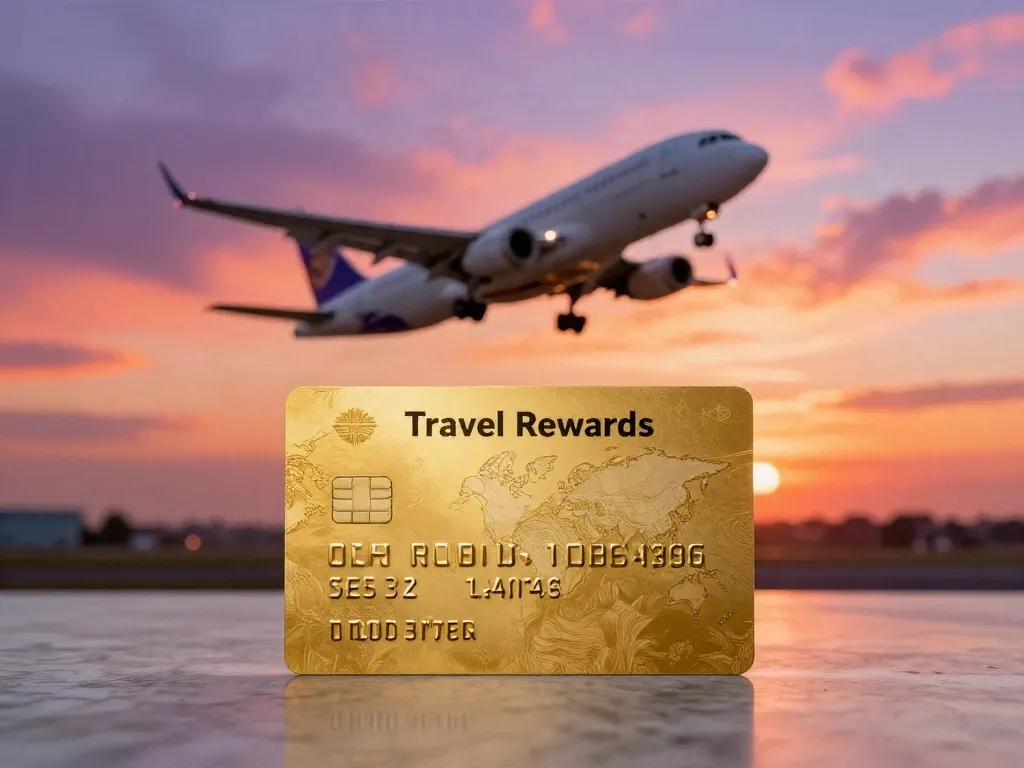
Co-branded credit cards are financial products developed through partnerships between banks and airlines, designed to reward consumers who frequently travel. These cards typically feature branding from both the issuing bank and the airline, creating a sense of affiliation and loyalty for cardholders. The structure of these cards is often tailored to maximize benefits for the airline’s frequent flyers, while also catering to the bank’s objectives of customer acquisition and retention.
For instance, the Chase Sapphire Preferred Card offers significant points on travel purchases, but its partnership with airlines such as United Airlines allows cardholders to earn additional miles when flying with United. This makes it attractive for consumers who are already loyal to the airline, and it encourages potential customers to choose the airline over competitors.
Mutual Benefits for Banks and Airlines
The relationship between banks and airlines is symbiotic. Airlines benefit from increased customer loyalty and engagement, as co-branded cards encourage consumers to choose their airline for travel in order to maximize rewards. For banks, these partnerships provide an opportunity to attract a specific consumer base that frequently travels, leading to higher transaction volumes and increased revenue from interest and fees.
Take, for example, the partnership between American Express and Delta Airlines. Delta's SkyMiles American Express cardholders earn miles for every dollar spent, which not only incentivizes spending on the card but also drives traffic to Delta flights as consumers seek to utilize their accumulated miles. This creates a cycle of loyalty and spending that benefits both parties.
Impact of Airline Loyalty Programs on Card Design
Airline loyalty programs heavily influence the features and benefits offered by co-branded credit cards. These programs are structured to reward frequent travelers with perks such as priority boarding, free checked bags, and access to exclusive lounges. Co-branded cards often incorporate these benefits into their offerings, enhancing their appeal to potential cardholders.
For example, the Citi / AAdvantage Platinum Select World Elite Mastercard offers bonus miles, free checked bags, and priority boarding for American Airlines flights. This alignment not only caters to the preferences of frequent flyers but also strengthens the airline's loyalty program by integrating it directly into the financial product, making it irresistible for travelers who prioritize those benefits.
Consumer Behavior and Airline Loyalty
The Psychology of Choosing Airline-affiliated Cards
Consumer psychology plays a significant role in the selection of airline-affiliated credit cards. Many travelers exhibit a strong preference for specific airlines based on past experiences, perceived quality, and loyalty incentives. This loyalty is often cemented by the travel rewards cards that enhance their relationship with the airline, such as earning miles more quickly or receiving exclusive promotions.
Research indicates that consumers are more likely to choose an airline-affiliated card if they have a pre-existing loyalty to the airline. This is evident in how many frequent flyers will prefer a card that offers maximum rewards for flights booked with their chosen airline, often disregarding potentially better general travel cards. For instance, a customer who regularly flies with Southwest Airlines may opt for the Southwest Rapid Rewards Visa to earn points specifically for Southwest travel, despite other cards offering more versatile rewards.
How Frequent Flyers Influence Card Offerings
Frequent flyers significantly influence the offerings and features of travel rewards cards. Their preferences dictate the types of rewards that are attractive and the extent of benefits that card issuers are willing to offer. This demographic often seeks cards that provide maximum return on travel-related purchases, leading banks and airlines to tailor their cards to meet these desires.
For instance, the United Explorer Card provides benefits such as 2x miles on United purchases and access to United Club lounges. Such features are directly aimed at frequent United travelers who are likely to value and utilize these specific perks, thus making the card more appealing than generic travel cards.
The Role of Brand Loyalty in Travel Rewards
Brand loyalty is a powerful force in the travel rewards ecosystem. Many consumers develop a strong affinity for specific airlines, which influences their credit card choices. This loyalty can stem from a variety of factors, including customer service experiences, flight options, and the airline's loyalty program structure.
For example, a traveler who consistently flies with JetBlue may choose the JetBlue Plus Card due to its specific rewards structure, including bonus points on JetBlue purchases and no foreign transaction fees. Such a choice is reinforced by the perceived value of the rewards and the comfort of being associated with a brand they trust. This dynamic ultimately leads to a more significant advantage for airlines that can cultivate strong brand loyalty among their customers.
Financial Incentives for Card Issuers
Revenue Sharing Models with Airlines
One of the key reasons travel rewards cards often favor specific airlines is the revenue sharing models established between banks and airlines. These agreements allow banks to gain financial incentives based on the performance of the card, which is tied closely to the airline's success in attracting and retaining customers.
Typically, banks share a percentage of the interchange fees collected on transactions made with the co-branded cards with the airline. This arrangement incentivizes both parties to maximize usage of the card, as higher spending translates to higher revenue for both the bank and the airline. A recent report indicated that co-branded card programs can generate billions in revenue from transaction fees alone, highlighting the financial motivations behind these partnerships.
The Cost of Customer Acquisition in Travel Rewards
The competitive nature of the credit card industry means that acquiring new customers can be costly. Co-branded cards provide banks with a strategic advantage by allowing them to tap into an existing customer base of loyal airline travelers. By offering cards that cater specifically to these consumers, banks can reduce their customer acquisition costs significantly.
For instance, a customer who signs up for the Alaska Airlines Visa Signature Card is likely to have flown with Alaska Airlines in the past, making them a prime candidate for loyalty. By targeting these consumers with tailored rewards, banks can efficiently acquire new cardholders who are more likely to use the card frequently, thus maximizing profitability.
How Specific Airlines Provide Higher Margins
Some airlines provide higher margins for banks due to their market dominance and loyalty program structures. Airlines with larger customer bases and extensive loyalty programs can offer more attractive co-branded card features, which in turn drive higher spending and engagement from cardholders.
For instance, a card associated with a major airline like American Airlines may yield higher margins for banks compared to smaller carriers, simply due to the volume of transactions and the loyalty of their customer base. This financial dynamic encourages banks to focus their efforts on partnerships with these larger airlines, leading to a concentration of rewards cards that favor specific carriers.
Market Competition and Airline Alliances
The Effect of Airline Alliances on Credit Card Rewards
Airline alliances play a crucial role in shaping the landscape of travel rewards cards. These alliances, such as the Star Alliance or Oneworld, allow airlines to share benefits and rewards across a network of carriers, creating a broader appeal for their co-branded credit cards.
For example, a cardholder with a British Airways Visa Signature Card may earn Avios that can be used across multiple airlines within the Oneworld alliance. This cross-utility enhances the attractiveness of the card, encouraging consumers to choose it over other non-affiliated options. As a result, banks are incentivized to promote cards with airlines in alliances, as these partnerships expand the potential customer base and transaction volume.
How Competition Shapes Card Features and Offers
The competitive landscape among banks and airlines significantly influences the design of travel rewards cards. As multiple banks vie for partnerships with popular airlines, they often introduce enhanced features or superior rewards to attract consumers. This competition can lead to better offers for consumers, as banks seek to differentiate their products.
For instance, during a promotional period, a bank may increase the earning rate for a specific airline co-branded card to entice new customers. This could manifest as a limited-time offer of 3x miles on all purchases made within the first three months, pushing consumers to make a decision quickly. Such strategies highlight how competition not only favors specific airlines but also benefits consumers through improved rewards and features.
The Role of Exclusive Airline Partnerships in Marketing
Exclusive partnerships between banks and airlines can create a competitive edge in the market, leading to more attractive travel rewards cards. These partnerships are often marketed heavily, showcasing unique benefits that are not available through general travel cards. This exclusivity can drive consumer interest and loyalty, as customers perceive added value in being associated with a specific airline.
For example, the Hilton Honors American Express Aspire Card provides cardholders with benefits not just in travel but also in hotel stays, but it is specifically designed to benefit those who frequently fly with airlines that have partnerships with Hilton. The marketing of such cards often emphasizes the exclusive nature of the rewards, further solidifying the connection between the bank, the airline, and the consumer.
Regulatory Framework and Industry Trends
How Regulations Affect Co-branded Card Structures
The regulatory framework surrounding financial products can significantly impact the structure of co-branded credit cards. Regulations regarding disclosures, fees, and rewards can shape how banks and airlines design their partnerships. For instance, regulations may require transparency in how rewards are earned and redeemed, affecting the appeal of specific cards.
Additionally, compliance with consumer protection laws can lead to changes in fees associated with co-branded cards. If a bank is required to limit annual fees or provide clearer terms regarding rewards, it may influence the incentives offered to consumers. Understanding these regulations is crucial for both banks and airlines as they navigate their partnerships in the competitive credit card market.
Emerging Trends in Travel Rewards Programs
As consumer preferences evolve, so too do the trends in travel rewards programs. Recently, there has been a shift towards offering more flexible rewards that can be utilized across various travel categories, not just airline flights. This trend is pushing airlines and banks to rethink their co-branded card offerings, potentially leading to a more balanced approach that caters to a broader audience.
For example, cards that offer bonus points not just on airline purchases but also on hotel bookings, car rentals, and dining out are becoming increasingly popular. This flexibility is appealing to a wider range of travelers, who may not always prioritize flying with a specific airline but still want to earn rewards for their travel-related expenses.
The Future of Airline-focused Credit Cards
Looking ahead, the future of airline-focused credit cards will likely be shaped by technological advancements and changing consumer behaviors. The rise of digital wallets and contactless payments may lead to innovations in how rewards are earned and redeemed, with a greater emphasis on real-time transactions.
Furthermore, as consumers continue to seek personalized experiences, airlines and banks will need to adapt their offerings to meet these demands. This could result in more tailored rewards programs that leverage data analytics to provide personalized benefits based on individual travel patterns and preferences.
Ultimately, while co-branded credit cards will continue to favor specific airlines due to established partnerships and consumer loyalty, the landscape is poised for transformation as the industry embraces new technologies and trends.



Comments
No comments yet.
Leave a comment