

The Decline of Muscle Mass After 40
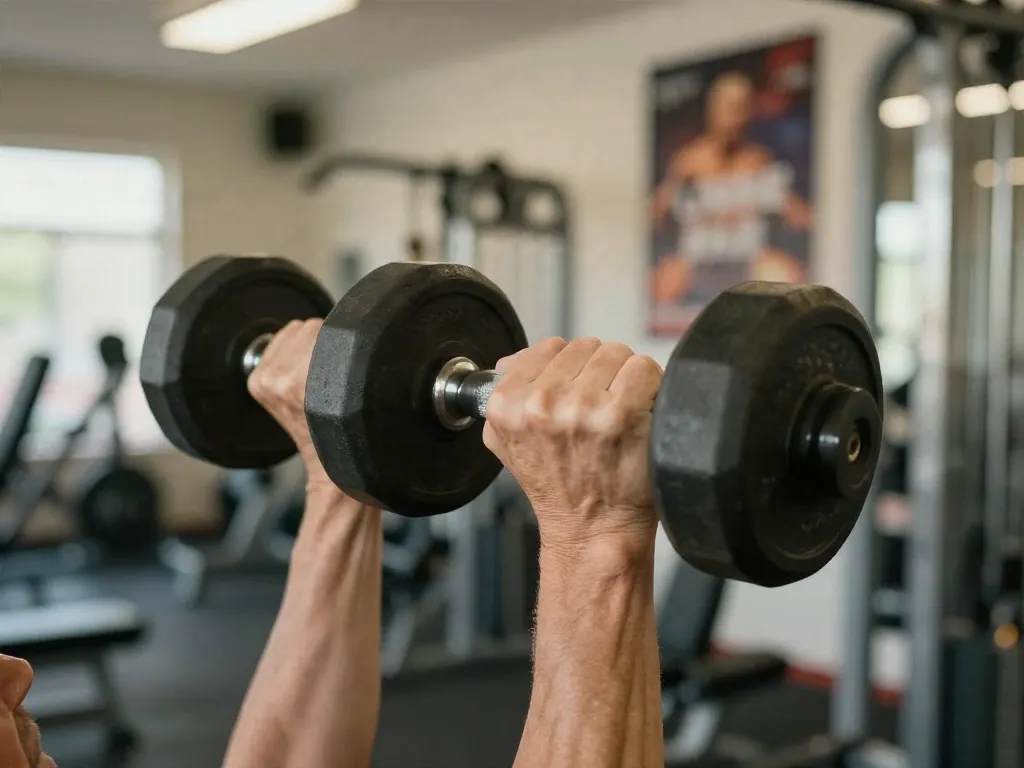
As we age, maintaining our physical health becomes increasingly critical. For individuals over 40, the importance of resistance training cannot be overstated. This section will explore how muscle mass declines after this age, the role hormones play, and how lifestyle choices contribute to muscle loss.
Understanding Sarcopenia
Sarcopenia is a medical term that refers to the age-related loss of muscle mass and strength. Research shows that starting around the age of 30, individuals can lose approximately 3% to 5% of muscle mass per decade, and this rate accelerates after the age of 60. This decline can lead to significant functional impairments, increased risk of falls, and dependency on others for daily activities.
For example, a 70-year-old may find that they have lost 30% to 50% of their muscle mass compared to their younger selves. This loss not only affects physical appearance but also impacts overall health, mobility, and quality of life. Understanding sarcopenia is essential for anyone approaching or surpassing the age of 40, as it highlights the necessity of proactive measures to combat muscle loss.
The Role of Hormones in Muscle Maintenance
Hormonal changes are a significant factor in the decline of muscle mass after 40. Testosterone and growth hormone, vital for muscle repair and growth, decline with age. For men, testosterone levels can drop by about 1% per year after the age of 30. Women experience a more dramatic hormonal shift during menopause, leading to a decrease in estrogen, which is crucial for muscle maintenance.
This hormonal imbalance affects muscle protein synthesis, making it harder to build and maintain muscle mass. In fact, studies have shown that lower levels of testosterone are associated with decreased muscle strength and mass, reinforcing the importance of resistance training to counteract these changes.
Impact of Lifestyle Choices on Muscle Loss
Lifestyle choices play a crucial role in muscle health as we age. Sedentary behavior is a significant contributor to muscle loss. A study published in the Journal of Aging Research found that older adults who engage in little to no physical activity can lose up to 5% of their muscle mass each year.
Furthermore, poor nutrition can exacerbate muscle loss. Insufficient protein intake is particularly detrimental, as protein is essential for muscle repair and growth. Adults over 40 should aim for at least 1.2 to 2.0 grams of protein per kilogram of body weight daily, depending on their activity level. Incorporating high-quality protein sources like lean meats, dairy, legumes, and nuts into meals can help mitigate muscle loss.
Benefits of Resistance Training for Aging Bodies
Given the challenges posed by aging, resistance training emerges as a vital tool for maintaining health and vitality after 40. This section delves into the numerous benefits of engaging in resistance training.
Enhancing Muscle Strength and Endurance
Resistance training is one of the most effective ways to enhance muscle strength and endurance. A well-structured program can lead to significant improvements in muscle mass and function. According to the American College of Sports Medicine, older adults who engage in resistance training can increase muscle strength by 20% to 40% within just a few months.
For instance, a study involving older women showed that those who participated in a 12-week resistance training program reported not only increased strength but also improved endurance during daily activities such as climbing stairs and carrying groceries. The incorporation of exercises such as squats, deadlifts, and push-ups can lead to functional improvements that enhance quality of life.
Improving Bone Density and Joint Health
Resistance training significantly impacts bone health, particularly crucial for older adults susceptible to osteoporosis. Weight-bearing exercises stimulate bone formation and increase bone density, reducing the risk of fractures. Research indicates that individuals who engage in regular resistance training can increase bone mineral density by 1% to 3% per year, effectively counteracting age-related bone loss.
Moreover, resistance training can improve joint health by strengthening the muscles surrounding the joints, thereby providing better support and stability. Exercises like leg presses and seated rows can help reduce the risk of arthritis and joint pain, promoting overall mobility and functionality.
Boosting Metabolic Rate and Weight Management
As metabolism naturally slows with age, resistance training becomes crucial for weight management. Muscle tissue burns more calories at rest than fat tissue, meaning that increasing muscle mass through resistance training can enhance metabolic rate. According to a study published in Obesity, older adults who engaged in resistance training showed a significant increase in resting metabolic rate compared to those who did not.
This boost in metabolism can assist in preventing weight gain, which is a common concern after 40. For example, incorporating two to three sessions of resistance training per week can help individuals maintain or even lose weight while also improving body composition by reducing fat mass and increasing lean muscle mass.
Resistance Training and Chronic Disease Prevention
Resistance training is not only beneficial for physical strength but also serves as a preventive measure against chronic diseases. This section will explore how engaging in regular resistance training can reduce the risk of various health issues.
Reducing the Risk of Cardiovascular Disease
Heart disease is one of the leading causes of death among older adults. Engaging in resistance training has been shown to improve cardiovascular health by reducing blood pressure, improving cholesterol levels, and enhancing overall heart function. A meta-analysis published in the Journal of American Heart Association found that individuals who participated in regular resistance training experienced a 40% to 70% reduction in cardiovascular disease risk.
Additionally, strength training can improve circulation and enhance vascular health, making it a vital component of a heart-healthy lifestyle. For instance, incorporating exercises such as bench presses and rows can aid in improving upper body strength, further promoting cardiovascular efficiency.
Managing Diabetes through Improved Insulin Sensitivity
Resistance training plays a crucial role in managing diabetes, particularly type 2 diabetes, which is more prevalent in individuals over 40. Regular strength training can enhance insulin sensitivity, allowing the body to utilize glucose more effectively. Research from the Diabetes Care Journal indicates that resistance training can significantly lower blood sugar levels and improve glycemic control in older adults.
For example, a study found that participants who engaged in resistance training two to three times a week saw a 20% reduction in fasting blood glucose levels. This improvement can reduce the risk of diabetes-related complications and promote overall health.
Combating Osteoporosis and Its Consequences
Osteoporosis is a condition characterized by weakened bones, which significantly increases the risk of fractures. Resistance training is a proven method to combat osteoporosis, as it encourages bone density through mechanical loading. The National Osteoporosis Foundation recommends strength training at least twice a week for older adults to help maintain bone health.
For instance, individuals who engage in weight-bearing exercises like squats, lunges, and resistance band workouts can improve their bone density and lower their risk of osteoporotic fractures. Additionally, the focus on functional movements helps enhance balance and coordination, further reducing the risk of falls.
Psychological Benefits of Resistance Training After 40
Beyond the physical benefits, resistance training offers numerous psychological advantages, particularly for individuals over 40. This section will discuss how strength training can boost confidence, enhance mood, and foster social interaction.
Boosting Confidence and Self-Esteem
Achieving fitness goals through resistance training can significantly boost self-confidence and self-esteem. As individuals notice improvements in their strength and physique, they often feel more empowered and capable. A study from the Journal of Sports Psychology found that older adults who participated in resistance training reported higher self-esteem levels and improved body image.
For example, an individual who starts lifting weights may initially struggle but, over time, can achieve notable strength gains. This journey not only transforms their body but also instills a sense of accomplishment and confidence that extends beyond the gym.
Enhancing Mood and Mental Well-Being
Resistance training has been linked to improved mood and mental well-being. Exercise releases endorphins, known as the "feel-good" hormones, which can help alleviate feelings of anxiety and depression. A systematic review published in the Journal of Clinical Psychology revealed that resistance training can be as effective as traditional aerobic exercise in reducing symptoms of depression.
For instance, individuals who incorporate strength training into their routine often report feeling more energetic and positive. This shift in mood can contribute to a more active lifestyle, creating a positive feedback loop that promotes overall health.
Social Interaction through Group Training
Participating in group resistance training classes can also provide valuable social interaction. Many older adults may face social isolation, making it essential to find opportunities for engagement. Group training fosters a sense of community, support, and camaraderie.
Joining classes such as BodyPump or TRX can create friendships and social networks, enhancing emotional well-being. The shared experience of working towards fitness goals can build connections that promote a sense of belonging and motivation.
Starting a Safe and Effective Resistance Training Program
For those over 40 considering resistance training, it's essential to start a safe and effective program. This section outlines steps to assess readiness, select exercises, and create a sustainable training schedule.
Assessing Physical Readiness and Health Conditions
Before beginning any resistance training program, it is crucial to assess physical readiness and consult with a healthcare provider, especially if there are pre-existing health conditions. A thorough physical examination can help identify any limitations or contraindications.
For instance, individuals with joint issues or chronic pain may require modifications to their training programs. A physical therapist or certified personal trainer can offer valuable guidance in assessing readiness and developing a tailored program that considers individual health needs.
Selecting Appropriate Exercises and Equipment
Choosing the right exercises and equipment is essential for an effective resistance training program. Beginners should start with bodyweight exercises such as squats, push-ups, and lunges before progressing to weights. Using resistance bands can also be a great way to build strength safely.
As individuals become more comfortable, they can incorporate free weights or machines. Compound movements like deadlifts, bench presses, and rows are particularly effective as they engage multiple muscle groups, promoting overall strength.
Creating a Sustainable Training Schedule
To reap the benefits of resistance training, it's essential to establish a sustainable schedule. The American Heart Association recommends at least two days of strength training per week, allowing for adequate recovery time between sessions.
For example, an individual might choose to train on Monday and Thursday, focusing on different muscle groups each session. Including flexibility and balance exercises, such as yoga or Pilates, can further enhance fitness and reduce the risk of injury.
Creating a consistent routine not only promotes physical health but also helps develop discipline and commitment, contributing to long-term success.
In conclusion, resistance training is essential for individuals over 40, offering numerous benefits for muscle maintenance, chronic disease prevention, and psychological well-being. By understanding the importance of strength training and implementing safe practices, older adults can significantly enhance their quality of life and enjoy a healthier, more active lifestyle.



Comments
No comments yet.
Leave a comment