
The Nature of Luxury Car Warranties
Definition and Scope of Luxury Car Warranties
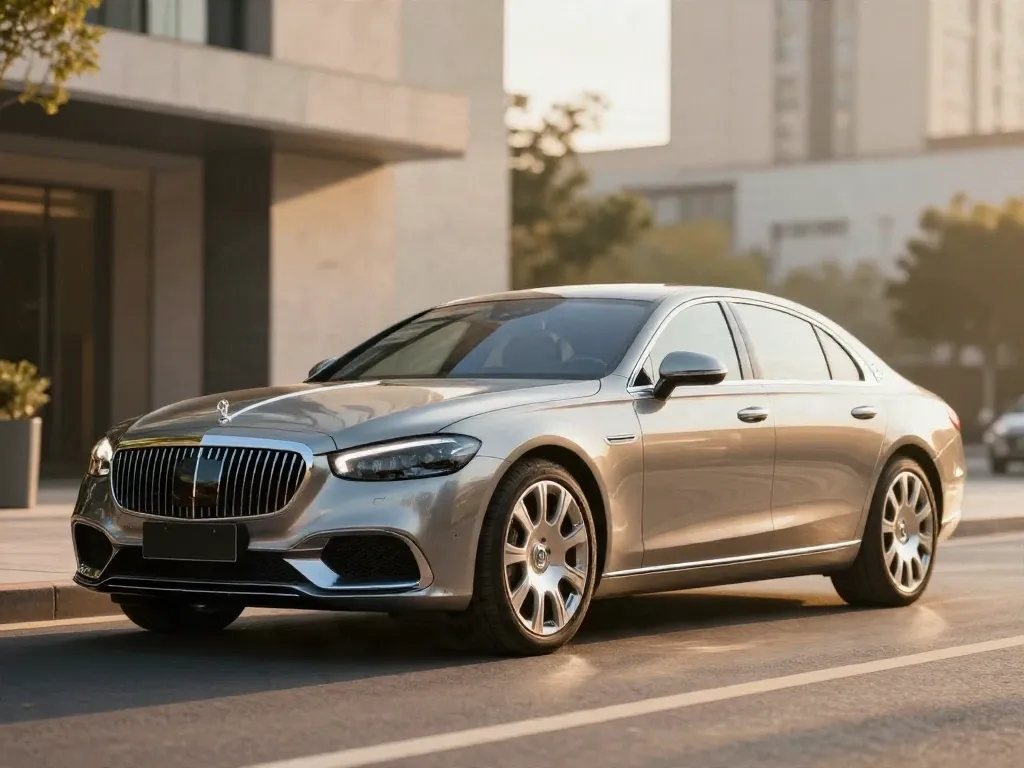
Luxury car warranties are specialized agreements that cover specific repairs and services for high-end vehicles. These warranties often extend beyond the basic coverage provided by standard car warranties, reflecting the premium nature of luxury brands such as Mercedes-Benz, BMW, Audi, and Lexus. Typically, luxury car warranties encompass the cost of parts and labor for defects in materials and workmanship, as well as certain manufacturer-specified maintenance services.
Common Inclusions in Luxury Car Warranties
When purchasing a luxury vehicle, owners can generally expect the following inclusions within their warranty:
- Basic Coverage: This often includes bumper-to-bumper coverage for a specified period, usually three to four years or a certain mileage (e.g., 50,000 miles).
- Powertrain Coverage: Often extending up to five years or 70,000 miles, this covers critical components such as the engine, transmission, and drivetrain.
- Roadside Assistance: Many luxury car warranties come with complimentary roadside assistance for the duration of the warranty.
- Scheduled Maintenance: Some luxury brands include complimentary or discounted scheduled maintenance services, covering oil changes, fluid checks, and tire rotations.
Differences from Standard Car Warranties
Luxury car warranties differ from standard car warranties in several critical ways:
- Duration and Mileage Limits: Luxury warranties often provide longer terms and higher mileage limits compared to standard warranties, sometimes offering up to six years or 100,000 miles.
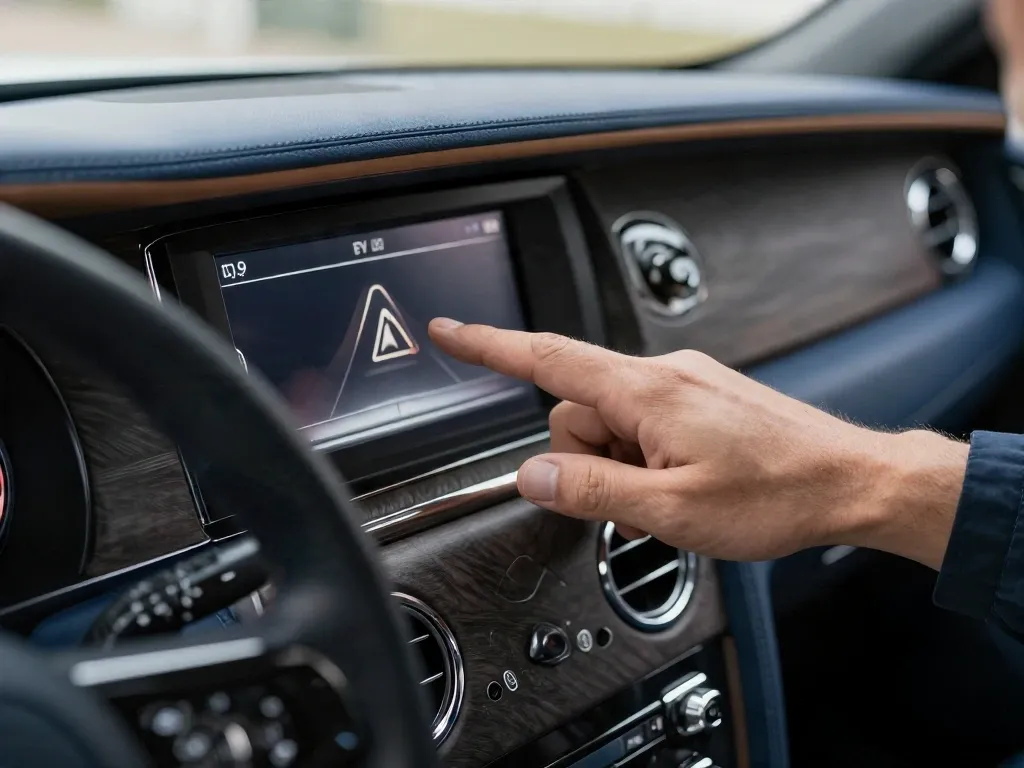
- Comprehensive Coverage: Luxury warranties typically cover more intricate systems, such as advanced electronics and high-performance features, whereas standard warranties focus more on essential components.
- Service Quality: Luxury brands often guarantee a higher level of service quality through their authorized dealerships, including specialized technicians trained to work on high-end models.
Exclusions in Luxury Car Warranties
Typical Repairs Not Covered
Despite their extensive coverage, luxury car warranties often exclude several common repairs, which can lead to unexpected out-of-pocket expenses for owners. Common exclusions include:
- Wear and Tear: Items such as brake pads, tires, and windshield wipers are typically excluded as they are considered consumable parts that wear down with use.
- Environmental Damage: Damage caused by weather conditions, such as rust or corrosion, is often not covered.
- Accidental Damage: Repairs resulting from accidents, misuse, or neglect are generally excluded from coverage.
- Modifications and Customizations: Any aftermarket modifications or customizations made to the vehicle can void warranty coverage for related repairs.
Reasons for Exclusion of Common Repairs
There are several reasons why luxury car warranties exclude these common repairs:
- High Cost of Replacement Parts: Luxury vehicles often utilize specialized parts that are significantly more expensive than those used in standard vehicles. Manufacturers aim to manage costs and risk by limiting coverage on parts that are expected to wear out.
- Encouragement of Proper Maintenance: By excluding wear-and-tear items, manufacturers encourage owners to maintain their vehicles properly and adhere to recommended service schedules.
- Value Retention: Manufacturers often exclude certain repairs to maintain the perceived value of their vehicles. By limiting warranty coverage, they can promote the idea that luxury vehicles are built to a higher standard, reducing the likelihood of common issues.
Impact of Exclusions on Owners' Costs
The exclusions in luxury car warranties can lead to significant financial implications for owners. For instance, replacing brake pads on a luxury vehicle can cost between $300 to $800, depending on the make and model. Similarly, a full set of tires for a luxury car can range from $800 to $2,000. These expenses, which owners might expect to be covered under warranty, can add up quickly, leading to dissatisfaction with the warranty terms.
Manufacturer Perspectives on Warranty Terms
Risk Management and Financial Considerations
From a manufacturer's perspective, developing a luxury car warranty involves balancing risk management and financial considerations. By excluding common repairs, manufacturers can minimize their potential liability. The cost of warranty claims can significantly impact profitability, especially when luxury vehicles have higher warranty claim rates due to their complex technology and parts. For example, a manufacturer might analyze historical data showing that certain repairs occur frequently enough to warrant exclusion from warranty coverage.
High-Performance Parts and Service Limitations
Luxury vehicles often feature high-performance parts that require specialized knowledge and tools for repair. Manufacturers may choose to exclude certain repairs due to the complexity and high cost associated with these components. For instance, a luxury car's adaptive suspension system may require a unique calibration that is not covered under warranty if damaged due to owner neglect. This limitation helps manufacturers control repair costs while ensuring that only authorized service centers handle complex repairs.
Market Positioning and Brand Perception
Luxury brands rely heavily on their market positioning and brand perception. Exclusions in warranty coverage can serve as a marketing tool, reinforcing the notion that luxury vehicles are superior and less prone to common issues. By limiting coverage, manufacturers can create a narrative that emphasizes the durability and exclusivity of their products. This strategy can help maintain high resale values and attract a clientele willing to invest in premium vehicles.
Consumer Expectations and Misunderstandings
Perception of Luxury and Coverage Expectations
Many luxury car owners enter into vehicle purchases with high expectations regarding warranty coverage. They often believe that the premium price tag should correlate with comprehensive warranty protection. However, the reality is that exclusions can lead to disappointment and frustration. A luxury car buyer might assume that because they are investing in a high-end product, all repairs should be covered, including those typically categorized as wear-and-tear items.
Common Misconceptions About Warranty Coverage
There are several misconceptions that can lead to misunderstandings about luxury car warranties:
- All Repairs Are Covered: Many consumers mistakenly believe that luxury warranties cover all repairs, not realizing that wear-and-tear items and environmental damages are excluded.
- Extended Warranties Offer Comprehensive Coverage: Some owners think that purchasing an extended warranty will fill in the gaps of their existing coverage. However, many extended warranties mirror the exclusions of the original warranty, meaning that common repairs may still not be covered.
- Brand Loyalty Equals Better Coverage: Consumers may think that staying loyal to a specific brand guarantees better warranty terms, but this is not always the case; exclusions can be consistent across many luxury brands.
Consumer Education and Awareness Initiatives
To combat these misunderstandings, manufacturers and dealerships should prioritize consumer education regarding warranty terms and conditions. Providing detailed documentation about what is and isn't covered, along with clear examples, can help set realistic expectations. For example, dealerships could offer workshops or informational sessions that highlight typical exclusions and encourage proactive maintenance strategies to mitigate potential expenses.
Alternatives and Solutions for Luxury Car Owners
Extended Warranties and Third-Party Options
For luxury car owners looking for additional protection, extended warranties and third-party options can provide an alternative solution. Extended warranties may offer coverage for common repairs, but owners should carefully review the terms to understand any exclusions. Third-party warranty companies like Endurance or CarShield also provide customizable plans that might better suit the needs of luxury car owners. However, it’s crucial to research the reputation and reliability of these providers.
Regular Maintenance and Preventative Care Strategies
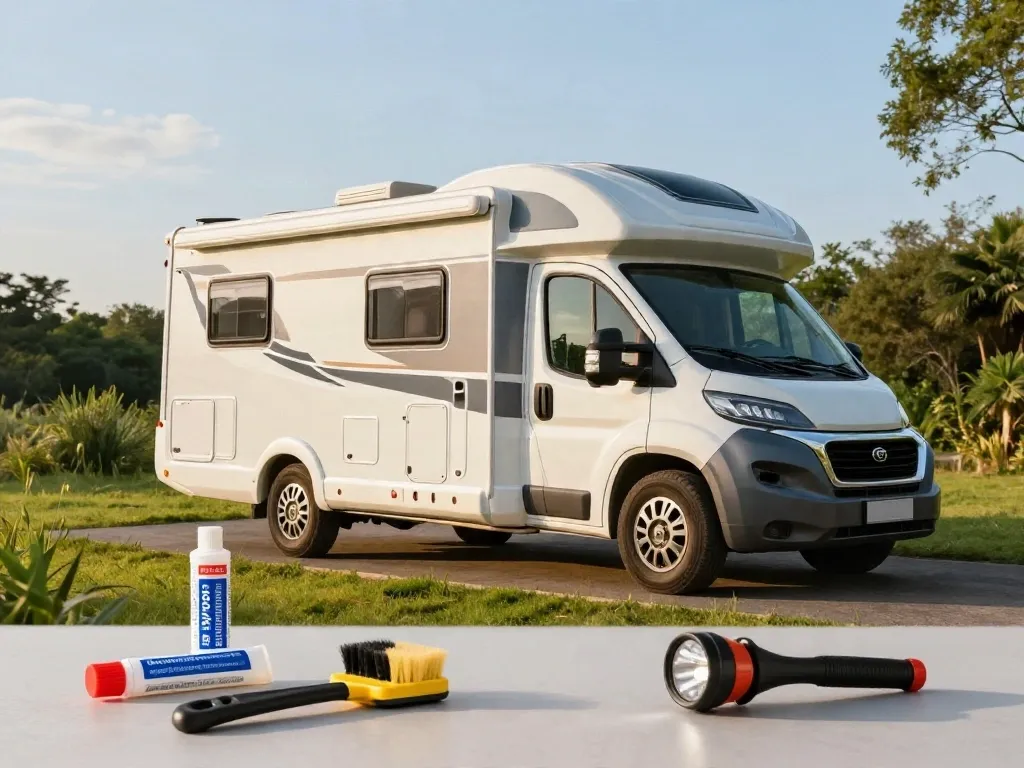
Luxury car owners can minimize repair costs by adhering to a regular maintenance schedule and employing preventative care strategies. Simple actions such as timely oil changes, brake inspections, and tire rotations can prolong the lifespan of critical components and reduce the likelihood of costly repairs. Many luxury brands offer maintenance packages that can save owners money while keeping their vehicles in optimal condition.
How to Navigate Warranty Limitations Effectively
Navigating warranty limitations requires a strategic approach. Luxury car owners should:
- Thoroughly Review Warranty Documents: Understanding what is covered and what is not can help owners plan for potential expenses.
- Keep Detailed Maintenance Records: Documenting all maintenance and repairs can provide leverage when negotiating with manufacturers or service providers.
- Consult with Experts: Engaging with trusted mechanics or service advisors familiar with luxury vehicles can provide insights into common issues and how to address them cost-effectively.
Comments
No comments yet.
Leave a comment