
The Nature of Reactivity in Dogs
Reactivity in dogs is a complex behavioral issue that manifests as aggressive or overly excited responses to specific stimuli. Understanding the nuances of reactivity is crucial for developing effective training strategies. This article will explore why reactive dog training requires different approaches by delving into the nature of reactivity, examining various training techniques, and emphasizing the importance of the environment and professional assistance.
Understanding the Triggers of Reactivity
Reactivity often stems from a variety of triggers, including environmental factors, other animals, unfamiliar people, or loud noises. Identifying these triggers is the first step in addressing reactivity. For example, a dog may react aggressively toward other dogs due to fear or a past negative experience. Common triggers include:
- Other dogs
- People wearing hats or sunglasses
- Children playing
- Fast-moving vehicles or bicycles
Each dog has unique triggers, and they can be influenced by previous experiences and socialization. For instance, a dog that was attacked by another dog may develop a heightened reactivity toward all dogs, regardless of their demeanor. Understanding these triggers allows trainers and dog owners to develop tailored training programs.
Emotional Responses and Their Impact
Emotional responses play a significant role in a dog's reactivity. When faced with a trigger, dogs may experience intense emotions such as fear, anxiety, or frustration. These emotional responses can lead to behaviors such as barking, lunging, or growling. Understanding these emotions is essential for trainers to approach reactivity with empathy and appropriate techniques.
For example, if a dog reacts aggressively towards other dogs, it may be displaying fear-based aggression rather than an inherent desire to attack. Recognizing this emotional undercurrent allows trainers to implement strategies that focus on building confidence and reducing fear, rather than merely suppressing aggressive behavior.
The Role of Breed and Temperament
Breed and individual temperament also influence how a dog reacts to stimuli. Certain breeds, such as Border Collies and German Shepherds, may have predispositions toward guarding or herding behaviors, leading to increased reactivity. Additionally, temperament varies widely among individual dogs, even within the same breed. Factors such as age, past experiences, and socialization history all contribute to a dog's reactivity.
For example, a highly energetic and intelligent breed may require more mental stimulation and physical exercise to reduce reactivity. Conversely, a more timid breed may benefit from a gentler approach that emphasizes building trust and confidence. Understanding these breed-specific traits and individual temperaments is crucial for customizing training approaches that resonate with the dog's unique needs.
Comparative Analysis of Training Techniques
Reactive dog training necessitates a variety of techniques tailored to the specific needs of each dog. This section compares different training methods, focusing on positive reinforcement, negative reinforcement, desensitization, and counter-conditioning strategies.
Positive Reinforcement vs. Negative Reinforcement
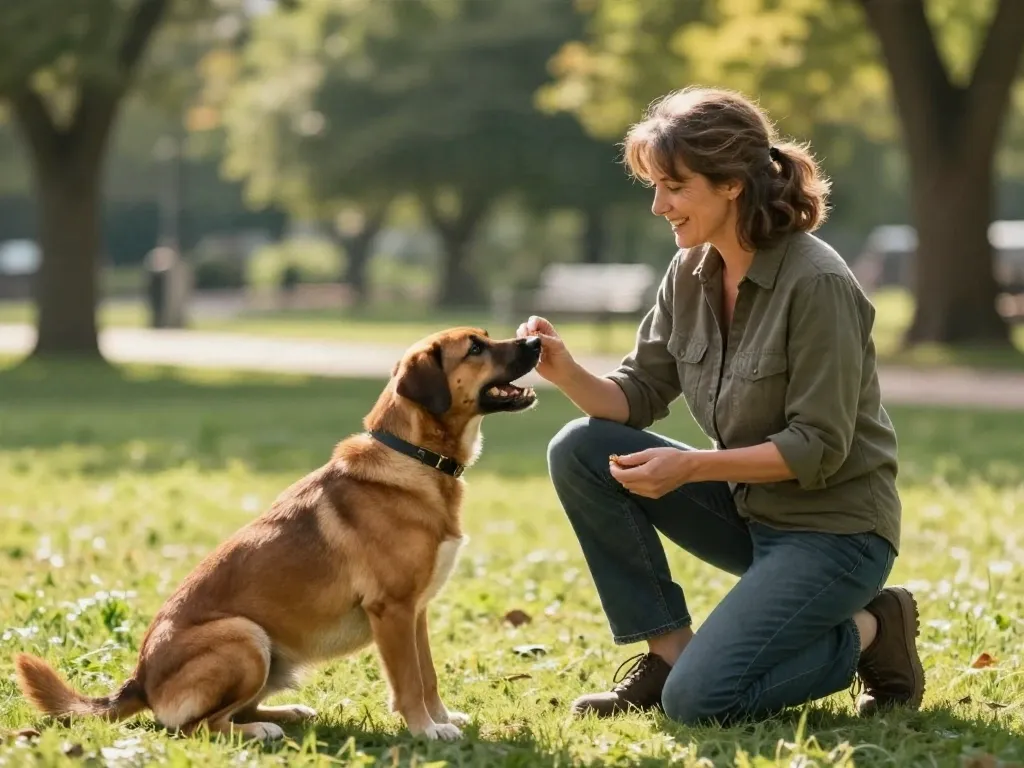
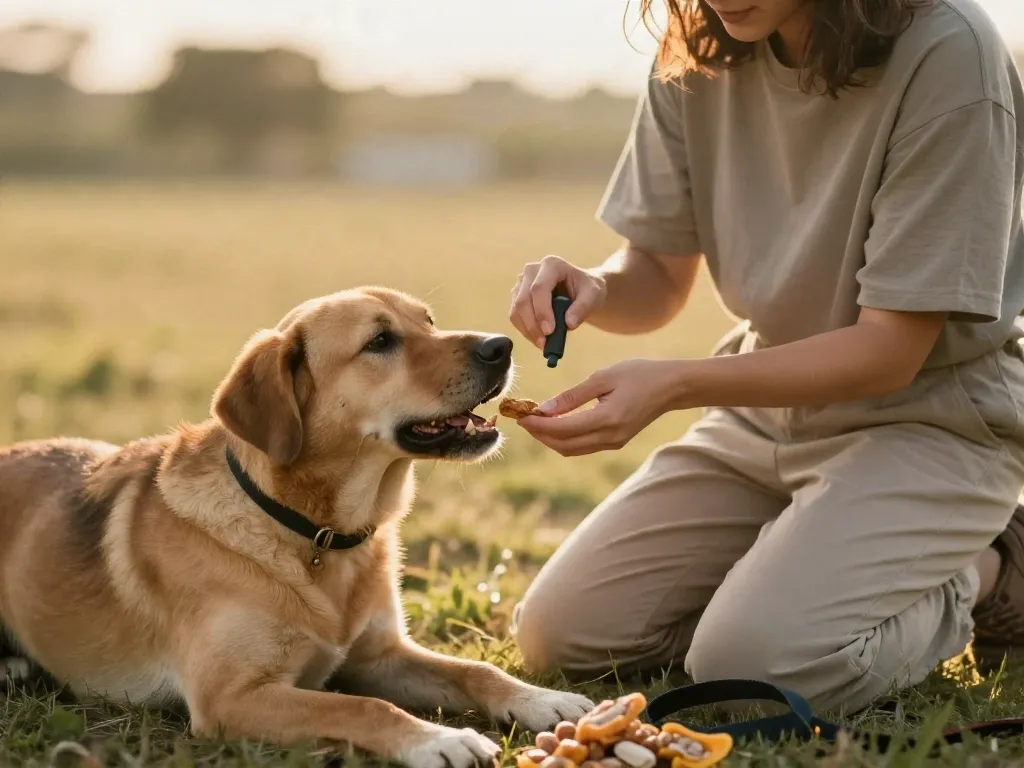
Positive reinforcement involves rewarding desired behaviors to encourage their repetition. This method is particularly effective for reactive dogs, as it fosters a positive association with previously triggering stimuli. For example, if a dog remains calm while passing another dog, offering treats or praise reinforces that calm behavior.
On the other hand, negative reinforcement involves removing an unpleasant stimulus in response to a desired behavior. While this method can be effective in certain situations, it is often less suitable for reactive dogs, as it can exacerbate fear and anxiety. For instance, using an electronic collar to correct unwanted behavior may instill further fear instead of addressing the root cause of reactivity.
Desensitization and Counter-Conditioning Strategies
Desensitization and counter-conditioning are closely related techniques that can be particularly beneficial for reactive dogs. Desensitization involves gradually exposing a dog to its triggers at a distance where it feels safe, gradually decreasing the distance over time. For example, if a dog reacts to other dogs, the owner might start by observing another dog from a distance, rewarding calm behavior with treats.
Counter-conditioning complements desensitization by changing the dog’s emotional response to the trigger. For instance, if a dog enjoys treats, pairing the sight of another dog with high-value treats can help the dog associate the presence of other dogs with positive experiences. This method requires patience and consistency but can lead to significant improvements in reactivity over time.
Adjusting Techniques for Individual Dogs
No two dogs are the same, and what works for one may not work for another. It is essential to assess each dog's individual needs, triggers, and emotional responses when adjusting training techniques. For instance, a shy dog may benefit from a more gradual and gentle approach, while a more assertive dog may require a firmer stance combined with positive reinforcement.
Additionally, recognizing when to introduce new techniques or modify existing ones is crucial. A dog that shows signs of stress or anxiety may need a break from training or an adjustment in the training environment. Regular assessment of a dog's progress will allow owners to tailor their strategies effectively.
The Importance of Environment in Training
The training environment significantly impacts a reactive dog's ability to learn and adapt. A controlled setting can help minimize distractions and create a safe space for the dog to focus on training. This section discusses the importance of creating controlled training settings, managing real-world distractions, and establishing safe spaces for reactive dogs.
Creating Controlled Training Settings
Controlled environments, such as quiet parks or indoor training facilities, provide an ideal backdrop for training reactive dogs. These settings minimize external stimuli that can trigger reactivity, allowing dogs to concentrate on learning new behaviors. For example, using a training facility equipped with soundproofing and minimal distractions can facilitate focused training sessions.
Owners can also set up controlled environments at home by practicing training exercises in a quiet room away from distractions. Gradually introducing the dog to more stimulating environments can help prepare it for real-world situations while maintaining a focus on training.
Managing Real-World Distractions
While controlled environments are beneficial, training should also occur in real-world settings to ensure dogs can generalize their learned behaviors. This process involves gradually introducing distractions and managing them effectively. For instance, if a dog reacts to passing cars, owners can practice in areas with low traffic before moving to busier streets.
Using tools such as a long leash can help maintain control while allowing dogs to experience their environment. Gradual exposure to new stimuli, combined with positive reinforcement, can help dogs learn to remain calm and focused, even amidst distractions.
Safe Spaces for Reactive Dogs
Creating safe spaces for reactive dogs is essential for their well-being during the training process. A safe space is an area where the dog can retreat when feeling overwhelmed or anxious. This could be a designated room in the house, a crate, or a calming corner with familiar toys and bedding.
Providing a safe space allows dogs to decompress and self-soothe, which is critical after exposure to triggers. This safe retreat can help dogs process their emotions and reduce stress, ultimately supporting their overall training journey.
The Role of Professional Assistance
While many dog owners may feel equipped to handle training challenges on their own, the complexity of reactivity often necessitates professional assistance. This section will discuss when to seek help from a trainer, how to choose the right trainer for reactive dogs, and the benefits of group classes versus private sessions.
When to Seek Help from a Trainer
Owners should consider seeking help from a professional trainer if they notice persistent reactivity despite training efforts, if the dog's behavior poses safety concerns, or if they feel overwhelmed by the challenges of training. A qualified trainer can provide tailored strategies, ensure safe training practices, and offer valuable insights into the dog's behavior.
For example, if an owner struggles to control their dog’s aggressive reactions during walks, a trainer can assess the situation and provide specific techniques to improve the dog's behavior. Additionally, if a dog shows signs of severe anxiety or fear, a trainer with experience in behavioral modification can significantly impact the dog’s training journey.
Choosing the Right Trainer for Reactive Dogs
Selecting a trainer who specializes in reactive dogs is crucial for effective training. Owners should look for trainers who employ positive reinforcement methods and have experience working with dogs exhibiting reactivity. Credentials, certifications, and client testimonials can also provide insight into a trainer's effectiveness.
For instance, trainers certified by organizations such as the Association of Professional Dog Trainers (APDT) or the International Association of Animal Behavior Consultants (IAABC) may have the knowledge and skills necessary to address reactivity. Additionally, asking about their approach to training and experience with similar cases can help owners make informed decisions.
Benefits of Group Classes vs. Private Sessions
Both group classes and private sessions have their advantages when training reactive dogs. Group classes can provide valuable socialization opportunities, allowing dogs to practice their skills in a controlled environment alongside other dogs. However, these classes may also be overwhelming for some reactive dogs.
Private sessions, on the other hand, offer personalized attention and tailored strategies for individual dogs. They allow trainers to focus on specific behaviors and challenges unique to each dog. Owners may find that a combination of both group classes and private sessions can yield the best results, depending on their dog's needs and progress.
Long-Term Strategies for Success
Achieving long-term success with reactive dogs requires commitment and ongoing effort. This section outlines strategies for building a consistent training routine, monitoring progress, and incorporating socialization opportunities.
Building a Consistent Training Routine
Establishing a consistent training routine is vital for reinforcing learned behaviors and reducing reactivity over time. Training sessions should be short, engaging, and frequent to maintain the dog's interest and focus. Owners should allocate time each day for training, gradually increasing the difficulty of exercises as the dog improves.
For instance, a daily routine may include basic commands, desensitization exercises, and controlled exposure to triggers. Consistency not only helps solidify training but also builds a stronger bond between the dog and the owner, further enhancing the training experience.
Monitoring Progress and Adjusting Approaches
Regularly monitoring a dog's progress is essential for determining the effectiveness of training strategies. Owners should keep track of improvements, setbacks, and any changes in behavior. This information will aid in adjusting techniques as needed, ensuring the training remains relevant to the dog's current state.
For example, if a dog shows significant improvement in its reactions to certain triggers, the owner can gradually introduce new challenges. Conversely, if a dog regresses, it may be necessary to revisit earlier techniques or modify the training environment. Being flexible and responsive to a dog's progress is key to long-term success.
Incorporating Ongoing Socialization Opportunities
Socialization is a critical component of training reactive dogs. Ongoing opportunities for controlled socialization help dogs learn to navigate various environments and situations. This can include organized playdates with well-mannered dogs, visits to pet-friendly stores, or attending community events.
By gradually exposing reactive dogs to social situations, owners can reinforce positive behaviors and reduce anxiety. It is essential to ensure that these socialization opportunities are controlled and positive, allowing dogs to build confidence in a safe manner.
In conclusion, understanding the unique approaches to reactive dog training is essential for effectively addressing reactivity. By recognizing the nature of reactivity, employing tailored training techniques, managing environmental factors, seeking professional assistance when needed, and implementing long-term strategies, dog owners can create a more harmonious and enjoyable relationship with their reactive companions.


Comments
No comments yet.
Leave a comment