
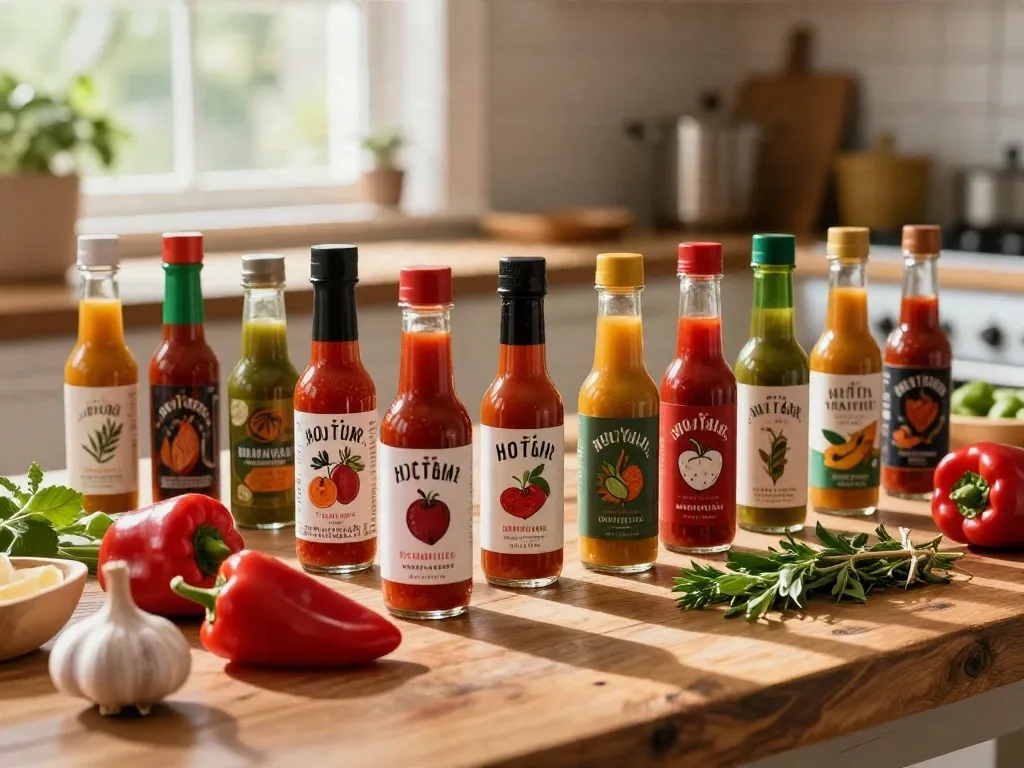
Initial Investment: Equipment and Supplies
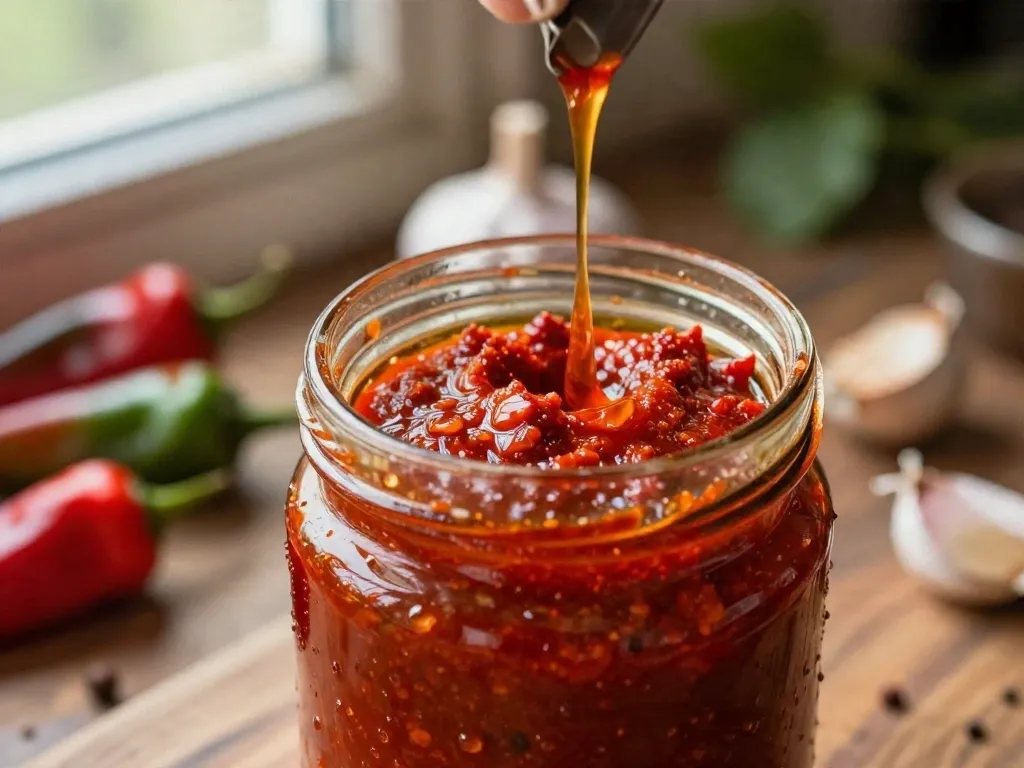
Starting a small-batch hot sauce business requires careful planning regarding initial investments in equipment and supplies. These costs can vary significantly based on your production scale, choice of ingredients, and desired packaging. Let's break down the essential components of your startup costs in this domain.
Essential Equipment for Hot Sauce Production
When launching a small-batch hot sauce business, the right equipment is crucial for producing quality products efficiently. Here’s a list of essential equipment you will need:
- Blenders or Food Processors: A high-power blender or food processor is essential for pureeing your ingredients. A commercial-grade model can cost between $300 and $700.
- Stovetop or Industrial Cookers: Depending on your batch size, you might need either a large stovetop or an industrial cooker, which can range from $500 to $3,000.
- Storage Containers: Food-safe containers for mixing and storing your hot sauce are necessary. Expect to spend $100 to $500 on various sizes.
- Bottling Equipment: A bottling machine or manual filling equipment is critical. Basic manual equipment can cost around $200, while semi-automated machines can run from $2,000 to $10,000.
- Cleaning Supplies: Maintaining a sanitary environment is vital. Allocate about $50 to $200 for cleaning supplies and sanitizers.
In total, starting equipment costs can range from $1,200 to over $15,000, depending on whether you opt for manual or automated solutions.
Ingredient Sourcing Costs
The quality of your hot sauce depends significantly on the ingredients you use. The cost of sourcing ingredients can vary based on their type, origin, and seasonal availability. Here are some common expenses:
- Chili Peppers: Depending on the variety (e.g., habanero, jalapeño, or ghost pepper), prices can range from $2 to $10 per pound. For a small batch, you might need 10 pounds, costing around $20 to $100.
- Vinegar: An essential component, good quality vinegar can cost between $3 and $10 per gallon. You may need 1 to 2 gallons for early batches.
- Other Ingredients: Garlic, onions, salt, and sugar can add up. Budget around $50 to $150 for various spices and additives.
Overall, ingredient sourcing can initially cost between $100 and $400, but this can increase based on your recipe complexity and ingredient quality.
Packaging and Labeling Expenses
Packaging is not just about aesthetics; it’s essential for preserving your hot sauce's quality and ensuring it sells well. Here’s a breakdown of potential costs:
- Bottles: Depending on size and design, glass bottles can cost anywhere from $0.50 to $2.00 each. For a batch of 100 bottles, expect to spend $50 to $200.
- Labels: Custom labels can cost between $0.10 and $0.50 each, resulting in $10 to $50 for 100 labels.
- Shipping Materials: If you plan on shipping your hot sauce, budget for boxes, padding, and other materials, which can range from $50 to $200.
In total, packaging and labeling expenses can add up to between $110 and $450, depending on your choices.
Regulatory Compliance: Licenses and Permits
Navigating the regulatory landscape is critical for any food-related business, particularly in the hot sauce industry, where safety and quality are paramount. Below are the necessary considerations for compliance.
Understanding Food Safety Regulations
The food industry is heavily regulated to ensure consumer safety. As a hot sauce producer, you must familiarize yourself with:
- FDA Regulations: The U.S. Food and Drug Administration (FDA) sets standards for food production, including labeling and safety protocols. You might need to register your facility with the FDA.
- Local Health Department Regulations: Each state has its own health department regulations regarding food production. This may require a health inspection and adherence to specific hygiene practices.
- Good Manufacturing Practices (GMP): Compliance with GMP ensures that your products are consistently produced and controlled according to quality standards.
Understanding these regulations is crucial and may require consulting with a food safety expert, which could cost between $500 and $2,000.
Cost of Required Permits
Depending on your location, the costs of permits and licenses can vary widely. Here’s a breakdown of typical expenses:
- Food Business License: This can range from $50 to $300, depending on your city or state.
- Health Department Permit: You may need to pay between $100 and $500 for a health inspection and permit.
- Sales Tax Permit: Some states require a sales tax permit, costing around $10 to $50.
In total, you should budget approximately $200 to $850 for licensing and permits.
Labeling and Nutritional Information Requirements
Labeling your hot sauce correctly is both a legal requirement and a marketing opportunity. Here are the costs associated:
- Nutritional Analysis: If you want to include nutritional information on your labels, you may need to conduct a nutritional analysis, which can cost between $100 and $500.
- Label Design: Hiring a graphic designer to create an attractive label can range from $300 to $2,000, depending on complexity and designer experience.
Overall, budgeting between $400 and $2,500 for labeling and nutritional requirements is advisable.
Marketing and Branding: Creating Your Identity
Establishing a strong brand identity is critical for standing out in the competitive hot sauce market. Your marketing expenses will significantly affect your startup costs.
Brand Development Costs
Your brand is your business's face and should resonate with your target market. Here’s what to consider:
- Brand Name Registration: If you want to trademark your brand name, it can cost anywhere from $225 to $600.
- Logo Design: A professional logo design can cost between $200 and $2,000, depending on the designer's experience and your specific needs.
- Brand Story Development: Investing in a compelling brand narrative can help connect with customers and may require hiring a consultant, ranging from $500 to $1,500.
In total, expect to spend between $925 and $4,100 on brand development.
Digital Marketing Expenses
In today's digital age, having a robust online presence is vital. Here are the costs associated with digital marketing:
- Website Development: A professional website can cost anywhere from $1,000 to $10,000, depending on complexity and design.
- Social Media Advertising: Depending on your budget, social media campaigns can range from $100 to $1,000 per month.
- Email Marketing Software: Platforms like Mailchimp can start free but may cost $10 to $300 monthly as your list grows.
Overall, anticipate spending approximately $1,200 to $15,000 for your digital marketing efforts, especially for initial campaigns.
Promotional Materials and Events
Participating in food fairs, festivals, or trade shows can be an excellent way to promote your hot sauce. Here's what you should consider:
- Event Fees: Booth fees for events can range from $100 to $1,500, depending on the event's size and location.
- Sample Costs: Providing samples can be an effective marketing strategy, which may cost between $50 and $300 for ingredients and packaging.
- Promotional Materials: Business cards, flyers, and brochures can add another $100 to $500.
In total, budget around $250 to $2,300 for promotional materials and events.
Production Costs: Scaling Your Operations
Once your hot sauce is ready for sale, you need to consider ongoing production costs as you scale your operations.
Batch Size and Production Efficiency
The size of your production batches can significantly influence costs. Here are a few points to keep in mind:
- Batch Size: Smaller batches may have higher per-unit costs due to lower economies of scale. For instance, producing 50 bottles may cost $2 per bottle, while producing 500 bottles may reduce the cost to $1 per bottle.
- Scaling Production: As demand grows, investing in larger equipment can lead to cost savings over time but requires upfront investment.
Overall, you should factor in how batch sizes can impact your production costs and pricing strategy.
Labor Costs for Production
Labor is a significant ongoing cost in any food production business. Consider the following:
- Initial Staffing: If you hire employees, expect to pay at least minimum wage plus benefits. For a small-scale operation, labor could cost around $15,000 to $30,000 annually for a part-time employee.
- Contract Labor: If you choose to outsource production, contract labor can be more expensive but may save you time and effort. Depending on the contract, costs can vary widely.
You should budget for labor costs based on your production scale and staffing needs.
Quality Control Measures and Their Expenses
Quality control is critical in food production to ensure safety and customer satisfaction. Here are some costs to consider:
- Testing for Quality: Regular testing for pH, acidity, and microbial presence can range from $100 to $500 per batch.
- Inspection Fees: If you hire third-party inspectors, fees can add an additional $200 to $1,000.
Expect to allocate around $300 to $1,500 for quality control measures.
Financial Planning: Budgeting for Growth
Proper financial planning is essential for the sustainability and growth of your small-batch hot sauce business.
Estimating Operational Costs
It’s crucial to have a clear understanding of your monthly operational costs, which can include:
- Rent: If you operate from a commercial kitchen, expect to pay between $500 and $2,000 monthly.
- Utilities: Budget for water, electricity, and gas, which can range from $100 to $500 monthly.
- Insurance: Business insurance may cost between $300 and $1,500 annually.
Summing these costs will give you a clearer picture of your financial commitments.
Funding Options for Startups
Funding your small-batch hot sauce business can come from various sources. Here are some common options:
- Personal Savings: Many entrepreneurs start with their savings, which can range from a few hundred to several thousand dollars.
- Small Business Loans: Traditional banks or credit unions may offer loans ranging from $5,000 to $50,000 based on your business plan and creditworthiness.
- Crowdfunding: Platforms like Kickstarter or Indiegogo can help raise funds, with successful campaigns generating anywhere from $5,000 to $100,000 or more.
Consider your funding options carefully to ensure you have the necessary capital to start and grow your business.
Long-term Financial Projections and Break-even Analysis
Creating financial projections is vital for understanding how and when you will become profitable. Here are some components to include:
- Projected Sales Revenue: Estimate your sales based on market research and your pricing strategy.
- Break-even Analysis: Calculate your break-even point by dividing your fixed costs by your price per bottle minus your variable costs per bottle. For example, if your fixed costs are $10,000 and your contribution margin is $2, you would need to sell 5,000 bottles to break even.
- Long-term Growth Goals: Set realistic growth targets based on industry trends and your business strategy.
Having a clear financial plan will guide your business decisions and help ensure long-term success.

Comments
No comments yet.
Leave a comment