
The Origins of Matcha and Its Cultural Significance
Historical Roots of Matcha in Japan
Matcha, a finely ground powder of specially grown and processed green tea leaves, has its roots deeply embedded in Japanese history. Its journey began in the Tang Dynasty (618-907 AD) in China, where it was first consumed as a tea. However, it was during the late 12th century that matcha was introduced to Japan by Zen Buddhist monks, specifically by the monk Eisai. He recognized its potential for enhancing meditation and focus, leading to its adoption in various cultural practices.
The cultivation of matcha flourished in Japan, particularly in Uji, a region near Kyoto known for its high-quality tea. By the 16th century, the beverage had gained prominence and was integrated into everyday life, evolving from a simple drink to a symbol of status and sophistication.
The Role of Matcha in Traditional Japanese Tea Ceremonies
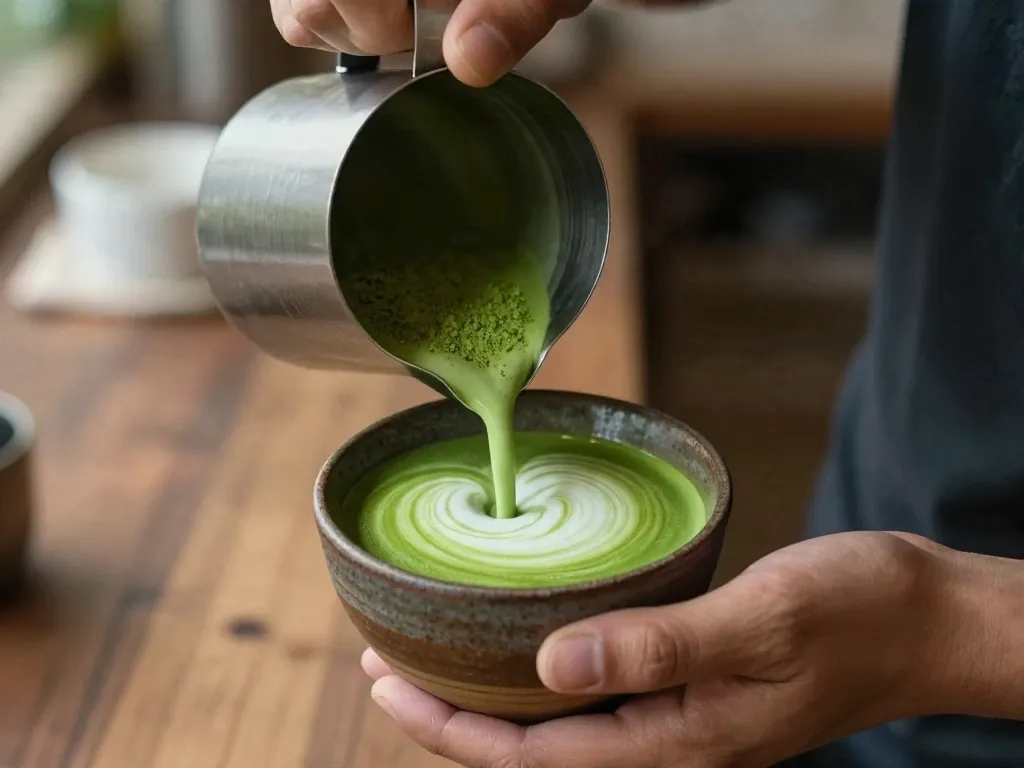
Matcha is central to the traditional Japanese tea ceremony, known as "chanoyu" or "sado." This ritualized practice emphasizes aesthetics, harmony, and respect, embodying the principles of Zen Buddhism. During these ceremonies, matcha is prepared with meticulous care, showcasing the skill of the tea master and the spiritual connection between the participants.
The utensils used, such as the chawan (tea bowl) and chasen (bamboo whisk), are often handcrafted and hold cultural significance. The act of preparing and serving matcha is not merely about consumption; it represents a moment of mindfulness and connection to Japanese heritage.
Symbolism of Matcha in Japanese Culture
Beyond its role in ceremonies, matcha symbolizes tranquility, balance, and the appreciation of nature. It reflects the Japanese ethos of "wabi-sabi," the beauty of imperfection and transience. The vibrant green color of matcha is often associated with vitality and rejuvenation, making it a revered element in Japanese culture. Furthermore, matcha's historical ties to Zen practices link it to meditation and mindfulness, enhancing its cultural significance.
The Rise of the Matcha Latte in Western Cafés
How the Matcha Latte Became Popularized
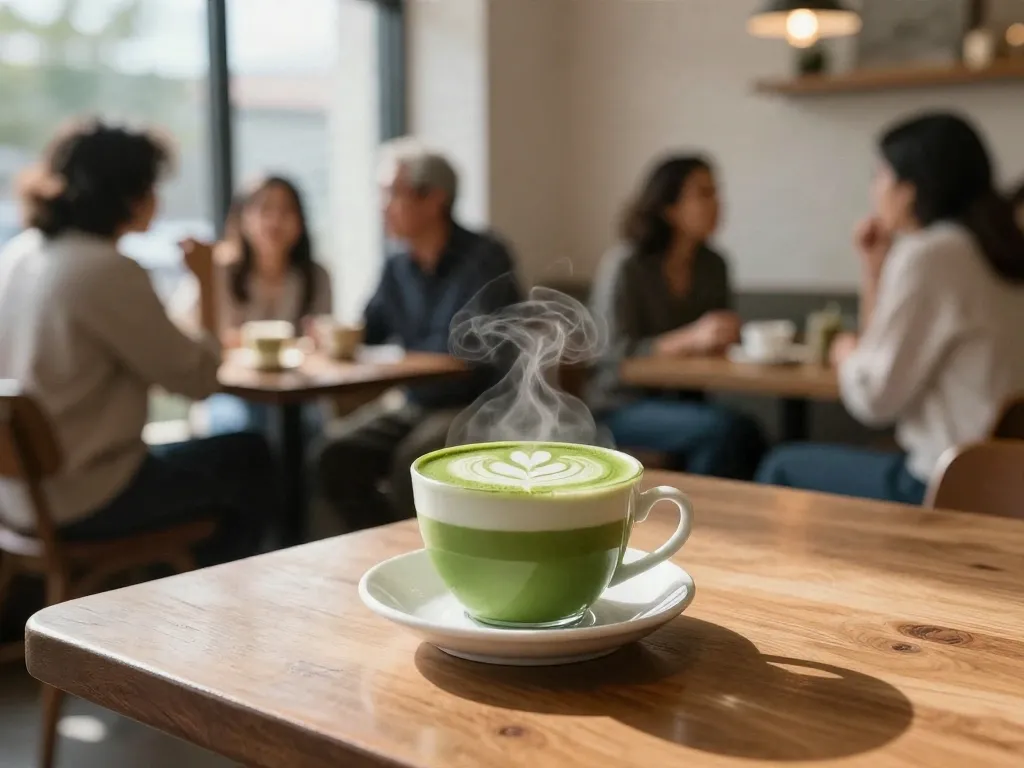
The transition of matcha from a traditional Japanese beverage to a trendy drink in Western cafés can be traced back to the early 2000s. As health consciousness grew, consumers began seeking alternatives to coffee and sugary beverages. Matcha, with its numerous health benefits—such as high antioxidant content, metabolism boost, and calming effects—captured the attention of health enthusiasts.
By the 2010s, the matcha latte, a blend of matcha powder, steamed milk (often dairy-free alternatives), and sweeteners, emerged as a staple menu item in specialty coffee shops. Notable chains like Starbucks introduced their own versions, further embedding matcha in mainstream culture.
The Transformation of Matcha into a Western Beverage
The matcha latte represents a significant transformation of traditional matcha into a Westernized beverage. The addition of milk and sweeteners alters the original experience, which is typically characterized by its earthy, umami flavor. This adaptation makes matcha more palatable for those unfamiliar with its distinct taste, but it also raises questions about authenticity and respect for the cultural roots of the beverage.
For instance, brands like MatchaBar have emerged, focusing on matcha-based drinks tailored to Western tastes while still promoting the cultural aspects of matcha through storytelling and education. However, this adaptation often leads to a diluted understanding of matcha's rich history and significance in Japanese culture.
Commercialization and the Influence of Social Media
Social media platforms, particularly Instagram, have played a pivotal role in popularizing the matcha latte. The vibrant green color and aesthetically pleasing presentations have made matcha lattes a favorite subject for influencers and food bloggers. This visual appeal has contributed to its rapid commercialization, with many cafés and brands vying for attention through creative matcha concoctions.
However, this commercialization comes with its own set of challenges. The focus on aesthetics often overshadows the cultural significance of matcha, leading to a commodification that many argue diminishes its value. The proliferation of matcha products—ranging from matcha-infused snacks to ready-to-drink matcha beverages—has sparked debates about the ethical implications of such commercialization.
Understanding Cultural Appropriation in Food
Defining Cultural Appropriation in Culinary Contexts
Cultural appropriation in culinary contexts refers to the adoption of elements from one culture by members of another, often without understanding or respecting the original cultural significance. This phenomenon can lead to the commodification of traditional foods, stripping them of their historical and cultural context.
In the case of the matcha latte, the appropriative aspect arises from its transformation from a Japanese cultural staple into a trendy beverage, often marketed without acknowledgment of its origins. This raises ethical questions about who has the right to profit from cultural practices and how these practices should be represented in different cultural contexts.
The Difference Between Appreciation and Appropriation
While appreciation involves a respectful engagement with another culture, cultural appropriation often involves a power imbalance, where the dominant culture extracts elements from a marginalized culture without proper acknowledgment or understanding. For example, enjoying matcha in a traditional ceremony would be an act of appreciation, while creating a commercial product that misrepresents or trivializes its significance may be viewed as appropriation.
Understanding this distinction is crucial, as it influences perceptions and reactions to the commercialization of cultural foods like matcha lattes. The line between appreciation and appropriation can be subjective and varies within different communities, making the conversation surrounding matcha lattes complex.
Case Studies of Cultural Appropriation in Food
Numerous examples highlight the nuances of cultural appropriation in food. The rise of "fusion" cuisine, while often celebrated for creativity, can sometimes lead to appropriation when it fails to honor the origins of the ingredients or dishes involved. For instance, the popularization of tacos in the U.S. saw many variations that diverged significantly from traditional Mexican recipes, often without acknowledgment of their roots.
Similarly, matcha lattes can be viewed through this lens. While the drink itself may be enjoyed by many, the absence of a cultural narrative and the lack of educational components can lead to a perception of insensitivity regarding its origins. It is essential to consider how these adaptations impact the communities from which they originate.
The Matcha Latte Debate: Perspectives from Different Communities
Voices from Japanese Cultural Experts
Japanese cultural experts often express concerns about the commercialization and Westernization of matcha. They emphasize the importance of maintaining the integrity of traditional practices and highlight the need for education about the cultural significance of matcha. These experts advocate for a more respectful approach that honors the origins of matcha and its place in Japanese society.
For example, cultural historian Dr. Katsuko Sato has spoken about the importance of understanding the nuances of matcha, asserting that its value extends beyond its health benefits. She emphasizes that the ritual surrounding matcha preparation is integral to its identity, and reducing it to a trendy beverage undermines its cultural heritage.
Reactions from Western Consumers and Baristas
Western consumers and baristas often have mixed feelings about the matcha latte debate. Many appreciate the flavors and health benefits of matcha, yet some are unaware of its cultural significance. Baristas, particularly those working in specialty coffee shops, are increasingly recognizing the importance of educating their customers about matcha's origins.
For instance, some cafés have begun to incorporate information about matcha's history on their menus or through staff training. This approach not only enhances the consumer experience but also fosters a greater understanding and respect for the cultural roots of the beverage. However, not all establishments take this route, leading to ongoing discussions about the responsibility of businesses in promoting cultural awareness.
Impact on Small Businesses versus Large Corporations
The commercialization of matcha lattes has different implications for small businesses versus large corporations. Small businesses often highlight the artisanal aspects of matcha, focusing on sourcing high-quality ingredients and respecting traditional practices. They may engage in storytelling to connect consumers with the cultural significance of matcha, thereby creating a more authentic experience.
In contrast, large corporations may prioritize profit margins and market trends, sometimes leading to a diluted representation of matcha. For example, when Starbucks launched its matcha latte, it sparked a wave of imitation from other chains, which often lacked the cultural context. This commodification can overshadow the efforts of small businesses striving to maintain authenticity and cultural respect.
Finding a Balance: Navigating Cultural Respect and Culinary Innovation
Best Practices for Respecting Cultural Origins
To navigate the complexities of cultural appropriation in food, it is essential for businesses and consumers to adopt best practices that respect cultural origins. These practices include:
- Education: Providing information about the cultural significance of matcha can enhance consumer understanding and appreciation.
- Sourcing: Supporting Japanese tea farmers and ensuring that matcha is sourced ethically can contribute to preserving traditional practices.
- Authenticity: Maintaining traditional preparation methods and flavors can honor the heritage of matcha.
Encouraging Authenticity in Menu Offerings
Restaurants and cafés can promote authenticity in their menu offerings by incorporating traditional elements and educating staff about the culture behind the dishes. For example, offering matcha in its traditional form alongside modern adaptations can provide consumers with a well-rounded experience. This approach allows for culinary innovation while respecting the cultural roots of the ingredients used.
Promoting Cross-Cultural Culinary Exchange Responsibly
Cross-cultural culinary exchange can be beneficial when approached responsibly. Encouraging collaboration between chefs from different backgrounds can lead to innovative dishes that honor both cultures. For example, fusion dishes that incorporate matcha in a way that respects its origins—such as matcha-infused desserts created by Japanese chefs—can foster appreciation without appropriation.
Additionally, hosting events that celebrate Japanese culture, such as matcha tasting workshops or tea ceremonies, can provide platforms for cultural exchange and understanding. These initiatives not only educate consumers but also promote respect for diverse culinary traditions.



Comments
No comments yet.
Leave a comment