
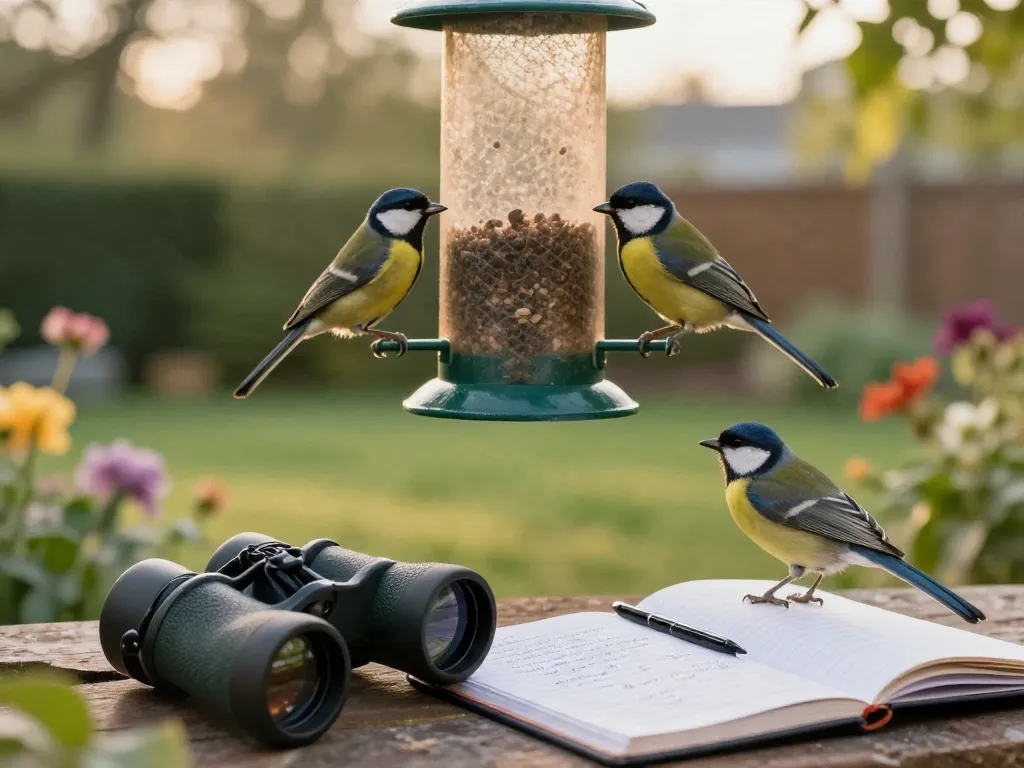
Understanding the Basics of Birding
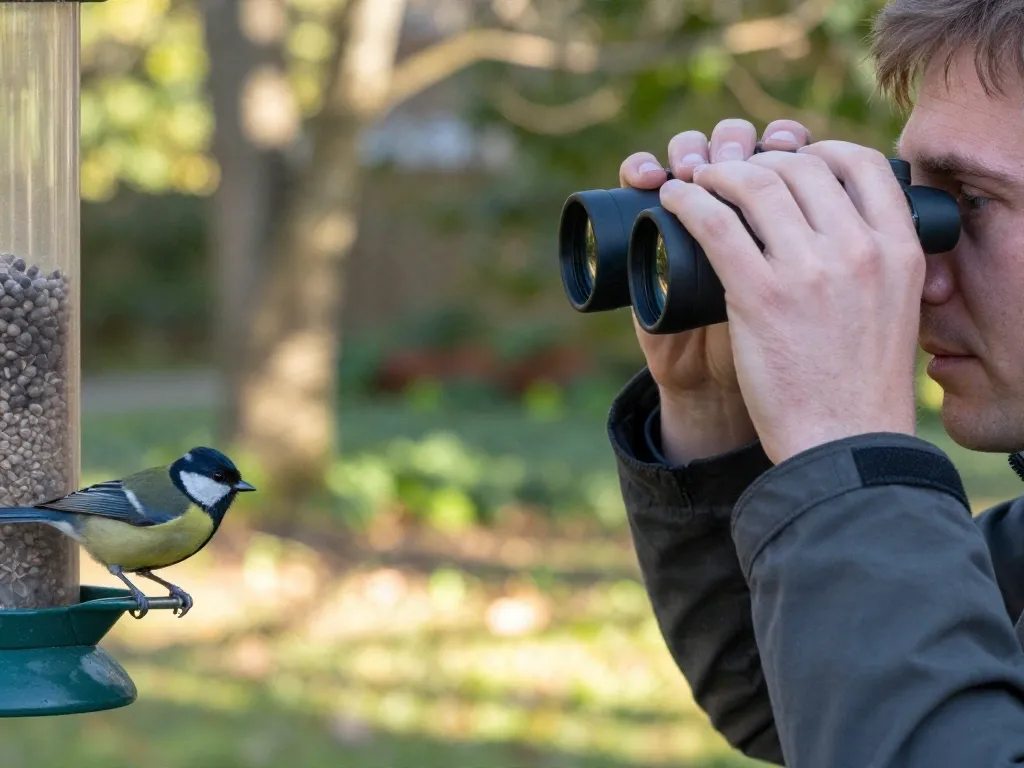
What is a Birding Life List?
A birding life list is a personal record that birdwatchers maintain to document the various bird species they have observed in their lifetime. This list can include birds seen in different locations, but for the purpose of this article, we will focus on creating a life list that is exclusive to your backyard. The act of compiling this list not only allows you to track your progress as a birdwatcher but also serves as a reflection of the biodiversity present in your immediate environment.
Why Start a Backyard Birding Life List?
Starting a backyard birding life list has numerous benefits. Firstly, it fosters a greater appreciation for nature and encourages you to observe the small details of your surroundings. Secondly, it can be a rewarding hobby that brings mental and emotional well-being through the connection with nature. Research indicates that spending time outdoors can reduce stress and improve mood. Lastly, maintaining a life list can also contribute to citizen science, as your observations may help with tracking bird populations and behaviors.
Essential Birding Terminology
Before diving into birdwatching, it's vital to familiarize yourself with some essential birding terminology:
- Field Mark: Distinctive features that help identify a bird species.
- Migration: Seasonal movement of birds from one region to another.
- Habitat: The natural environment where a particular species lives.
- Flock: A group of birds that live, feed, or travel together.
- Call: The vocalizations made by birds, which can aid in identification.
Preparing Your Backyard for Birdwatching
Creating a Bird-Friendly Environment
To attract birds to your backyard, it's essential to create a welcoming environment. Here are a few ways to achieve this:
- Water Sources: Install a birdbath or a small water feature. Birds need water for drinking and bathing. Ensure that the water is fresh and clean, changing it regularly.
- Shelter: Provide natural cover with shrubs, trees, and bushes. These offer shelter for birds to hide from predators and harsh weather.
- Nesting Sites: Consider adding birdhouses or nesting platforms. Different species have specific nesting preferences, so research which birds are common in your area.
Choosing the Right Feeders and Feed
Bird feeders are a vital component of attracting birds to your backyard. Here are some tips for selecting the right feeders and types of feed:
- Types of Feeders:Tube Feeders: Perfect for small birds like finches.
- Platform Feeders: Attract a wide variety of birds, including larger species.
- Suet Feeders: Great for attracting woodpeckers and other insect-eating birds.
Types of Feed:
- Sunflower Seeds: Highly attractive to many birds, including cardinals and jays.
- Nyjer Seed: Excellent for attracting finches.
- Suet Cakes: Provide high-energy food during colder months.
Incorporating Native Plants and Habitats
Incorporating native plants in your yard can significantly enhance your backyard birding experience. Native plants are adapted to the local environment and provide essential food and shelter for birds:
- Fruit-Bearing Plants: Consider planting berry-producing shrubs like elderberry or serviceberry, which attract various bird species.
- Nectar Plants: Flowers such as bee balm and coneflower attract hummingbirds and other pollinators.
- Grasses and Sedges: These can provide cover and nesting materials for various birds.
Tools and Resources for Bird Identification
Bird Guides and Field Guides
Having a good bird guide is essential for identifying the species you encounter. Some widely respected field guides include:
- The Sibley Guide to Birds: Comprehensive and user-friendly, great for both beginners and experienced birders.
- Peterson Field Guide to Birds: Known for its detailed illustrations and concise descriptions.
- National Geographic Field Guide to the Birds of North America: Excellent for identifying a wide variety of species across North America.
Mobile Apps for Birdwatching
In today’s digital age, mobile apps can enhance your birdwatching experience. Consider downloading:
- Merlin Bird ID: This app helps identify birds based on user-uploaded photos and descriptions.
- eBird: A platform for submitting your observations and exploring data on bird populations.
- BirdNET: An app that uses AI to identify birds by their songs and calls.
Using Binoculars and Other Equipment
Investing in a good pair of binoculars can drastically improve your birdwatching experience. Here’s what to consider:
- Magnification: A pair with 8x42 magnification is generally recommended for birdwatching.
- Field of View: A wider field of view makes it easier to track birds in flight.
- Lightweight Design: Opt for lightweight binoculars to avoid fatigue during extended viewing sessions.
Documenting Your Bird Sightings
How to Keep Your Life List Organized
Keeping your life list organized is crucial for tracking your progress. Here are some effective methods:
- Paper Journal: A simple notebook can be used to jot down sightings, including date, location, and additional notes.
- Spreadsheet: For those who prefer digital organization, a spreadsheet can be an excellent way to keep track of your life list. Include columns for the bird species, date seen, and location.
- Mobile Apps: Some apps, like eBird, allow you to maintain your life list digitally and even provide insights into your birdwatching habits.
Tips for Recording Observations
When documenting your bird sightings, consider the following tips:
- Be Descriptive: Write down notable features such as color, size, and behavior to aid in future identification.
- Note the Environment: Record the habitat and weather conditions during your sighting, as these details can provide context for your observations.
- Photographs: Take pictures whenever possible to enhance your memory of the bird and for sharing with others.
Sharing Your List with the Birding Community
Engaging with other birders can enhance your experience. Here are ways to share your observations:
- Social Media: Post your sightings and photographs on platforms like Instagram or Facebook, using hashtags to connect with the birding community.
- Local Birding Clubs: Present your list and observations at meetings or events to share your experiences and learn from others.
- Online Platforms: Websites like eBird allow you to share your observations and contribute to broader bird conservation efforts.
Engaging with the Birding Community
Joining Local Birding Groups
Joining local birding groups can significantly enrich your birdwatching experience. Here’s why:
- Expert Guidance: Experienced birders can offer valuable insights and help you improve your identification skills.
- Field Trips: Many groups organize outings that provide opportunities to see new species and meet fellow bird enthusiasts.
- Networking: Being part of a community can lead to friendships and collaborations on conservation efforts.
Participating in Bird Counts and Events
Engaging in organized bird counts, such as the Christmas Bird Count or the Great Backyard Bird Count, is an excellent way to contribute to conservation efforts while expanding your life list:
- Citizen Science: These events help scientists gather data on bird populations and trends.
- Community Engagement: Participating with others fosters a sense of camaraderie and shared purpose.
- Learning Opportunities: Events often include workshops or talks that can enhance your understanding of bird ecology.
Online Forums and Social Media for Birders
Online platforms can also be incredibly beneficial for birdwatchers. Here are a few ways to engage:
- Forums: Websites like BirdForum or Reddit’s r/birding provide spaces to ask questions, share sightings, and learn from others.
- Social Media Groups: Facebook groups dedicated to birdwatching often feature real-time sightings, tips, and discussions.
- Blogs and Vlogs: Following birding blogs and YouTube channels can inspire you and introduce you to new techniques and species.



Comments
No comments yet.
Leave a comment