

Understanding the Role of Reference Librarians
Defining the Reference Librarian's Expertise
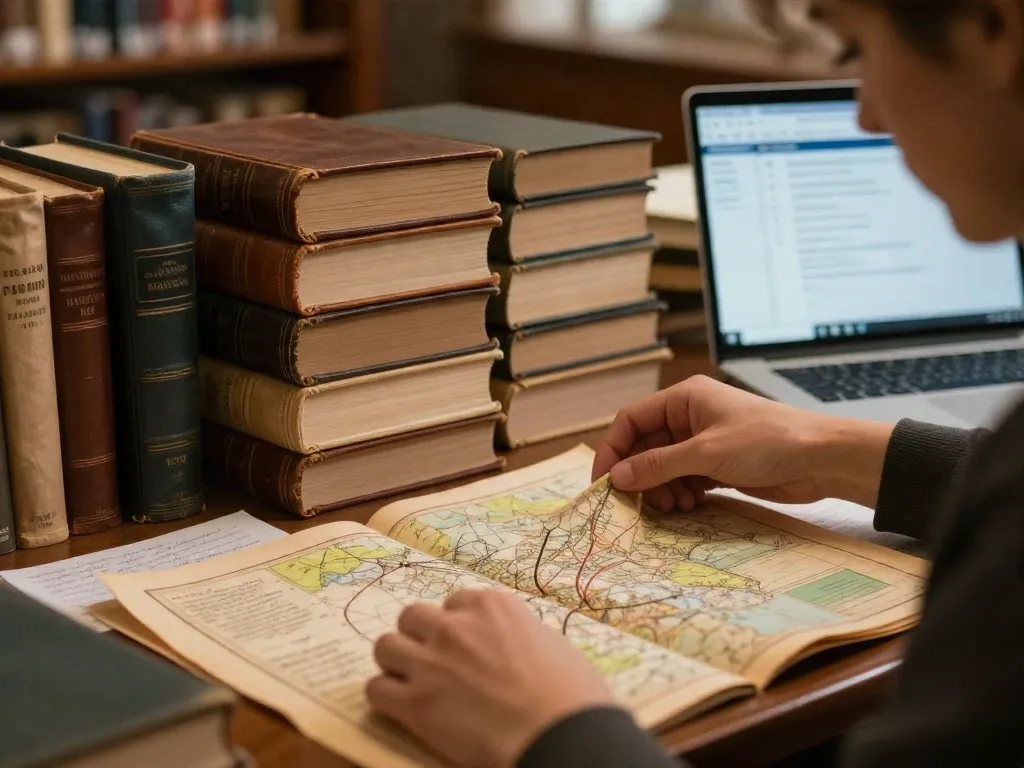
Reference librarians serve as the navigators of the vast ocean of information available in libraries and online databases. Their primary role is to assist patrons in locating and utilizing information effectively. This requires a deep understanding of various information sources, research methodologies, and the ability to curate relevant content tailored to individual needs. Reference librarians are not just information providers; they are skilled researchers equipped with the tools and knowledge to guide users through complex inquiries. Their expertise often spans multiple disciplines, allowing them to address a wide range of topics and requests.
The Importance of Specialized Knowledge
In an era where information is abundant yet often overwhelming, specialized knowledge is paramount for reference librarians. They must be familiar with a variety of research tools and resources, from traditional encyclopedias to niche databases that focus on specific academic fields. For example, a reference librarian working in a university setting may need proficiency in databases like JSTOR for humanities research or PubMed for medical inquiries. This specialized knowledge enables librarians to guide researchers not only to mainstream sources but also to obscure research materials that may not be readily apparent.
How Reference Librarians Stay Informed
To remain effective in their roles, reference librarians engage in continuous professional development. They attend workshops, subscribe to relevant journals, and participate in online courses to enhance their skills and knowledge. Additionally, many librarians belong to professional organizations such as the American Library Association (ALA) or the Special Libraries Association (SLA), which provide resources and networking opportunities. Staying informed about emerging trends in library science and research methodologies allows them to adapt their strategies for locating obscure sources effectively.
Techniques for Discovering Obscure Sources
Utilizing Specialized Databases
One of the primary techniques that reference librarians use to locate obscure research sources is leveraging specialized databases. While general search engines and popular academic databases like Google Scholar and Web of Science are valuable, they often miss niche resources that can be critical for specific research topics. For instance, librarians can access databases such as ERIC for educational research or Scopus for scientific literature. These databases often contain exclusive content that is not indexed by broader platforms, making them invaluable for uncovering hard-to-find materials.
Leveraging Interlibrary Loan Systems
Interlibrary loan (ILL) systems represent a crucial resource for reference librarians aiming to access obscure materials. Libraries often collaborate to share resources, allowing patrons to request items that are not available in their home library. For example, if a researcher requires a rare book or journal article located in a distant institution, the reference librarian can initiate an ILL request. This not only expands the accessibility of obscure sources but also fosters a collaborative network among libraries. According to the American Library Association, nearly 90% of libraries participate in interlibrary loan systems, demonstrating their effectiveness in resource sharing.
Engaging with Professional Networks
Professional networks play a significant role in the discovery of obscure research sources. Reference librarians often participate in forums, listservs, and social media groups tailored to their areas of expertise. For example, platforms like LibraryThing or ResearchGate allow librarians to engage with other professionals, share resources, and discuss strategies for locating rare materials. By tapping into these networks, librarians can gain insights about lesser-known sources and methodologies that may not be widely recognized in their field.
Utilizing Library Catalogs and Archives
Exploring Hidden Collections
Many libraries house hidden collections that are not readily visible in standard catalogs. Reference librarians are trained to explore these collections, which may include archives, special collections, and rare books. For instance, a librarian might discover a collection of primary sources related to a specific historical event that is not listed in the main catalog. By conducting thorough searches and consulting with curators, reference librarians can unearth valuable materials that provide unique perspectives on research topics.
Maximizing the Use of Metadata
Metadata plays a crucial role in the organization and discovery of library resources. Reference librarians utilize metadata to enhance search capabilities and uncover obscure sources. By understanding the intricacies of how metadata is applied to catalog entries and digital collections, librarians can employ advanced search techniques to locate materials that may be buried within extensive databases. They can also utilize tools like WorldCat to search multiple libraries' catalogs simultaneously, increasing the chances of finding less accessible resources.
Identifying Unpublished Materials
Unpublished materials, such as theses, dissertations, and conference papers, often contain valuable insights that are not available in traditional publishing formats. Reference librarians are adept at guiding researchers toward these types of sources. Many universities maintain institutional repositories where unpublished works are archived. For example, a reference librarian may direct a researcher to their institution's repository to access a PhD dissertation that is highly relevant to their work but has not been published in a journal. This resource can significantly enhance the depth and quality of the researcher’s findings.
Collaboration with Subject Matter Experts
Building Relationships with Faculty and Researchers
Collaboration between reference librarians and faculty members or researchers is essential for discovering obscure sources. By building strong relationships, librarians can gain insights into specific research needs and areas of interest. Faculty may be aware of niche resources or databases that are particularly relevant to their field, which can lead librarians to uncover rare materials. For instance, a history professor might recommend a specialized archive that contains documents pertinent to a specific time period, which the librarian can then explore further on behalf of their patrons.
Participating in Academic Conferences
Academic conferences provide reference librarians with opportunities to network and learn about the latest research developments in various fields. By attending these events, librarians can engage with researchers and scholars, gaining firsthand knowledge of emerging trends and obscure sources. For example, a reference librarian attending a conference on environmental science might discover new databases or unpublished studies that could benefit researchers in their institution. This ongoing engagement helps librarians stay current and informed about the resources that might be relevant for their patrons.
Creating Resource Guides in Collaboration
Another effective way for reference librarians to uncover obscure sources is through the creation of resource guides in collaboration with subject matter experts. These guides serve as curated collections of resources tailored to specific topics or research areas. By working closely with faculty and researchers, librarians can identify lesser-known databases, archives, and materials that are particularly relevant. Such resource guides not only assist individual researchers but can also serve as valuable tools for future patrons seeking similar information.
Adapting to Technological Advances
Implementing Digital Tools for Source Discovery
As technology continues to evolve, reference librarians are increasingly utilizing digital tools to enhance their source discovery capabilities. For example, tools like Zotero and Mendeley help librarians manage research materials and citations effectively while also providing access to shared resources among users. Additionally, librarians may leverage advanced search engines and AI-driven tools that can sift through large volumes of data to identify obscure sources quickly. By embracing these technologies, reference librarians can streamline their workflows and improve their ability to assist patrons.
Using Social Media for Research Insights
Social media platforms have become powerful tools for reference librarians to discover and share obscure research sources. By following influential researchers, academic institutions, and relevant hashtags on platforms like Twitter and LinkedIn, librarians can stay updated on the latest research trends and resources. For instance, a librarian might come across a tweet about a newly released dataset that is highly relevant to a patron's inquiry. Engaging with the scholarly community online allows librarians to tap into a wealth of information that may not be disseminated through traditional channels.
Staying Ahead with Emerging Technologies
To effectively locate obscure sources, reference librarians must remain proactive in learning about emerging technologies that impact research. Technologies such as machine learning and data analytics are beginning to reshape how information is organized and accessed. Reference librarians can participate in training sessions and workshops focused on these technologies to understand their implications for research. By doing so, they can enhance their ability to locate obscure sources and provide patrons with cutting-edge information and resources.


Comments
No comments yet.
Leave a comment