
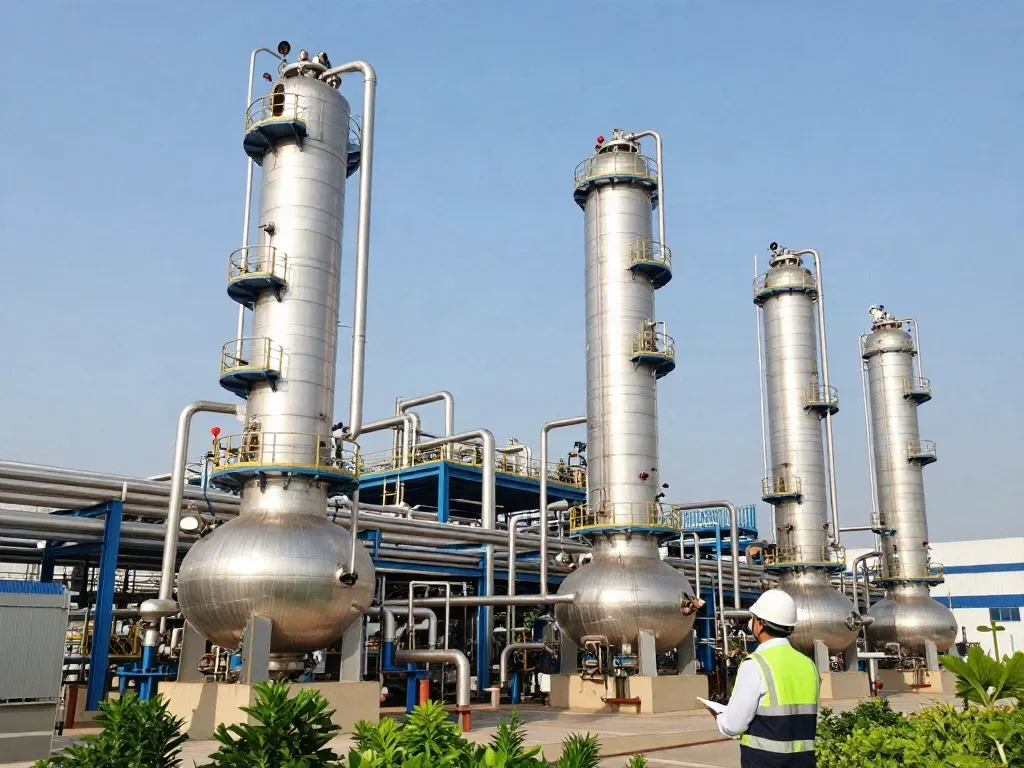
Understanding Runaway Reactions in Chemical Processes

Definition and Characteristics of Runaway Reactions
A runaway reaction occurs in a chemical process when an exothermic reaction accelerates uncontrollably, leading to a rapid increase in temperature and pressure. This phenomenon can result in catastrophic events, such as explosions or the release of harmful substances into the environment. Key characteristics of runaway reactions include:
- Exothermic Nature: The reaction releases more energy than is consumed, causing an increase in temperature.
- Feedback Loops: The heat generated from the reaction increases the reaction rate, creating a feedback loop that can spiral out of control.
- Thermal Runaway: This occurs when the heat produced exceeds the heat lost to the environment, leading to a rapid rise in temperature.
Common Causes of Runaway Reactions
Runaway reactions can be triggered by several factors, including:
- Improper Mixing: Inadequate blending of reactants can lead to localized concentrations that may react violently.
- Temperature Control Failures: Loss of cooling systems or malfunctioning temperature sensors can prevent the effective management of exothermic reactions.
- Contamination: The introduction of foreign substances can alter reaction pathways and kinetics, potentially leading to runaway conditions.
- Equipment Failures: Malfunctioning reactors, pressure relief systems, and safety valves can fail to mitigate the risks associated with runaway reactions.
Impact of Runaway Reactions on Safety and Operations
The consequences of runaway reactions can be severe, affecting both safety and operational efficiency:
- Human Safety: The risk of injury or fatalities among plant personnel is heightened during runaway events.
- Environmental Damage: Accidental releases can lead to environmental contamination, affecting local ecosystems and communities.
- Financial Losses: Downtime, emergency response efforts, and damage to equipment can result in significant financial costs for the plant.
- Reputation: Incidents can tarnish a company’s reputation, leading to diminished trust from stakeholders and regulatory bodies.
Designing Chemical Plants for Safety
Incorporation of Safety Features in Plant Design
Safety features are integral to the design of chemical plants to prevent runaway reactions. These features include:
- Safety Relief Valves: These devices release excess pressure to prevent explosions or equipment rupture.
- Secondary Containment Systems: These systems capture leaks or spills to prevent the spread of hazardous materials.
- Automatic Shutoff Systems: These systems can halt operations if unsafe conditions are detected, preventing escalation.
Material Selection for Enhanced Safety
The selection of materials used in chemical processes can significantly influence safety. Key considerations include:
- Corrosion Resistance: Materials should be resistant to corrosive substances to prevent structural failures.
- Thermal Stability: Choosing materials that can withstand high temperatures without breaking down is critical.
- Non-reactivity: Selecting non-reactive materials helps mitigate the risk of unintended reactions that could lead to runaways.
Layout and Workflow Considerations to Minimize Risk
The physical layout of a chemical plant can facilitate or hinder safety. Effective design strategies include:
- Separation of Hazardous Processes: Keeping processes that involve reactive materials away from one another reduces the likelihood of cross-contamination.
- Clear Access Routes: Ensuring that emergency exits and access for first responders are clearly marked and unobstructed is vital for quick evacuations.
- Controlled Access Areas: Limiting access to high-risk areas through controlled entry points minimizes the number of personnel exposed to potential hazards.
Monitoring and Control Systems
Real-Time Monitoring Technologies
Real-time monitoring systems are essential for detecting early signs of runaway reactions. Technologies utilized in this area include:
- Temperature Sensors: Advanced sensors provide continuous temperature readings, allowing for immediate detection of anomalies.
- Pressure Transmitters: These devices monitor pressure levels within reactors to prevent dangerous accumulations.
- Gas Detection Systems: These systems identify the presence of hazardous gases, enabling timely interventions.
Automated Control Systems and Their Role
Automated control systems enhance safety by regulating process parameters in real-time. They function by:
- Adjusting Cooling Systems: Automatically increasing cooling rates in response to rising temperatures.
- Modulating Reactant Feed Rates: Reducing the input of reactants if conditions deviate from safe operating ranges.
- Executing Emergency Shutdowns: Instantly halting operations when critical thresholds are surpassed.
Data Analysis and Predictive Maintenance Strategies
Utilizing data analytics can significantly improve the safety of chemical plants. Predictive maintenance strategies rely on:
- Historical Data Analysis: Reviewing past incidents to identify patterns that could indicate future risks.
- Machine Learning Algorithms: Algorithms can predict equipment failures based on usage patterns and operating conditions.
- Regular Maintenance Schedules: Implementing data-driven maintenance schedules ensures that equipment is always functioning optimally.
Emergency Response Strategies
Developing Effective Emergency Response Plans
Having robust emergency response plans is crucial for mitigating the impact of runaway reactions. Key components include:
- Incident Response Protocols: Clear guidelines on how to respond to different types of runaway scenarios.
- Evacuation Plans: Well-defined routes and procedures for evacuating personnel safely and efficiently.
- Communication Strategies: Establishing protocols for internal and external communication during an emergency.
Training Personnel for Crisis Situations
Regular training is essential for ensuring that personnel are prepared for crisis situations. Effective training programs include:
- Simulations: Conducting regular drills that simulate runaway reactions and emergency responses.
- Safety Workshops: Ongoing education on safety practices, equipment, and emergency procedures.
- Role-Playing Scenarios: Engaging staff in role-playing exercises to enhance their decision-making skills during emergencies.
Coordination with Local Authorities and First Responders
Effective emergency response requires coordination with local authorities and first responders. This can be achieved by:
- Regular Meetings: Scheduling meetings with local emergency services to discuss plant operations and potential risks.
- Shared Resources: Collaborating on resources and tools that can be utilized during emergencies.
- Community Engagement: Informing the local community about emergency response plans and safety protocols.
Regulatory Compliance and Best Practices
Understanding Industry Regulations and Standards
Compliance with industry regulations is vital for ensuring safety in chemical plants. Important regulations include:
- Occupational Safety and Health Administration (OSHA): OSHA regulations mandate safe working conditions, including the management of hazardous processes.
- Environmental Protection Agency (EPA): EPA regulations focus on preventing environmental contamination from hazardous substances.
- American Institute of Chemical Engineers (AIChE): AIChE provides guidelines for best practices in chemical engineering, particularly concerning safety management.
Continuous Improvement and Auditing Processes
Continuous improvement is essential for maintaining safety standards. This can involve:
- Regular Safety Audits: Conducting periodic audits to identify potential safety gaps and areas for improvement.
- Feedback Mechanisms: Implementing systems for personnel to report safety concerns or suggestions for enhancements.
- Benchmarking Against Best Practices: Analyzing industry leaders to adopt successful safety measures and technologies.
Case Studies of Successful Safety Implementations
Successful implementations of safety measures can offer valuable insights. Notable case studies include:
- BASF's Ludwigshafen Site: Following a 2016 incident, BASF implemented an extensive review of their safety protocols, leading to a 30% reduction in safety incidents over five years.
- DuPont's Safety Management System: DuPont adopted a comprehensive safety management system that emphasizes hazard identification and risk assessment, contributing to a 50% decrease in workplace accidents.

Comments
No comments yet.
Leave a comment