
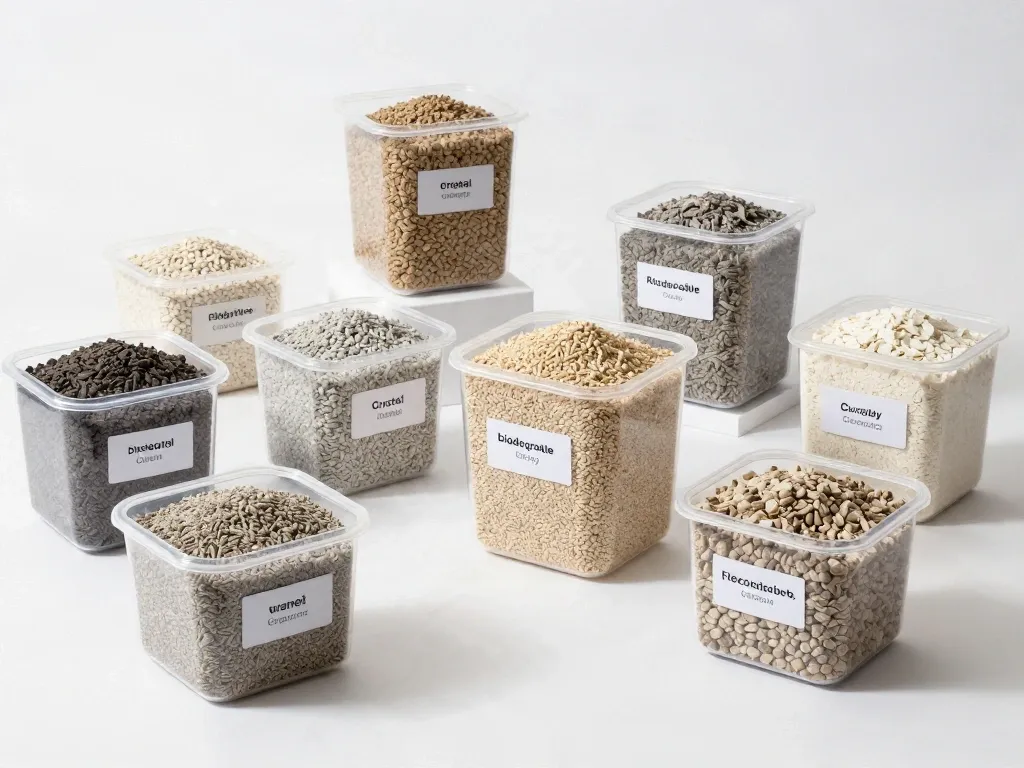
Understanding the Core Ingredients of Cat Litter
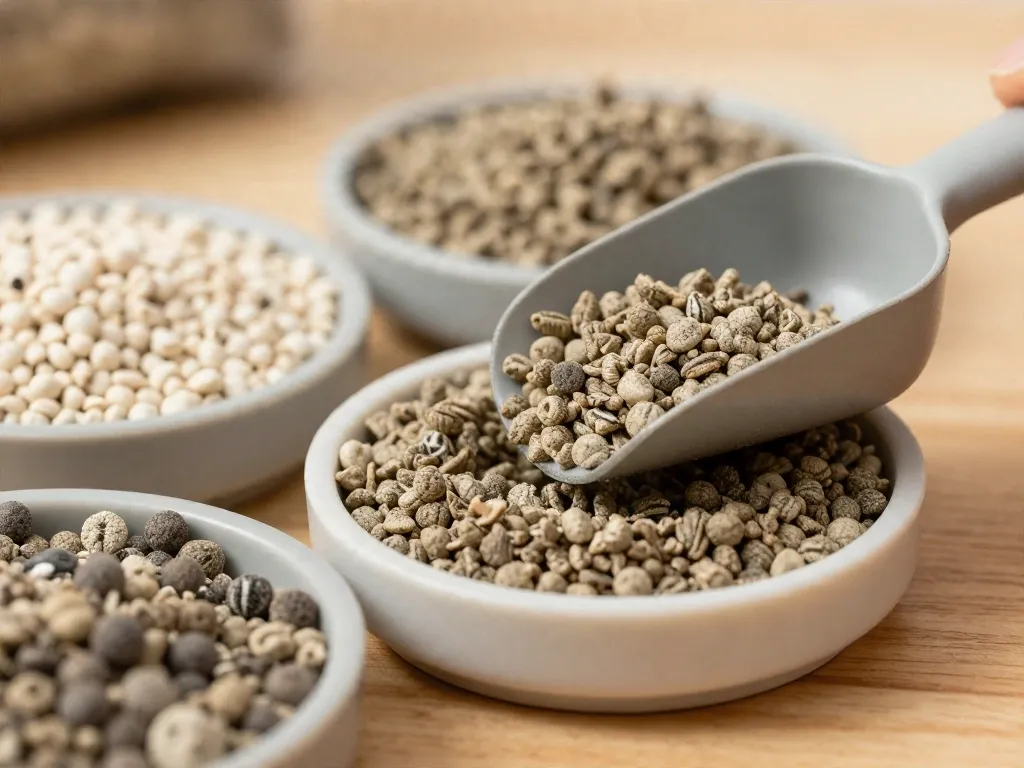
When it comes to choosing cat litter, cat owners are often overwhelmed by the variety of brands available on the market. Each brand promises superior performance, odor control, and absorbency, but how do they differ chemically? Understanding the core ingredients allows pet owners to make informed decisions that benefit both their cats and the environment. This article will delve into the specific chemical components of different cat litter brands, examining how they vary and what that means for cat owners.
Types of Clay Used in Cat Litter
The most common type of cat litter is clay-based, primarily made from sodium bentonite, a natural absorbent clay with unique chemical properties. Sodium bentonite is highly effective at clumping together when wet, making it easy to clean. However, not all clay litters are created equal:
- Clumping Clay: Brands like Tidy Cats and Arm & Hammer use sodium bentonite for its exceptional clumping properties. This type of litter can absorb moisture rapidly due to its high surface area.
- Non-Clumping Clay: Some brands, such as Cat's Pride, utilize calcium bentonite. This variety absorbs moisture but does not clump, resulting in a less convenient cleaning experience.
- Other Clays: Certain products may include kaolin clay, which is less absorbent but is often mixed with other materials to enhance its performance.
Biodegradable Alternatives: What Are They Made Of?
Biodegradable litters have gained popularity due to their environmental friendliness. These litters can be made from a myriad of organic materials, each possessing distinct chemical compositions:
- Wood Pellets: Composed of compressed sawdust, brands like Ökocat use wood pellets that break down into sawdust when wet. The cellulose content provides absorbency and a natural pine scent.
- Paper Products: Litters made from recycled paper, such as Yesterday's News, utilize paper fibers that are highly absorbent due to their porous structure.
- Grain-Based Litters: Some brands use corn, wheat, or other grains as their primary component. For instance, World’s Best Cat Litter is made from whole-kernel corn, which is naturally clumping and has good absorbency.
Fragrance Compounds: Natural vs. Synthetic
Odor control is a significant factor in the selection of cat litter, and brands often incorporate fragrance compounds to mask smells. These fragrances can be either natural or synthetic:
- Natural Fragrances: Brands like PetSafe use natural essential oils derived from plants, which are less likely to irritate sensitive cats but may not provide long-lasting odor control.
- Synthetic Fragrances: Many traditional litters use synthetic chemical fragrances, which can effectively mask odors but sometimes lead to respiratory issues in both cats and humans.
The Role of Absorbency in Cat Litter Chemistry
Absorbency is a critical factor in the effectiveness of cat litter. The ability of a litter to retain moisture and control odors is largely determined by its chemical composition and material structure. Here's how different materials influence absorbency:
How Different Materials Affect Moisture Retention
The moisture retention capabilities of cat litter are influenced by the size and structure of its particles. For example:
- Clay-Based Litters: Sodium bentonite is known for its high absorbency, capable of absorbing moisture up to 3-5 times its weight. This property is primarily due to its layered structure, which allows for rapid moisture absorption.
- Biodegradable Litters: While wood and paper litters can absorb moisture, their rates vary. Wood pellets may absorb less moisture compared to clay but can still perform adequately when properly maintained.
Chemical Interactions and Odor Control
Odor control is not solely dependent on fragrance but also on the chemical interactions occurring within the litter:
- Ammonia Neutralization: Many clumping litters include additives that neutralize ammonia, a by-product of cat urine. For instance, brands may add zeolite or activated charcoal, which chemically binds odors and prevents them from escaping.
- pH Regulation: Certain litters are formulated to maintain a neutral pH, reducing the likelihood of bacterial growth and odor production.
Comparing Absorbency Ratings Across Brands
When comparing absorbency ratings, it's essential to examine specific performance metrics:
- For instance, a 30-day study might show that a brand like Dr. Elsey’s Precious Cat Ultra absorbs up to 7 times its weight in moisture, while a natural litter may only absorb around 2-3 times its weight.
- Such differences can significantly impact the overall effectiveness and user satisfaction of the product.
Impact of pH Levels on Cat Health and Litter Performance
The pH level of cat litter can greatly influence both the health of your cat and the performance of the litter. Understanding these variations is crucial for pet owners:
Understanding pH Variations in Different Litter Types
Different materials have inherent pH levels that can affect litter performance:
- Clay Litters: Sodium bentonite typically has a neutral to slightly alkaline pH, which helps to control odors effectively.
- Biodegradable Litters: Wood and paper litters may have a more acidic pH, which can promote bacterial growth if not maintained properly.
How pH Affects Smell and Bacterial Growth
A litter's pH level can significantly impact odor control and the growth of bacteria:
- A higher pH can lead to ammonia production, which contributes to foul odors. Therefore, litter with a balanced pH helps to minimize these effects.
- Conversely, lower pH levels may help reduce bacterial proliferation, but may not be as effective in odor control.
Choosing the Right pH Level for Your Cat’s Needs
When selecting cat litter, consider your cat’s needs and preferences:
- For cats with urinary issues, a litter with a neutral pH may be beneficial to avoid exacerbating any health problems.
- Monitoring your cat's behavior can also help determine whether the chosen litter meets their comfort and health requirements.
Environmental Considerations in Cat Litter Chemistry
As concerns about environmental sustainability grow, understanding the chemical components of cat litter becomes even more critical:
Chemical Components and Their Environmental Impact
The production and disposal of cat litter can have significant environmental consequences:
- Clay Mining: The extraction of sodium bentonite involves mining, which can lead to habitat destruction and soil erosion.
- Biodegradable Litters: Although they may seem more environmentally friendly, some biodegradable litters still require specific conditions to decompose properly, impacting their overall sustainability.
Recyclability and Biodegradability: A Chemical Perspective
When evaluating litter, consider how recyclable or biodegradable it is:
- Biodegradable litters, such as those made from corn or wood, can decompose within a few months under the right conditions, reducing landfill impact.
- On the other hand, clay-based litters are not biodegradable and can persist in landfills for years, posing long-term environmental challenges.
Consumer Awareness of Chemical Safety in Litter Products
With growing awareness of chemical safety, consumers are increasingly seeking products free from harmful substances:
- Brands that advertise "chemical-free" or "natural" claims should be investigated for transparency regarding their ingredient sources and manufacturing processes.
- Understanding the chemical components helps consumers make safer choices for their pets and the environment.
Labeling and Standards: What to Look For
When purchasing cat litter, understanding the labels and standards can help ensure that you are making an informed choice:
Understanding Ingredient Labels on Cat Litter
Ingredient labels can often be misleading, so it's important to know what to look for:
- Look for specific materials listed, rather than vague terms like "natural clay." This will give you a better understanding of the litter's composition.
- Some brands may use proprietary blends without disclosing their exact ingredients, which can raise red flags about their safety and efficacy.
Regulatory Standards for Cat Litter Chemicals
Regulatory bodies, such as the Environmental Protection Agency (EPA), establish guidelines for chemical safety:
- Ensure that the litter complies with local regulations regarding chemical safety and environmental impact.
- Brands that have undergone independent testing and certification can provide additional assurance of quality and safety.
How to Interpret Claims of "Natural" or "Chemical-Free"
Marketing terms like "natural" or "chemical-free" may not always mean what they imply:
- Natural does not necessarily mean safe; some natural ingredients can be harmful or irritating to cats.
- Always research specific claims and investigate the brand’s ingredient sourcing and manufacturing processes for clarity.
In conclusion, understanding the chemical breakdown of cat litter brands is essential for making informed choices that benefit both cats and their owners. By examining the core ingredients, absorbency, pH levels, environmental impacts, and labeling standards, cat owners can choose a litter that meets their needs while being mindful of their pets' health and the environment.



Comments
No comments yet.
Leave a comment