
The Evolution of Competitive Lego Building
Historical Overview of Lego Competitions
The competitive Lego building community has a rich history that dates back to the late 20th century. While Lego bricks were first introduced in 1949, it wasn't until the 1980s that organized competitions began to emerge. Early events were often small, local contests held in schools or community centers, where children and adults alike could showcase their creativity and building skills. However, these humble beginnings laid the groundwork for a thriving global community.
By the 1990s, the first major national competitions started to surface. The LEGO Group itself organized the first official Lego building competition in 1991, known as the Lego Master Builder Academy. This initiative aimed to elevate building techniques by providing participants with structured challenges and expert guidance. Throughout the 2000s, the landscape of competitive Lego building expanded dramatically, with events such as the Lego World Championships and the introduction of the FIRST Lego League, which combined robotics with Lego building.
Influential Competitions and Their Impact
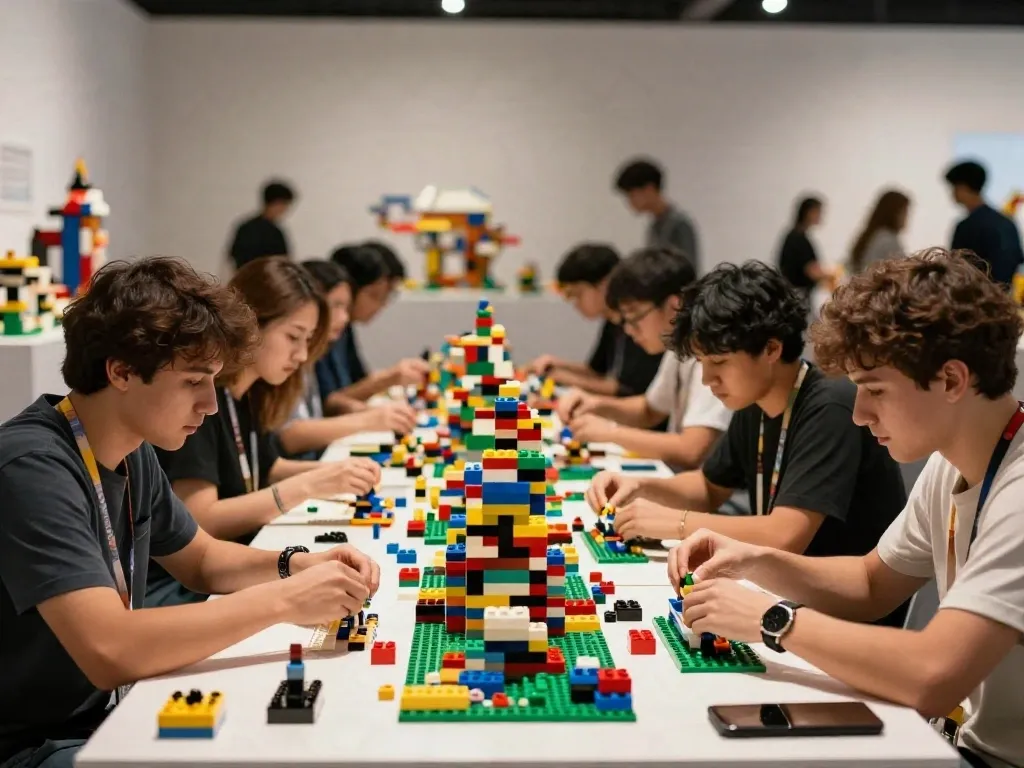
Several competitions have significantly influenced the competitive Lego community. The LEGO World Championship, held periodically since the 1990s, has showcased some of the most talented builders worldwide. This event not only celebrates individual creativity but also fosters a spirit of camaraderie among participants.
Another pivotal competition is the FIRST Lego League, which encourages teamwork and innovation among young builders. This program has expanded globally, with thousands of teams participating annually, promoting STEM education and inspiring the next generation of builders. The impact of these competitions extends beyond the events themselves, as they cultivate a culture of sharing techniques, collaborative building, and mentorship.
Shifts in Community Engagement
In recent years, the way the Lego community engages with competitions has evolved. The rise of social media platforms has enabled builders to share their creations and experiences in real-time, creating a more interconnected community. Online forums and groups on platforms like Reddit and Facebook allow builders to discuss techniques, share tips, and even organize local competitions.
Moreover, the introduction of virtual competitions during the COVID-19 pandemic opened new avenues for participation. These online events allowed builders from different regions to compete without geographical limitations, significantly broadening the community's reach. As a result, the competitive Lego community has become more inclusive, welcoming a diverse range of participants and fostering creativity on a global scale.
Key Players in the Competitive Lego Community
Prominent Builders and Their Contributions
Within the competitive Lego community, several builders have emerged as influential figures. Notable builders like Brian Korte and Jared Burks have made significant contributions through their innovative designs and techniques. Brian Korte, for example, is renowned for his intricate micro-scale models, which have captivated audiences at competitions worldwide. His attention to detail and unique approach to scale modeling have set a benchmark for aspiring builders.
Jared Burks, on the other hand, has made a name for himself with his large-scale themed builds, often incorporating storytelling elements into his designs. His work has inspired countless builders to think beyond traditional structures and embrace narrative-driven creations. These prominent figures play a crucial role in shaping the competitive landscape by sharing their knowledge and pushing the boundaries of what is possible with Lego.
Role of Online Platforms and Social Media
The advent of online platforms and social media has transformed the competitive Lego community. Websites like BrickLink and Brickset serve as valuable resources for builders, offering a marketplace for parts and a database of sets and custom builds. These platforms facilitate collaboration and resource-sharing among builders, enhancing the overall quality of creations.
Social media platforms, particularly Instagram and YouTube, have become vital tools for builders to showcase their work and connect with a broader audience. Building tutorials, speed builds, and competition highlights have gained immense popularity, allowing builders to learn from one another while also promoting their personal brands. Hashtags like #LegoMasters and #LEGOArt have further connected builders, fostering a sense of community and encouraging participation in competitions.
Community Leaders and Organizers
Behind every successful competition is a dedicated group of organizers and community leaders. Organizations like Brickcon and Brickworld have established themselves as leading events in the competitive Lego calendar. These events showcase the best in Lego building while providing a platform for networking and collaboration.
Community leaders, often seasoned builders themselves, play an essential role in mentoring newcomers and guiding them through the competition landscape. They organize workshops, provide feedback on designs, and facilitate connections between builders. Their efforts not only enrich the community but also ensure its continued growth and evolution.
Techniques and Strategies for Success
Building Techniques and Design Principles
Success in competitive Lego building hinges on mastering a variety of techniques and design principles. Builders often focus on specific aspects such as SNOT (Studs Not On Top) techniques, which allow for more intricate and visually appealing designs. Mastery of techniques like these enables builders to create smoother surfaces and complex structures that stand out in competitions.
Additionally, understanding color theory and composition is crucial. Builders who can effectively use color to evoke emotions or tell a story often capture judges' attention. Techniques such as layering, texturing, and creating depth through the strategic placement of bricks can significantly enhance a build's overall appeal.
Time Management During Competitions
Time management is another critical factor that can make or break a builder in competitions. Many events have strict time limits, requiring builders to plan their approach meticulously. Effective time management involves breaking down the building process into manageable segments, setting realistic goals for each phase, and allowing time for revisions and adjustments.
Experienced competitors often create a checklist of essential elements to include in their builds, ensuring they stay on track and avoid last-minute stress. Practicing under timed conditions can also help builders develop a sense of pacing, allowing them to perform better when the pressure is on during competitions.
Collaboration and Team Dynamics
Collaboration is a hallmark of many competitive Lego events, particularly those involving team competitions like the FIRST Lego League. Successful teams understand the importance of leveraging each member's strengths, whether it be design, building, or programming skills. Establishing clear communication and assigning roles based on individual expertise can lead to more cohesive and successful builds.
Team dynamics play a critical role in the overall experience. Building in a supportive and positive environment fosters creativity and encourages risk-taking, which can lead to innovative designs. Teams that embrace collaboration often find that the synergy of multiple perspectives enhances their final creations, making them more competitive in the judging process.
The Role of Themes and Challenges
Popular Themes in Competitions
Thematic challenges are a staple of competitive Lego events, with themes ranging from fantastical realms to real-world scenarios. Popular themes often include space exploration, urban architecture, and historical reenactments. These themes not only inspire creativity but also challenge builders to think outside the box and push their design boundaries.
For example, the Lego Ideas competition encourages builders to create models based on popular culture, leading to remarkable interpretations of movies, video games, and myths. The ability to connect their builds to recognizable themes often increases a builder’s chances of success, as judges appreciate both creativity and relatability.
Unique Challenges and Their Requirements
Many competitions also feature unique challenges that require builders to adhere to specific constraints. These can include limited brick colors, size restrictions, or the incorporation of moving parts. Such challenges test builders' adaptability and problem-solving skills, as they must find innovative solutions within the established parameters.
One notable example is the LEGO Masters TV competition, where contestants face rapid-fire challenges that test their skills under pressure. Each episode features different requirements, such as creating a themed build in a limited timeframe or collaborating with a teammate to construct a cohesive design. These challenges serve as a platform for builders to demonstrate their ingenuity and versatility, making the competition exhilarating for both participants and viewers.
Thematic Innovation and Creativity
Thematic innovation is a driving force in the competitive Lego community. Builders are continually pushing the envelope by exploring unconventional themes or merging different concepts. For instance, some builders have combined Lego building with elements of storytelling, creating immersive experiences that engage viewers on multiple levels.
Additionally, competitions often encourage builders to incorporate modern technology, such as robotics or LED lighting, into their designs. This fusion of traditional building techniques with contemporary elements not only elevates the quality of the builds but also showcases the potential of Lego as a medium for artistic expression.
The Future of Competitive Lego Building
Emerging Trends and Technologies
The competitive Lego community is poised for exciting developments as new trends and technologies emerge. The integration of digital design tools like Lego Digital Designer and Stud.io allows builders to create and visualize their projects before assembling physical models. These tools enhance precision and enable builders to experiment with intricate designs without the constraints of physical limitations.
Furthermore, advancements in 3D printing technology are beginning to influence the community. Builders can create custom pieces that are not available in traditional sets, allowing for greater creativity and personalization in their builds. As these technologies become more accessible, we can expect to see a surge in unique creations that challenge conventional design norms.
Expanding Global Community Engagement
The competitive Lego community continues to grow, with an increasing number of international competitions and events. This expansion fosters collaboration and knowledge-sharing among builders from diverse backgrounds, enriching the overall experience. Events like the World Expo and local conventions bring builders together, creating opportunities for networking and collaboration that transcend geographical boundaries.
Moreover, initiatives to promote Lego building in underserved communities are gaining traction. Programs aimed at introducing Lego building to schools and youth organizations not only foster creativity but also encourage teamwork and problem-solving skills among participants. These efforts contribute to a more inclusive community that values diverse perspectives and talents.
Potential Impact of Virtual Competitions
The rise of virtual competitions has opened new avenues for engagement within the competitive Lego community. Online platforms enable builders to participate in competitions from anywhere in the world, breaking down barriers related to geography and accessibility. Virtual events often incorporate live-streaming, allowing audiences to witness the building process and interact with competitors in real-time.
As virtual competitions become more prevalent, they may redefine the competitive landscape. Builders can form teams across continents and collaborate in ways that were previously unimaginable. Additionally, the flexibility offered by virtual events allows for more frequent competitions, giving builders more opportunities to showcase their skills and creativity.
In conclusion, the world of competitive Lego building is dynamic and continuously evolving. With its rich history, key players, innovative techniques, and emerging trends, the community is poised for a bright future. As builders continue to push the boundaries of creativity and collaboration, the competitive Lego landscape will undoubtedly thrive, inspiring countless individuals to join in the fun of building together.


Comments
No comments yet.
Leave a comment