

Understanding the Basics of Amateur Radio Licensing
What is Amateur Radio?
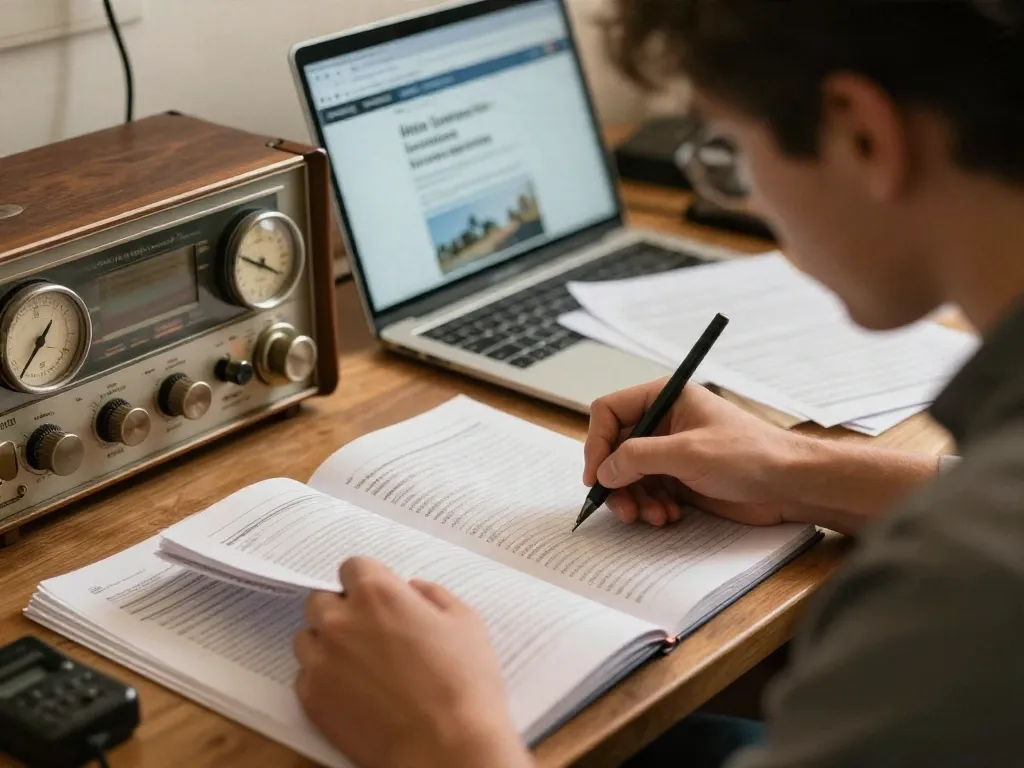
Amateur radio, often referred to as "ham radio," is a popular hobby that allows individuals to communicate with others across the globe using radio frequency technology. It encompasses a wide range of activities, from casual conversations to emergency communications and technical experimentation. Hams can connect with fellow enthusiasts, participate in contests, or support community service efforts during emergencies, making it both a fun and meaningful pastime.
Importance of Licensing
Licensing is a fundamental aspect of amateur radio. In many countries, including the United States, operating radio equipment without a license is illegal. The licensing system ensures that operators understand the technical and operational aspects of radio communications, including rules and regulations, safety guidelines, and proper frequency usage. Obtaining a license not only legitimizes your operations but also enhances your skills and knowledge as a radio operator.
Overview of License Classes
In the U.S., the Federal Communications Commission (FCC) offers three main classes of amateur radio licenses:
- Technician Class: This is the entry-level license, allowing access to VHF and UHF bands. It is an excellent starting point for new hams.
- General Class: The General license provides access to a broader range of frequencies, including HF bands, and requires a deeper understanding of radio theory.
- Extra Class: This is the highest level of amateur radio license, offering full privileges across all bands and modes. It requires passing a more comprehensive exam.
Navigating the Licensing Process
Steps to Apply for a License
The process of obtaining an amateur radio license is straightforward. Here are the primary steps:
- Study: Familiarize yourself with the material related to your chosen license class.
- Take the Exam: Find a local testing session to take the necessary exam.
- Submit Your Application: Once you pass, your exam session will submit your application to the FCC.
- Receive Your License: After processing, you’ll receive your call sign and license via mail or electronically.
Choosing the Right License Class
Choosing a license class depends on your interests and goals in amateur radio. If you are a complete beginner, the Technician Class is the most appropriate option as it covers fundamental concepts and allows you to start operating quickly. If you are more serious about expanding your communication capabilities, consider studying for the General Class exam. Remember, each higher class builds upon the knowledge of the previous one, so start with what feels comfortable.
Required Documentation and Fees
The required documentation to apply for an amateur radio license typically includes:
- A valid form of identification (e.g., driver's license or passport)
- FRN (FCC Registration Number), which can be obtained online
As for fees, the exam usually costs around $15, and the FCC does not require a fee for the initial application. However, upgrading to a higher license class may incur additional costs depending on the exam session you choose.
Study Resources for First-Time Applicants
Books and Online Courses
There are numerous resources available for study. Some recommended books include:
- The ARRL Ham Radio License Manual: This comprehensive guide is designed specifically for aspiring hams.
- Ham Radio for Dummies: A user-friendly introduction to the hobby, covering basics and exam preparation.
Online courses are also an effective way to study, with platforms like HamStudy.org and QRZ.com providing interactive learning experiences.
Local Radio Clubs and Mentorship
Joining a local amateur radio club can greatly enhance your learning experience. Clubs often offer study sessions, mentorship, and opportunities to connect with experienced operators. For example, the American Radio Relay League (ARRL) has a network of affiliated clubs across the country, making it easy to find support in your area.
Practice Exams and Study Guides
Practice exams are invaluable for gauging your readiness for the real test. Websites like QRZ.com and HamStudy.org provide free practice questions and exams that mirror the actual test format. Additionally, consider using study guides that include practice questions to help reinforce your knowledge.
Preparing for the License Exam
Exam Format and Content
The amateur radio license exam consists of multiple-choice questions, with the number of questions varying by license class. For the Technician Class, there are 35 questions, while the General and Extra classes have 35 and 50 questions, respectively. Questions cover topics such as:
- Basic radio principles
- Operating regulations
- Radio wave propagation
- Safety procedures
Effective Study Techniques
To effectively prepare for your exam, consider the following study techniques:
- Consistent Study Schedule: Dedicate specific times each week to study.
- Flashcards: Create flashcards for key terms and concepts to reinforce memory.
- Group Study: Join or form a study group to discuss topics and share knowledge.
Time Management and Test Day Tips
On test day, arrive early to avoid any last-minute stress. Make sure to bring your identification and FRN. During the exam, manage your time by pacing yourself—don’t spend too long on any one question. If unsure, move on and return if time permits.
Post-Licensing: Next Steps for New Hams
Choosing Your First Equipment
Once you receive your license, it’s time to choose your first amateur radio equipment. For beginners, a handheld transceiver (HT) like the Baofeng UV-5R is a popular choice due to its affordability and versatility. As you progress, consider investing in a mobile radio or a base station for more extensive communication capabilities.
Joining the Amateur Radio Community
Engaging with the amateur radio community is vital for growth and enjoyment of the hobby. Participate in local club meetings, online forums, and social media groups dedicated to amateur radio. This interaction provides opportunities for learning, collaboration, and making lifelong friendships.
Continuing Education and Upgrading Your License
As you become more experienced, consider continuing your education by studying for the General or Extra Class licenses. Many resources are available, and upgrading your license opens up more frequencies and modes of communication, enhancing your amateur radio experience.

Comments
No comments yet.
Leave a comment